Middle East crisis live: US launches new wave of strikes on Iran; Tehran says attacks render diplomacy ‘futile’
The US has launched a new wave of strikes on Iran, with Tehran saying the attacks have rendered diplomacy 'futile'. Iran has sought to establish a permanent system for collecting fees in the strait of Hormuz and warned vessels not to sail without its authorisation.
Intelligence analysis by Llama
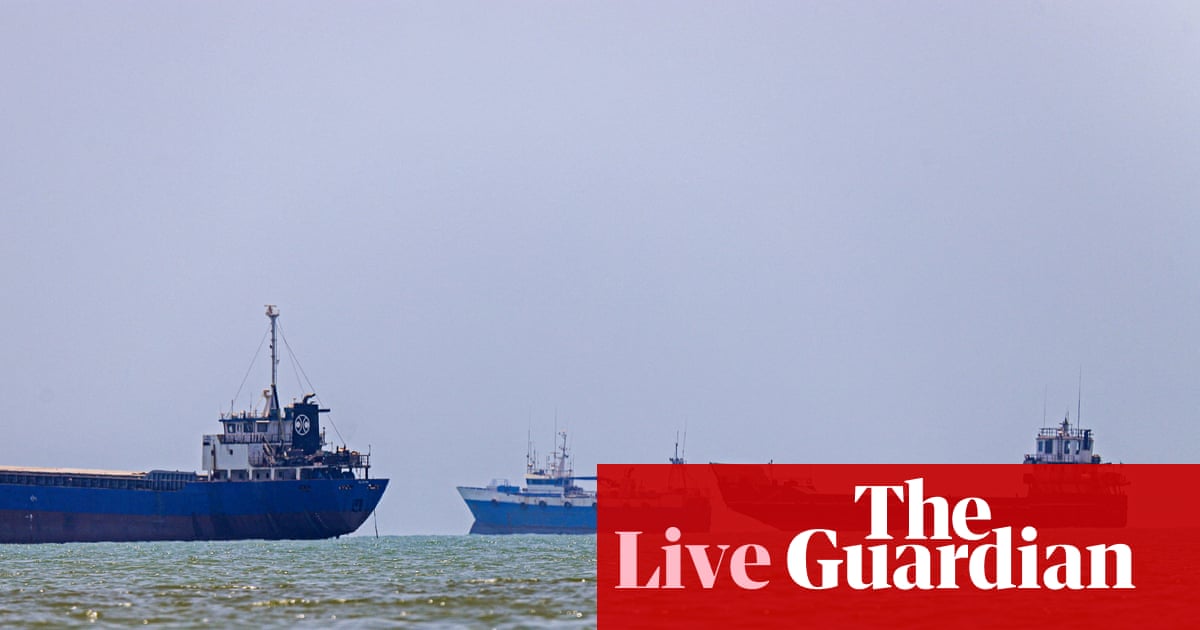
The US has launched a new wave of strikes on Iran, with Tehran saying the attacks have rendered diplomacy 'futile'. Iran has sought to establish a permanent system for collecting fees in the strait of Hormuz and warned vessels not to sail without its authorisation. The renewed fighting has cast further doubt on the future of an interim US-Iranian agreement signed last month.
Imagine you're playing a game of chess with your friend, but your friend keeps moving the pieces around and changing the rules. That's kind of what's happening between the US and Iran. The US is trying to control a important waterway called the strait of Hormuz, but Iran is trying to stop them. It's a very complicated situation, but basically, the US and Iran are having a big disagreement about who gets to control the strait.
Analysis
A New Era of Escalation
The recent wave of strikes by the US on Iran marks a significant escalation in the conflict between the two nations. The attacks have resulted in widespread damage and casualties, with Iran's foreign ministry condemning the 'aggressive' US actions. The renewed fighting has cast further doubt on the future of an interim US-Iranian agreement signed last month, which aimed to reopen the strait of Hormuz and end the war after a further 60 days of negotiations.
The Strait of Hormuz: A Key Lever for Iran
Control of the strait of Hormuz has become a key leverage point for Iran, with an adviser to the country's supreme leader saying it was more important than 'dozens of atomic bombs'. The strait is a vital waterway for international commercial shipping, and Iran's efforts to establish a permanent system for collecting fees have been met with resistance from the US. The US military has stated that it will continue to ensure freedom of navigation in the strait, despite Iran's claims that it controls the waterway.
The Future of Diplomacy
The renewed violence has raised concerns about the future of diplomacy between the US and Iran. The two nations have been engaged in ceasefire talks, but the recent attacks have made it increasingly difficult to reach a resolution. Iran's foreign ministry has stated that the latest attacks have 'rendered futile' all the diplomatic efforts of the last few months. The US and Iran have exchanged heavy missile and drone assaults, with Tehran targeting US facilities in states across the Gulf and saying it had again closed the vital strait of Hormuz.
Key points
- The US has launched a new wave of strikes on Iran, with Tehran saying the attacks have rendered diplomacy 'futile'.
- Iran has sought to establish a permanent system for collecting fees in the strait of Hormuz and warned vessels not to sail without its authorisation.
- The renewed fighting has cast further doubt on the future of an interim US-Iranian agreement signed last month.
- The US and Iran have exchanged heavy missile and drone assaults, with Tehran targeting US facilities in states across the Gulf and saying it had again closed the vital strait of Hormuz.
- Iran's foreign ministry has condemned the 'aggressive' US actions and stated that the latest attacks have 'rendered futile' all the diplomatic efforts of the last few months.
If the US and Iran can reach a resolution to their conflict, it could lead to a more stable and secure region. The interim US-Iranian agreement signed last month aimed to reopen the strait of Hormuz and end the war after a further 60 days of negotiations. If the two nations can work together, it could lead to a more peaceful and prosperous future for the region.
The renewed violence between the US and Iran has raised concerns about the future of diplomacy between the two nations. The conflict has significant implications for global trade and security, particularly in the Middle East. If the US and Iran cannot reach a resolution, it could lead to further instability and conflict in the region.

