Minister tells social media firms to take down dangerous driving content in wake of fatal A66 crash in Middlesbrough – UK politics live
The UK government has instructed social media companies to remove content glorifying dangerous driving, following a fatal A66 crash in Middlesbrough that killed seven people.
Intelligence analysis by Gemini 2.5 Flash
Following a tragic collision on the A66 near Middlesbrough, which reportedly involved individuals linked to filming dangerous driving videos for TikTok, the UK government has issued a stern warning to social media platforms. Defence Minister Luke Pollard stated that platforms must remove such content or face compulsory action under the Online Safety Act, emphasizing the need for a saf…
Imagine there's a big rulebook for the internet, and the grown-ups in charge are telling the companies that run places like TikTok to take down videos where people drive cars in a really silly and dangerous way. This is because a very sad car crash happened where people got hurt, and some of the people involved might have been making these kinds of videos. The government wants the internet to be a safe place, just like how your parents want you to play safely, and they're saying if the companies don't clean up these videos, they'll make them do it with a special law.
Analysis
The recent fatal crash on the A66 near Middlesbrough has brought the issue of dangerous driving content on social media platforms to the forefront of UK political discourse. This tragic incident, which claimed the lives of two police officers and five others, has been linked by reports to young men involved in filming and sharing reckless driving videos on platforms like TikTok. The government's swift response underscores a growing impatience with the self-regulation claims of tech giants, particularly when public safety is at stake. The incident serves as a stark reminder of the tangible, devastating consequences that online content can have in the physical world, prompting calls for more robust and immediate action from both platforms and regulators.
A66 Crash
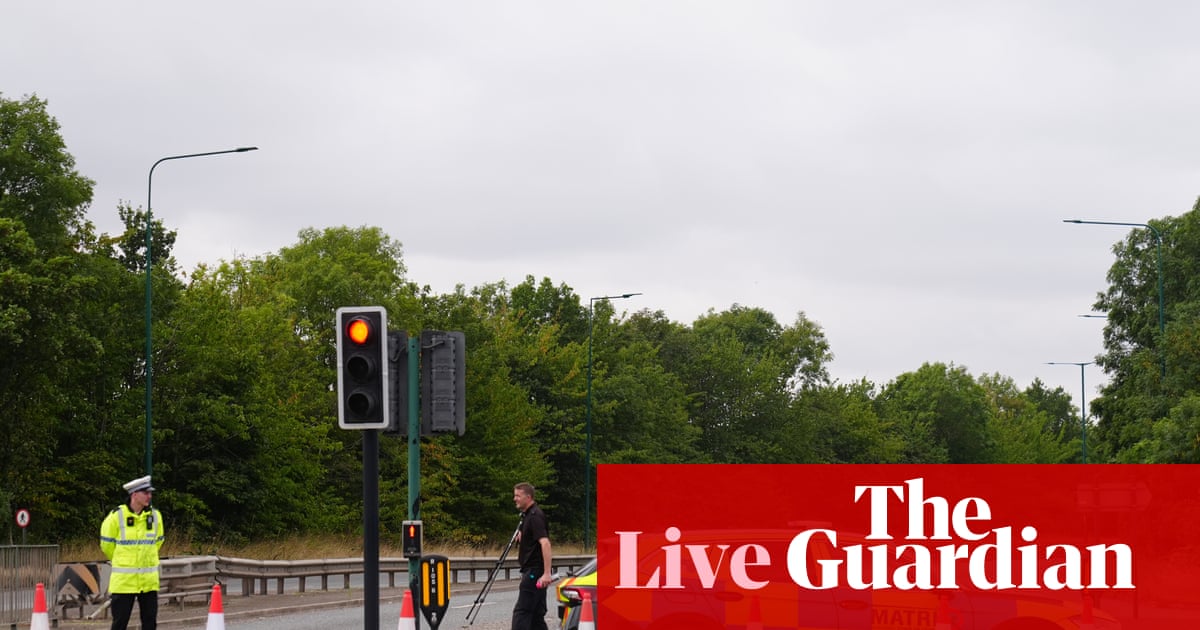
The collision on the A66 dual carriageway near Middlesbrough on a Saturday morning was particularly horrific, involving a car travelling the wrong way and crashing into a police vehicle. Seven individuals lost their lives in this incident, which has sent shockwaves across the community and the nation. Reports quickly emerged suggesting that at least one of the young men who died had been involved in creating and sharing dangerous driving content on social media platforms. This alleged connection has intensified the debate around the responsibility of social media companies in curating content that might inspire or glorify life-threatening behaviors, directly linking online activity to real-world tragedy.
Luke Pollard
Defence Minister Luke Pollard has been a key voice in the government's response, explicitly calling on social media platforms to take down content that celebrates dangerous driving. Speaking to BBC Radio 5 Live, Pollard articulated the government's position, stating that they have communicated directly with platforms hosting such content. He stressed the importance of platforms stepping up to police themselves, arguing that this situation presents a crucial opportunity for them to demonstrate their commitment to online safety. Pollard's remarks highlight the government's expectation that platforms will act proactively, rather than waiting for regulatory compulsion, to address content that poses a clear risk to public well-being.
Online Safety Act
The government's stance is backed by the looming threat of the Online Safety Act, a powerful piece of legislation designed to compel social media companies to remove harmful content. Luke Pollard explicitly warned that if platforms fail to remove content glorifying dangerous driving, the government will not hesitate to use the powers granted under this Act. This legislative leverage provides a significant tool for the government to enforce its demands, moving beyond mere requests to potential legal obligations. The issue has also gained prominence due to similar concerns in Ireland, where a fatal M9 crash involving five teenagers driving the wrong way on a motorway was also linked to social media 'likes,' further illustrating a broader, international challenge in regulating online content that encourages dangerous real-world actions.
Key points
- The UK government has demanded social media firms remove content glorifying dangerous driving.
- This demand follows a fatal A66 crash in Middlesbrough that killed seven people, including two police officers.
- Reports suggest some victims of the crash were involved in filming dangerous driving videos for TikTok.
- Defence Minister Luke Pollard warned that the government would use powers under the Online Safety Act if platforms fail to comply.
- Similar concerns about dangerous driving content and social media have arisen in Ireland after a fatal M9 crash.
If social media firms comply swiftly and effectively, it could lead to a significant reduction in dangerous driving content online, potentially preventing future tragedies and fostering a safer digital environment. This proactive response could also demonstrate the efficacy of the Online Safety Act in compelling platforms to uphold public safety standards.
Social media companies might resist or implement changes slowly, allowing dangerous content to persist and potentially contribute to further incidents. This could necessitate more stringent government intervention, potentially sparking debates over the balance between online regulation and freedom of expression.