More than 16,000 refugees unable to reunite with families in UK, says Refugee Council
Over 16,000 refugees are unable to reunite with their families in the UK due to the suspension of the family reunion route, forcing many into dangerous journeys or leaving them in conflict zones.
Intelligence analysis by Gemini 2.5 Flash Lite
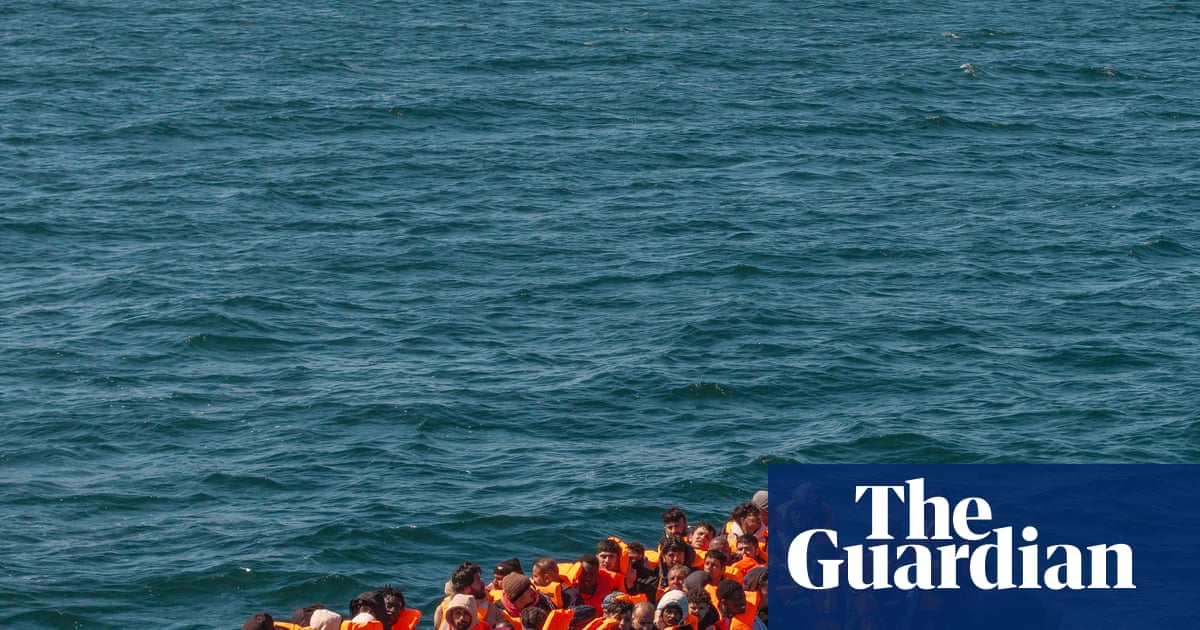
The UK's suspension of its refugee family reunion route since September has prevented over 16,000 individuals, predominantly women and children, from joining their relatives. This has led to increased reliance on people smugglers and dangerous crossings, as existing safe routes are insufficient.
Imagine you have a best friend who had to move far away because their home wasn't safe. The UK used to have a special way for your friend's family to come join them safely. But now, that way is closed, and over 16,000 families can't be together, making them try dangerous trips or stay in unsafe places.
Analysis
Suspension of a Lifeline
The UK government's decision to suspend the refugee family reunion route in September has had a profound and immediate impact, leaving an estimated 16,300 individuals barred from seeking safety with their loved ones. This route, which previously allowed those granted refugee status to bring immediate family members like spouses and children under 18 to the UK, has been a critical lifeline for families fractured by war and persecution. The Refugee Council's analysis, based on Home Office data, indicates that nine out of ten individuals affected by this suspension are women and children, with the figures including approximately 9,273 children and 5,835 women. The indefinite nature of this suspension, initially indicated to last only until spring, has amplified the distress of those separated, with no clear timeline for its resumption.
Desperation and Dangerous Alternatives
The suspension has directly contributed to a rise in desperation, pushing refugees into the hands of people smugglers and forcing them to undertake perilous journeys, such as crossing the English Channel in small boats. The article highlights the harrowing reality faced by refugees, with one individual sharing her anguish over her husband being trapped in Iran due to the ban. She recounts how, had their asylum case been processed faster, her husband could have joined them before the suspension. This situation underscores the ethical dilemma: while the government aims to reform asylum systems, the current measures are perceived by many as a violation of human rights, cruelly tearing families apart and eroding hope. The Refugee Council emphasizes that safe and legal routes save lives, and the current policy is driving vulnerable individuals, fleeing devastating wars and brutal regimes, towards extreme risks.
Insufficient Alternatives and Stricter Criteria
While the government points to new safe and legal routes, such as community sponsorship, these initiatives appear to be insufficient to address the scale of the problem. Home Office sources suggest that the community sponsorship scheme, operating for a decade, has only brought about 1,000 individuals to the UK, primarily family units, meaning only a small fraction of families have benefited annually. New schemes are expected to bring refugees in the 'low hundreds' initially. Furthermore, the government has indicated that under its reforms, family reunion will no longer be automatic, and stricter criteria will be imposed. This suggests a future where even fewer family members may be able to reunite, potentially exacerbating the challenges faced by refugees seeking safety and reunification in the UK.
Key points
- Over 16,000 refugees are unable to reunite with their families in the UK due to a suspended family reunion route.
- The suspension, in place since September, primarily affects women and children, with over 9,000 children barred from joining relatives.
- Refugees are being forced into dangerous journeys or remaining in conflict zones as a result of the suspended route.
- Existing safe and legal routes, including community sponsorship, are insufficient to meet the demand.
- The government plans to introduce stricter criteria for family reunion in the future.
The government's commitment to announcing new safe and legal routes in the autumn, alongside community sponsorship, could offer alternative pathways for some refugees. If these new routes are effectively implemented and expanded, they might eventually provide some families with the opportunity to reunite, albeit under potentially stricter criteria.
The indefinite suspension of the family reunion route, coupled with the introduction of stricter criteria for future family reunification, risks leaving thousands of refugees in limbo. This could lead to continued reliance on dangerous irregular routes and people smugglers, further endangering vulnerable individuals, particularly women and children.