Morning update
The Middle East sees escalating tensions with an Israeli military operation near Hebron, Houthi missile attacks on Saudi Arabia, and US President Trump threatening further action against Iran. Meanwhile, an oil spill has closed UAE beaches.
Intelligence analysis by Gemini 2.5 Flash

A morning update reveals a volatile Middle East, marked by a deadly Israeli military response to an attack in the occupied West Bank, continued Houthi missile assaults on Saudi cities, and a direct threat from US President Trump regarding Iran. These security concerns are compounded by an environmental incident in the UAE.
Imagine the Middle East is like a big neighborhood where some neighbors are having arguments. Today, we heard that in one part, soldiers stopped some bad guys after people got hurt. In another part, rockets were fired at a big city, and the army shot them down, but sadly, some people were hurt in another town. The leader of a big country also said they might hit another country even harder. And to top it off, some beaches had to close because of a messy oil spill. It's a busy and a bit scary day in the neighborhood.
Analysis
Hebron
The occupied West Bank remains a flashpoint, as evidenced by the Israeli military's report of killing two individuals suspected of carrying out an attack near Hebron. This incident reportedly resulted in injuries to six Israeli settlers, with two in critical condition, underscoring the persistent and violent cycle of conflict in the territory. Such events frequently trigger retaliatory actions and further exacerbate tensions between Israeli forces, settlers, and Palestinian residents.
The immediate aftermath of such attacks often involves heightened security operations and restrictions on movement, impacting the daily lives of Palestinians. The incident near Hebron is not isolated but rather part of a broader pattern of violence that has seen a significant increase in recent years, contributing to a climate of fear and instability across the West Bank. This continuous friction makes any prospects for de-escalation or a political resolution increasingly challenging.
Houthis
The ongoing conflict between the Saudi-led coalition and Yemen's Houthis continues to destabilize the Arabian Peninsula, with direct implications for regional events. Saudi Arabia's decision to postpone the United Nations Global Data Forum and the Second Saudi Statistical Forum in Riyadh to 2027 directly links to the "escalation due to the ongoing fighting with Yemen's Houthis." This postponement highlights how the conflict's security risks can disrupt international gatherings and economic initiatives.
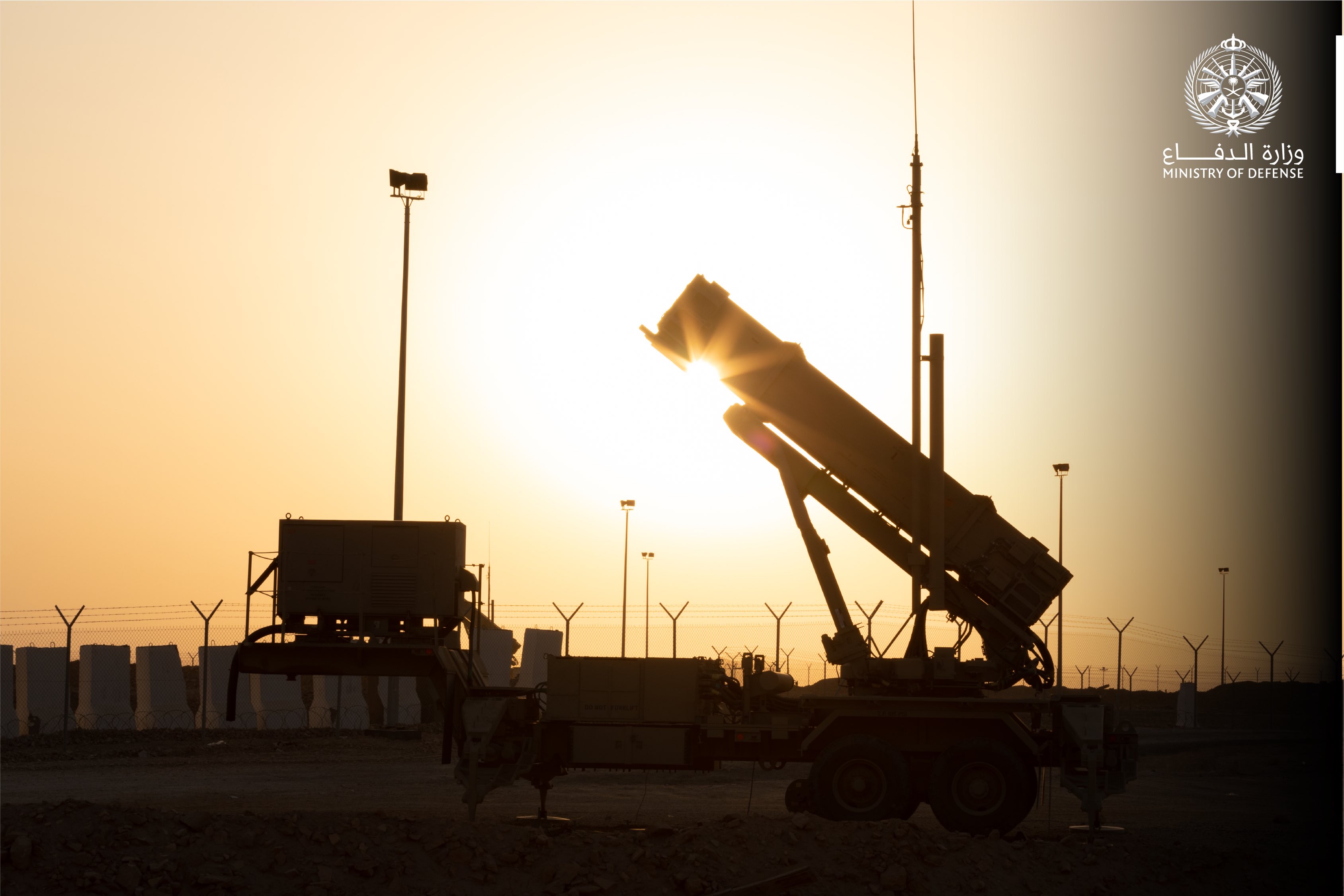
Further illustrating the intensity of the conflict, Saudi Arabia's civil defense issued early warning alerts in Riyadh and Najran, following ballistic missile launches by the Houthis. The Saudi-led coalition claimed to have intercepted and destroyed these missiles, showcasing the persistent threat posed by Houthi capabilities. However, the human cost of this conflict was also highlighted by reports of Saudi strikes on a residential home in the Taiz governorate, which killed one citizen and injured four others, some critically, according to the Sanaa-based Ministry of Health and Environment. This tragic outcome underscores the devastating impact of the protracted war on Yemeni civilians.
Trump
US President Donald Trump's assertive rhetoric regarding Iran signals a potential for further escalation in an already volatile region. His statement, suggesting that Washington "may do it a little bit further" after having "knocked the hell out of them," reflects a continued hawkish stance towards Tehran. Such declarations from a major global power carry significant weight and can heighten geopolitical anxieties, potentially leading to miscalculations or unintended consequences.
The backdrop to these threats is a long history of strained relations between the US and Iran, often characterized by sanctions, proxy conflicts, and military posturing. Trump's comments could embolden regional adversaries of Iran or provoke a stronger response from Tehran, further complicating efforts to maintain stability in the Gulf. Separately, the UAE faced an environmental challenge with the temporary closure of beaches and coastal areas in Umm Al Quwain due to an oil spill from a tanker. This incident, while distinct from the geopolitical tensions, highlights the vulnerability of the region's vital maritime environment and economy to industrial accidents, urging authorities to enforce strict environmental protocols and emergency response measures.
Key points
- Israeli military killed two suspects near Hebron after an attack injured six settlers.
- Saudi Arabia postponed a UN data forum due to escalating conflict with Yemen's Houthis.
- Saudi-led coalition intercepted Houthi ballistic missiles targeting Riyadh; Saudi strikes killed and injured civilians in Taiz.
- US President Donald Trump suggested the US might launch further attacks against Iran.
- The UAE temporarily closed beaches in Umm Al Quwain following an oil spill from a tanker.
The continued cycle of violence in the West Bank, the ongoing Saudi-Houthi conflict, and explicit threats against Iran by a major global power suggest a high risk of further regional escalation, increased civilian casualties, and potential broader geopolitical instability. The oil spill also poses an immediate environmental and economic threat.
Market signals
- OIL Escalating regional conflicts, particularly the Saudi-Houthi fighting and US threats against Iran, increase supply-route risks and geopolitical premiums on oil prices.
- XAU Increased geopolitical instability and threats of military action in the Middle East typically drive safe-haven demand for gold.
AI-generated analysis of potential market relevance. Not financial advice.