Mountain collapses into river in Nepal, terrifying video captures chaos
Nepal is grappling with a new wave of climate-linked disasters, including mountain collapses, floods, and landslides, which have killed at least 21 people and left five missing.
Intelligence analysis by Gemini 2.5 Flash
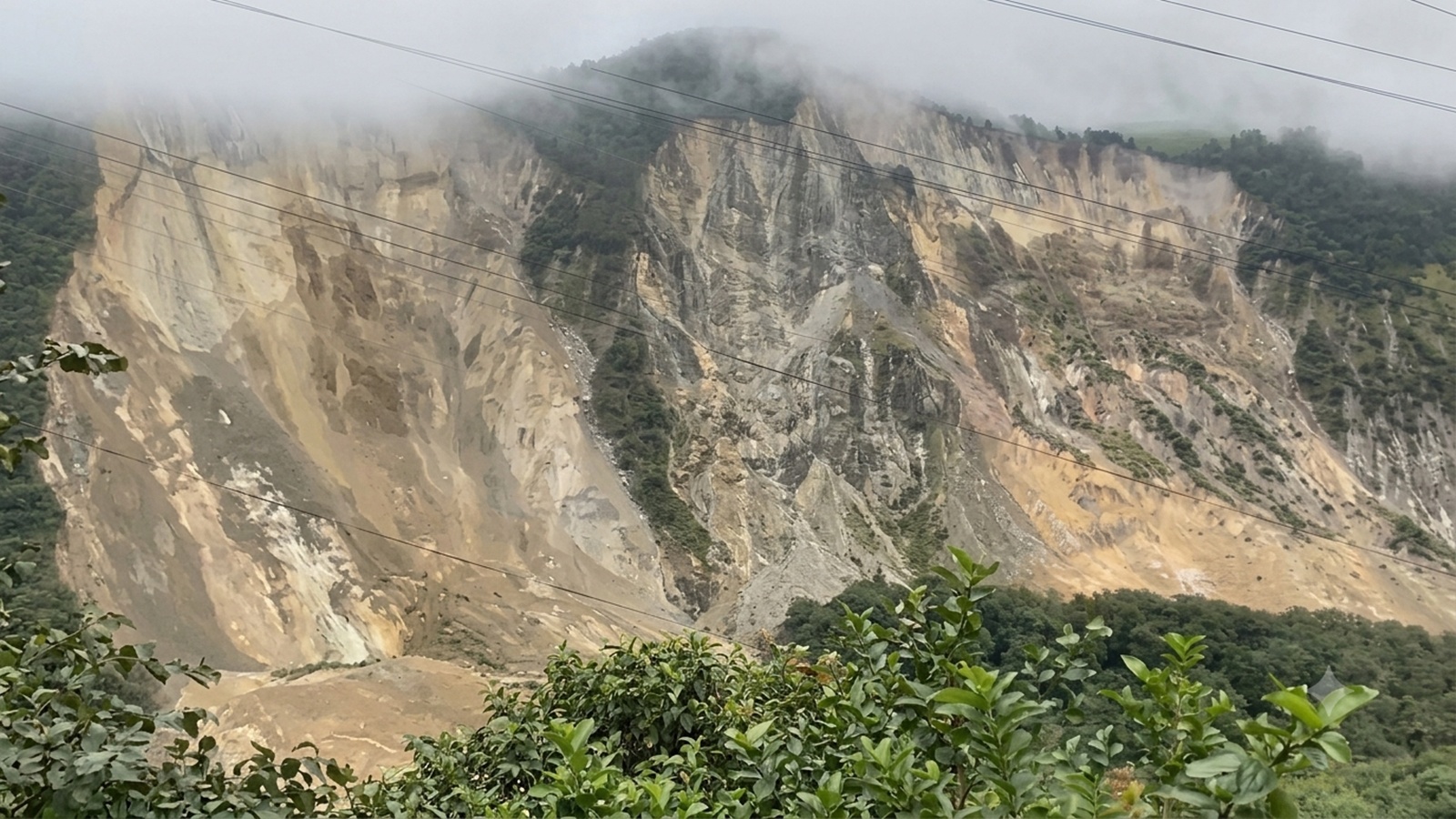
Following a devastating flash flood a month prior, Nepal is once again facing severe climate-linked events. Torrential rainfall has triggered widespread landslides and floods, leading to significant casualties, destruction of homes, and disruption of normal life across several districts.
Imagine a giant sandcastle by a river, and it rains super, super hard. Suddenly, a big chunk of the sandcastle collapses into the water, making the river overflow and causing a mess. That's kind of what happened in Nepal: parts of mountains fell into rivers because of heavy rain, causing floods and burying homes, making it very dangerous for people.
Analysis
Nepal continues to experience a series of severe climate-linked disasters, highlighting the country's vulnerability to extreme weather events. These recent incidents, occurring just a month after previous devastating floods, underscore a recurring pattern of environmental challenges that pose significant threats to human life and infrastructure.
Baglung district
The Baglung district has been particularly hard-hit by the recent landslides, with Nepal Police reporting that houses were buried in areas including Tamankhola, Nisikhola Rural Municipality, and Tarakhola Rural Municipality. These events have resulted in at least 10 fatalities and one person missing specifically within Baglung, indicating the localized intensity of the disaster. Rescue and search operations are actively underway, coordinated by various agencies, as authorities work to assess the full extent of the damage and locate missing individuals. The destruction of physical structures further exacerbates the humanitarian crisis in these rural areas.
Marsyangdi River
A critical development involved the blockage of the Marsyangdi River in Chame village, triggered by a flood and landslide in the Ghatte Khola river. This blockage led to the formation of a temporary lake, prompting authorities to evacuate residents from Chame Bazar and surrounding areas to ensure their safety. Fortunately, Chief District Officer Mukti Prasad Khanal reported a significant drop in the lake's level, approximately one meter lower than the previous day, allowing the river to flow more freely. This natural alleviation provided a measure of relief to the concerned residents, though the initial threat was substantial.
Himlung Himal
Further compounding the crisis, an avalanche struck Himlung Himal, a 7,126-meter summit located in the Nar Phu region of Nepal's Manang district. This incident resulted in the recovery of at least four bodies, with mountain climbers and support personnel among the missing. Out of 22 Nepali citizens who had set out to establish Himlung Base Camp, 12 initially lost contact, underscoring the inherent dangers of mountaineering in the region, especially amidst unstable weather conditions. The ongoing search efforts highlight the perilous environment faced by both residents and adventurers in Nepal's mountainous terrain.
Key points
- At least 21 people have died and five are missing due to recent floods and landslides in Nepal.
- Terrifying videos show mountains collapsing in the Baglung district, where 10 deaths and one missing person were reported.
- A flood and landslide blocked the Marsyangdi River, forming a temporary lake in Chame village, though its level has since dropped.
- An avalanche on Himlung Himal, a 7,126-meter summit, led to the recovery of four bodies, with climbers and support personnel among the missing.
- Nearly 250 families have been affected, with 260 homes completely destroyed and 80 partially damaged across the country.
In a positive development, the lake formed by the blocked Marsyangdi River has dropped by about one meter, easing immediate concerns for residents in Chame village. Rescue and search operations are actively continuing in affected areas, indicating ongoing efforts to mitigate the disaster's impact and assist those affected.
The recurring nature of these climate-linked disasters, with significant casualties and widespread destruction of homes, points to Nepal's ongoing vulnerability. The country faces a challenging recovery period and the persistent threat of future extreme weather events, demanding robust long-term disaster preparedness and climate resilience strategies.