M'sia eatery customer apparently pulls out 6 to 7 chest hairs & puts it on food, refuses to pay
A customer at a Penang restaurant was allegedly caught on CCTV pulling out his own chest hairs and placing them into his food before complaining about the hairs and refusing to pay the RM30 bill. The restaurant manager grew suspicious due to the dry nature of the hairs an…
Intelligence analysis by Gemini 2.5 Flash
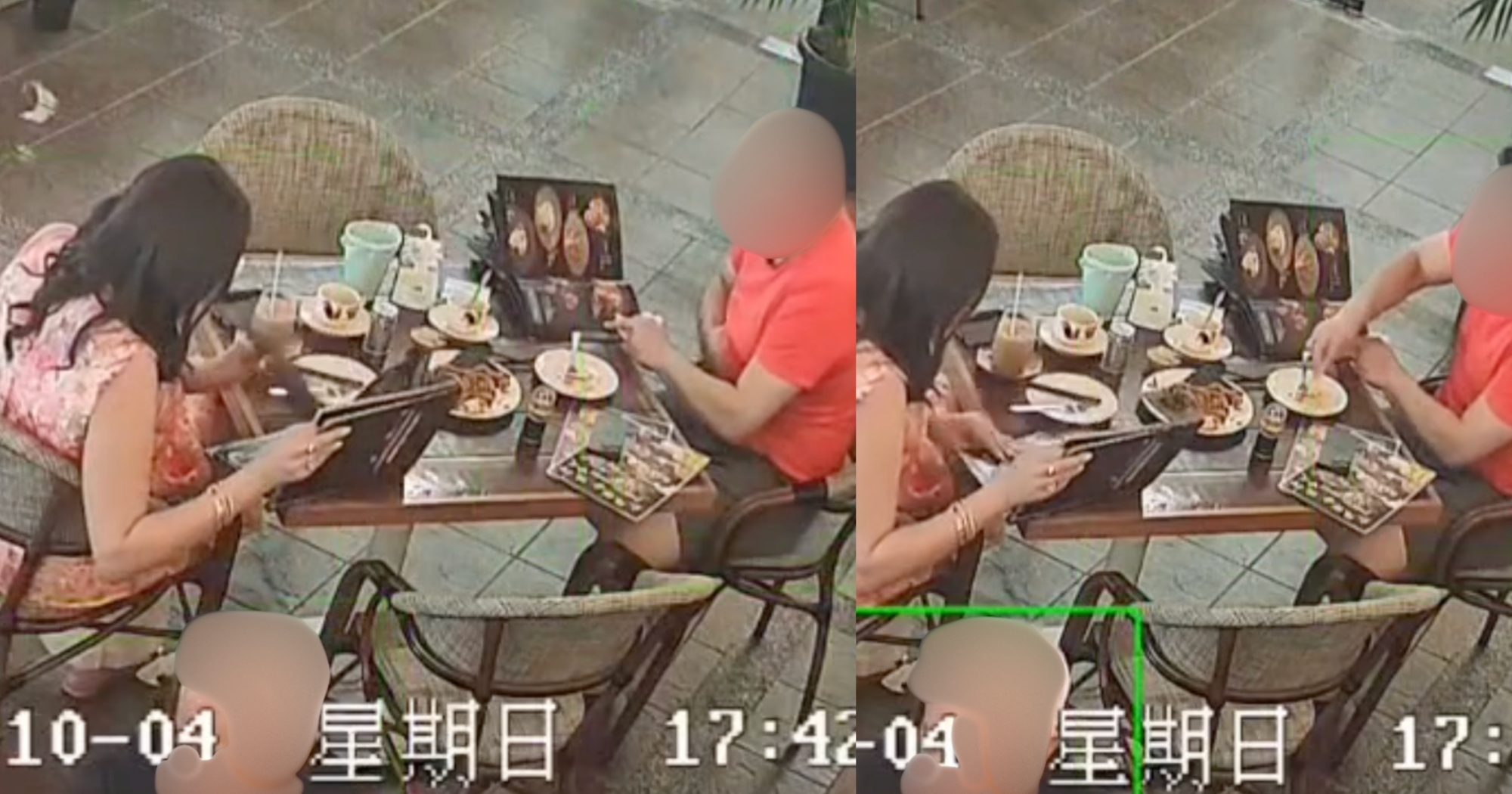
An incident in Penang, Malaysia, saw a restaurant customer accused of deliberately contaminating his food with his own chest hairs to avoid paying the bill. The restaurant manager's quick thinking and review of CCTV footage exposed the alleged deception, highlighting a bizarre attempt at dine-and-dash.
Imagine a grown-up went to a restaurant and ordered some yummy noodles. When it was time to pay, he said, "Eww, there are hairs in my food, so I won't pay!" But the restaurant boss looked closely and saw the hairs were dry, not oily like the noodles. So, he checked the secret cameras and saw the man actually pulled hairs from his own chest and put them in his food! He tried to trick them to get free food.
Analysis
Penang Incident
The bizarre incident unfolded at a restaurant in Penang, Malaysia, on October 4, 2026, involving a customer who allegedly resorted to an unusual tactic to avoid paying his bill. The man, accompanied by a partner, reportedly ordered kuey teow, eggs, and a drink after their initial choice of fried chicken was unavailable. This seemingly ordinary dining experience quickly escalated when the customer complained about finding hairs in his food, specifically the kuey teow.
The location of the event, Penang, is a well-known culinary hub, making such an incident particularly jarring for its reputation. Restaurants in popular food destinations often rely heavily on customer satisfaction and word-of-mouth, and any perceived hygiene issue, even a fabricated one, can have disproportionate impacts. The alleged act of self-contamination represents a significant challenge to the trust inherent in the dining experience.
Manager Zheng's Vigilance
The restaurant manager, identified as Zheng, played a crucial role in uncovering the alleged deception. Upon receiving the customer's complaint about hairs in the kuey teow, Zheng conducted an initial inspection that immediately raised his suspicions. He observed that the six to seven short hairs found in the food were dry, a detail that contradicted what he would expect if they had been cooked with the oily fried kuey teow. This keen observation was the first indicator that something was amiss.
Zheng's decision to review the restaurant's CCTV footage after the couple left proved to be the decisive step. The surveillance video reportedly showed the man repeatedly reaching into his clothes, appearing to pluck out chest hairs and then placing them into his meal. This proactive use of technology by Zheng not only exposed the alleged fraud but also provided concrete evidence of the customer's actions, which is vital for any potential recourse or warning to other businesses.
The RM30 Dispute
The core of the conflict revolved around a relatively small sum, approximately RM30, which translates to about S$9.38. Despite the modest amount, the customer vehemently refused to pay, questioning the quality of the food after his complaint. This refusal to settle the bill, coupled with the alleged act of sabotage, highlights a brazen attempt to dine and dash under false pretenses.
The financial impact of such incidents, while individually small, can accumulate for businesses, especially smaller eateries. Beyond the direct loss of RM30, there's the potential damage to reputation if the complaint were taken at face value, and the time and effort expended by the manager to investigate. Zheng's subsequent action of sharing the CCTV footage with other operators underscores a community effort to prevent similar fraudulent acts, protecting the collective interests of local businesses against such dishonest patrons.
Key points
- A customer in Penang, Malaysia, allegedly placed his own chest hairs into his food to avoid paying the bill.
- The restaurant manager, Zheng, became suspicious due to the dry nature of the hairs found in the kuey teow.
- CCTV footage reportedly showed the man pulling hairs from his chest and putting them into his meal.
- The customer refused to pay the RM30 (S$9.38) bill, citing the food's "quality."
- The manager shared the footage with other operators to warn them about the couple.
This incident, while negative, could prompt other F&B businesses to review and enhance their surveillance systems and staff training for handling customer complaints. Increased vigilance and the sharing of information among operators, as demonstrated by Manager Zheng, could deter similar fraudulent attempts in the future, fostering a more secure dining environment.
The ease with which a customer allegedly attempted to defraud a business using such a method suggests that other dishonest individuals might try similar tactics, potentially leading to increased losses for F&B establishments. Without widespread awareness and robust countermeasures, restaurants could face a rise in fraudulent complaints, impacting their profitability and reputation.