Myanmar and Laos plan downstream Mekong’s biggest dam yet
Myanmar and Laos have agreed to a joint feasibility study for a 2,790-megawatt hydropower project on the Mekong River, which would be the largest mainstream dam outside China. Critics suggest the study is more a political move by Myanmar than a genuine power plan.
Intelligence analysis by Gemini 2.5 Flash
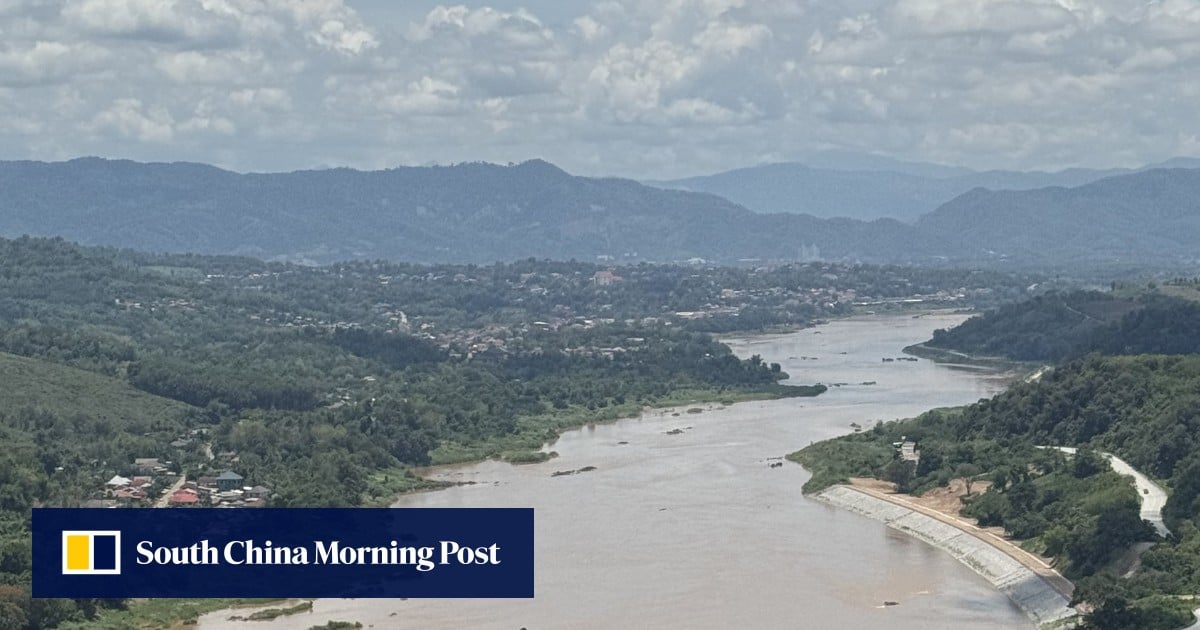
The proposed mega dam on the Mekong, situated at the Myanmar-Laos border, aims to boost energy security and renewable goals for both nations. However, analysts view the feasibility study, agreed upon during a state visit, as a strategic political maneuver by Myanmar to enhance its international legitimacy rather than a firm commitment to the project's construction.
Imagine the Mekong River is like a giant water slide for countries. Myanmar and Laos are planning to build the biggest water park ride (a huge dam) on their part of the slide, outside of where China has already built many big rides. They say it's for power and friendship, but some grown-ups think it's more about Myanmar trying to look like a good neighbor after some trouble at home.
Analysis
A Controversial Mekong Undertaking
Myanmar and Laos have embarked on a joint feasibility study for a massive 2,790-megawatt hydropower project on the Mekong River, a development that has caught regional observers by surprise. This proposed dam, if constructed, would represent the largest mainstream hydropower project on the Mekong outside of China, signaling a significant shift in the energy landscape of Southeast Asia. The agreement for the 34-month study was formalized during a state visit by Myanmar President Min Aung Hlaing to Vientiane, highlighting the high-level political backing for the initiative. Officials from both countries have framed the project as a crucial step towards strengthening energy security and advancing renewable energy objectives across the broader region. They also emphasized its symbolic importance as a testament to the growing friendship between Myanmar and Laos. However, the announcement has been met with skepticism from some analysts who question the true motivations behind the ambitious plan.
Political Motivations and Regional Dynamics
Brian Eyler, director of the Southeast Asia programme at the Stimson Centre, described the dam announcement as a "total surprise," suggesting that its primary purpose might be more political than practical. Eyler posits that the initiative is "part of Myanmar’s new push to look like a legitimate government," implying that the feasibility study itself serves as a diplomatic tool for the military junta to project an image of international cooperation and stability amidst its ongoing internal conflicts and isolation. The Mekong River is a highly contested waterway, with numerous dams already built or planned, particularly upstream in China. The introduction of another mega-dam project downstream, even if only in the study phase, adds another layer of complexity to the already intricate regional water governance issues. It raises questions about environmental impact, downstream communities, and the potential for increased tensions among riparian states, including China, which has significant interests and infrastructure along the river.
Implications for Mekong Governance and China's Influence
While the article highlights the project's location "outside China," the sheer scale of the proposed dam inevitably draws comparisons to China's extensive hydropower development on the Mekong. China has long been a dominant player in Mekong River development, with numerous large dams upstream that significantly impact water flow and sediment distribution for downstream nations. This new project, if it proceeds, could either challenge or complement China's existing influence, depending on the nature of its development and operation. The feasibility study itself, regardless of the dam's ultimate construction, represents a significant diplomatic engagement between Myanmar and Laos. It underscores the ongoing efforts by regional states to assert their own energy independence and development agendas, even as they navigate the broader geopolitical landscape dominated by larger powers. The outcome of this study and the subsequent decisions will be closely watched by environmental groups, regional governments, and international bodies concerned with the sustainable management of the Mekong River basin.
Key points
- Myanmar and Laos are conducting a joint feasibility study for a 2,790-megawatt hydropower project on the Mekong River.
- This proposed dam would be the largest on the Mekong mainstream outside of China.
- The agreement was made during Myanmar President Min Aung Hlaing's state visit to Vientiane on July 4.
- Officials claim the project will enhance energy security and support renewable energy goals.
- Analysts, like Brian Eyler of the Stimson Centre, view the study as a political move by Myanmar to appear more legitimate.
If the project proceeds responsibly, it could genuinely bolster energy security for Myanmar and Laos, providing a significant source of renewable hydropower. This could support economic development and reduce reliance on fossil fuels, aligning with regional clean energy goals and fostering stronger bilateral ties between the two nations.
Critics fear the dam's feasibility study is primarily a political stunt by Myanmar to gain legitimacy, meaning the project might never materialize or could face significant delays. If built, such a large dam could have severe environmental consequences for the Mekong, impacting fish migration, sediment flow, and the livelihoods of millions of downstream communities, potentially exacerbating regional water disputes.