Neel Kashkari, Minneapolis Fed president and CEO, on
Neel Kashkari, President and CEO of the Federal Reserve Bank of Minneapolis, discussed the US debt level and its potential impact on the economy in an interview with Margaret Brennan on Face the Nation. He noted that Treasury yields are high, but not historically high, an…
Intelligence analysis by Llama
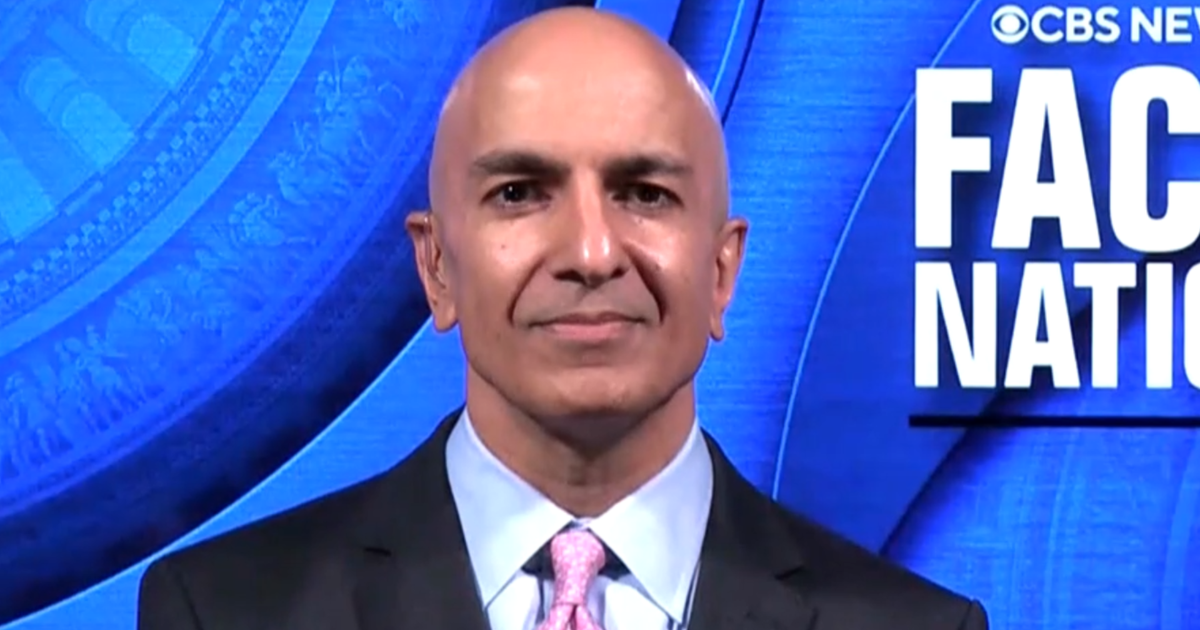
Neel Kashkari, President and CEO of the Federal Reserve Bank of Minneapolis, discussed the US debt level and its potential impact on the economy in an interview with Margaret Brennan on Face the Nation. He noted that Treasury yields are high, but not historically high, and that the Fed's job is to manage inflation, not the debt market. He also mentioned that the bond market is catchin…
Imagine you have a big jar of cookies, and you want to make sure you have enough cookies for everyone. But, if you keep adding more cookies to the jar without taking any out, it will eventually get too full and start to spill over. That's kind of like what's happening with the US debt level. The government is adding more debt to the economy without taking any out, and it's starting to get too high. Neel Kashkari, the President and CEO of the Federal Reserve Bank of Minneapolis, is trying to help manage this situation by making sure inflation stays under control.
Analysis
Treasury Yields and the US Debt Level
Neel Kashkari, President and CEO of the Federal Reserve Bank of Minneapolis, recently discussed the US debt level and its potential impact on the economy in an interview with Margaret Brennan on Face the Nation. One of the key points he made was that Treasury yields are high, but not historically high. He noted that the 10-year Treasury yield is currently around 4.7%, which is high relative to recent history, but not high relative to longer American history. In the early 2000s, the 10-year Treasury and the 30-year Treasury were around these levels, and in the 90s, they were meaningfully higher than they are now.
Kashkari emphasized that there are many different factors that go into setting Treasury yields, including inflation, the outlook for inflation, AI investment, government borrowing, and economic growth. He also mentioned that the bond market is catching up to the stock market, and that there are many different ways that you could see bond yields go up globally.
The Role of the Federal Reserve
Kashkari noted that the Fed's job is to manage inflation, not the debt market. He emphasized that the Fed's role is to take care of the inflation piece of it, and that the Treasury Department is responsible for managing the debt market. He also mentioned that the Fed's job is to take whatever the Treasury decides to do and put that into their forecast of the economy, and then their job is to take that and get inflation back down to their 2% target and achieve their dual mandate goals.
The Importance of Fiscal Policy
Kashkari emphasized that ultimately, it's up to the fiscal actors, including the Treasury and the executive branch working with Congress, to design a fiscal package that can change the debt trajectory and put it on a sustainable path. He noted that the Congressional Budget Office makes forecasts of debt and deficits for decades out into the future, and that many Fed leaders have said for a long time that the debt trajectory is on an unsustainable path.
The Impact of Market Activity
Kashkari noted that the current market activity and level of concern in the markets is not likely to make his job harder when it comes to making decisions or cause the Fed to intervene. He emphasized that there's every indication that the US Treasury market is functioning as it should, with trades taking place and liquidity in the market, which enables the Fed to focus on the federal funds rate as their primary policy tool to get inflation back down.
Key points
- Treasury yields are high, but not historically high.
- The Fed's job is to manage inflation, not the debt market.
- The bond market is catching up to the stock market.
- The government needs to come up with a plan to reduce the debt level.
- The Fed's primary policy tool is the federal funds rate.
If the government can come up with a plan to reduce the debt level, it could lead to a more stable economy and lower interest rates. This could make it easier for people to borrow money and invest in the economy, leading to more growth and job creation.
If the government is unable to reduce the debt level, it could lead to a decrease in investor confidence and a rise in interest rates. This could make it harder for people to borrow money and invest in the economy, leading to slower growth and job losses.