Niger takes back control of its uranium despite the risk of international arbitration
Niger has reallocated uranium exploitation permits previously held by Orano and Goviex to two public companies, accelerating its mining sovereignty policy amidst ongoing international arbitration risks.
Intelligence analysis by Gemini 2.5 Flash
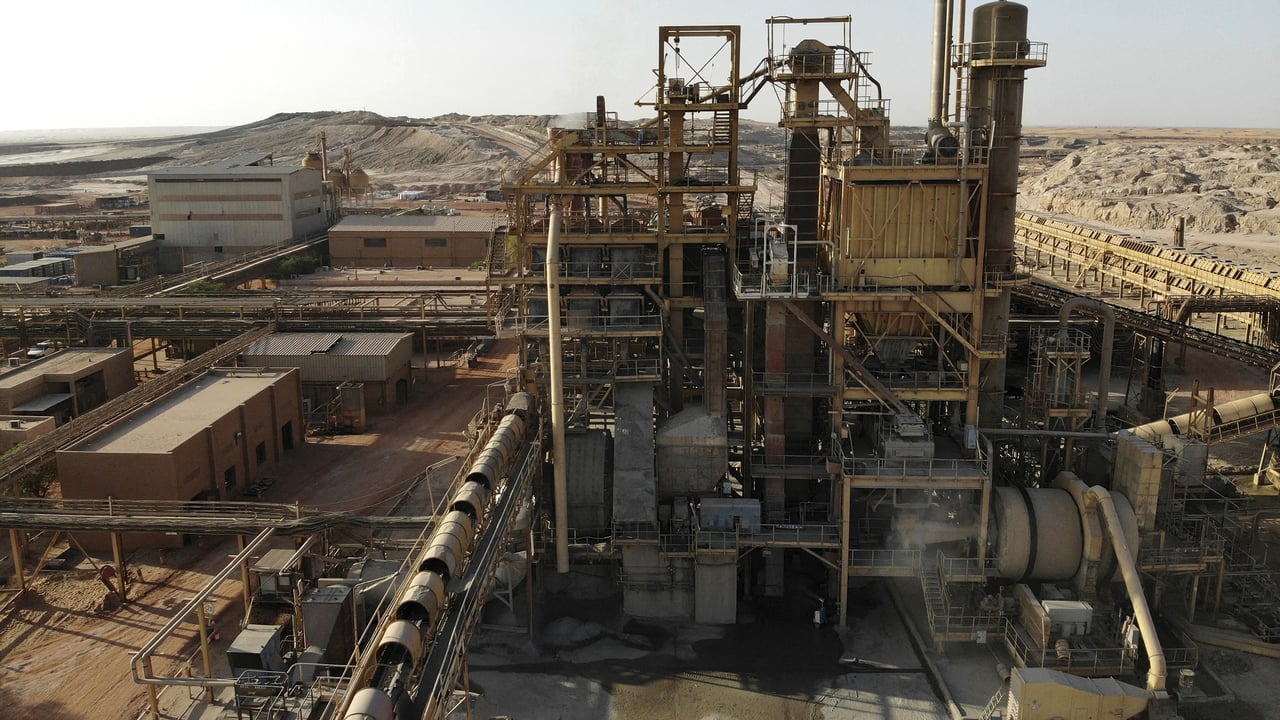
Niger's military government, led by General Abdourahamane Tiani, is asserting greater control over its uranium resources by transferring key exploitation permits from foreign entities like Orano to state-owned companies. This move, part of a broader push for mining sovereignty, carries the significant risk of international legal disputes and arbitration.
Imagine Niger, a country with lots of special rocks called uranium, used to let big foreign companies dig them up. Now, the new government wants its own companies to do it instead, like taking back your toys. This might make the old companies unhappy and they could go to court, but Niger wants to control its own valuable rocks.
Analysis
Niger's recent decision to reallocate uranium exploitation permits marks a significant escalation in its pursuit of mining sovereignty. This move, spearheaded by the military government under General Abdourahamane Tiani, reflects a broader trend among African nations to assert greater control over their natural resources, often challenging long-standing agreements with foreign companies. The immediate impact is the transfer of the In Azaoua perimeter's exploitation rights from Orano's subsidiary, Somaïr, to the state-owned Teloua Safeguarding Uranium Mining Company (Tsumco). This action is not isolated, as Orano's Akouta mine had already ceased production in March 2021, indicating a gradual shift in Niger's resource management strategy.
Abdourahamane Tiani
General Abdourahamane Tiani, as the head of Niger's Council of Ministers, is the driving force behind this assertive policy. His government's decision on August 21 to reassign the In Azaoua permit underscores a clear intent to nationalize key sectors of the economy, particularly mining. This aligns with a broader political agenda focused on strengthening national control and reducing reliance on foreign entities for strategic resources. The move signals a departure from previous resource management paradigms, where foreign companies often held significant sway over extraction and export.
The military government's actions are likely motivated by a desire to capture a larger share of the profits from uranium mining, which is a critical export for Niger. By placing these operations under state control, Niamey aims to ensure that the economic benefits directly contribute to national development rather than primarily enriching foreign shareholders. This approach, while potentially popular domestically, introduces considerable geopolitical and economic risks, particularly concerning international legal frameworks and investor confidence.
Orano
Orano, the French nuclear fuel cycle company, is directly impacted by Niger's new policy. Its subsidiary, Somaïr, previously held the exploitation rights for the In Azaoua perimeter, and the company had also operated the Akouta mine until its closure in March 2021. The reallocation of permits represents a significant blow to Orano's long-standing presence and investments in Niger, a country historically vital for France's nuclear energy supply. This situation highlights the evolving dynamics between former colonial powers and resource-rich African nations.
The article explicitly mentions that these decisions are being made "while several arbitration procedures are still ongoing." This indicates that Orano, or other affected foreign entities, have already initiated legal challenges against Niger's government. Such international arbitration cases can be protracted and costly, potentially leading to substantial compensation demands if Niger is found to have breached existing contracts or international investment treaties. The outcome of these arbitrations will set a precedent for future resource nationalization efforts in the region.
In Azaoua
The In Azaoua perimeter, located near Arlit in the Agadez region, is a key uranium mining area. Its transfer from Somaïr to Tsumco is a symbolic and practical step in Niger's quest for mining sovereignty. This specific site represents a tangible asset that the government is bringing under direct national management. The strategic importance of In Azaoua lies in its potential to contribute significantly to Niger's uranium output, thereby bolstering the country's economic independence.
The decision to reassign this particular permit demonstrates the government's focus on critical resource areas. By targeting such a prominent site, Niger sends a clear message about its commitment to controlling its mineral wealth. The success of Tsumco in managing and exploiting In Azaoua will be a crucial test for Niger's capacity to independently operate its mining sector effectively and profitably, especially in the face of potential technical and financial challenges that previously relied on foreign expertise and capital.
Key points
- Niger's Council of Ministers reallocated uranium exploitation permits to public companies.
- The In Azaoua perimeter, previously held by Orano's Somaïr, was given to Tsumco.
- This action is part of Niger's broader policy of mining sovereignty.
- The decisions are being made while several international arbitration procedures are ongoing.
- Orano's Akouta mine ceased production in March 2021.
If successful, Niger's move could lead to greater national revenue from uranium exploitation, allowing the government to invest more in public services and economic development, thereby improving living standards for its citizens.
The risk of international arbitration could result in costly legal battles and significant financial penalties for Niger, potentially deterring future foreign investment and hindering the country's economic stability.
Market signals
- U Niger's move to nationalize uranium permits could disrupt supply, potentially driving up global uranium prices.
AI-generated analysis of potential market relevance. Not financial advice.