Oil and gas prices jump on Middle East shipping attacks, sending bond yields higher and stocks lower – business live
Global oil and gas prices surged due to shipping attacks in the Middle East and a storm impacting US oil output, driving bond yields up and stock markets down.
Intelligence analysis by Gemini 2.5 Flash
The global economy is facing renewed pressure as Middle East shipping attacks and a US storm disrupt oil supplies, pushing Brent crude above $104 a barrel. This energy price hike is causing bond yields to rise across Europe, increasing financial strain on governments and contributing to a weakening euro, while also threatening the UK housing market with potential rate increases.
Imagine the world needs lots of fuel for cars and planes. When ships carrying this fuel get attacked in a busy ocean lane, or when a big storm stops oil wells from working, there's less fuel available. This makes the price of fuel go up, just like when everyone wants the last toy in a shop. This higher price then makes everything else a bit more expensive and makes it harder for countries to borrow money.
Analysis
Strait of Hormuz
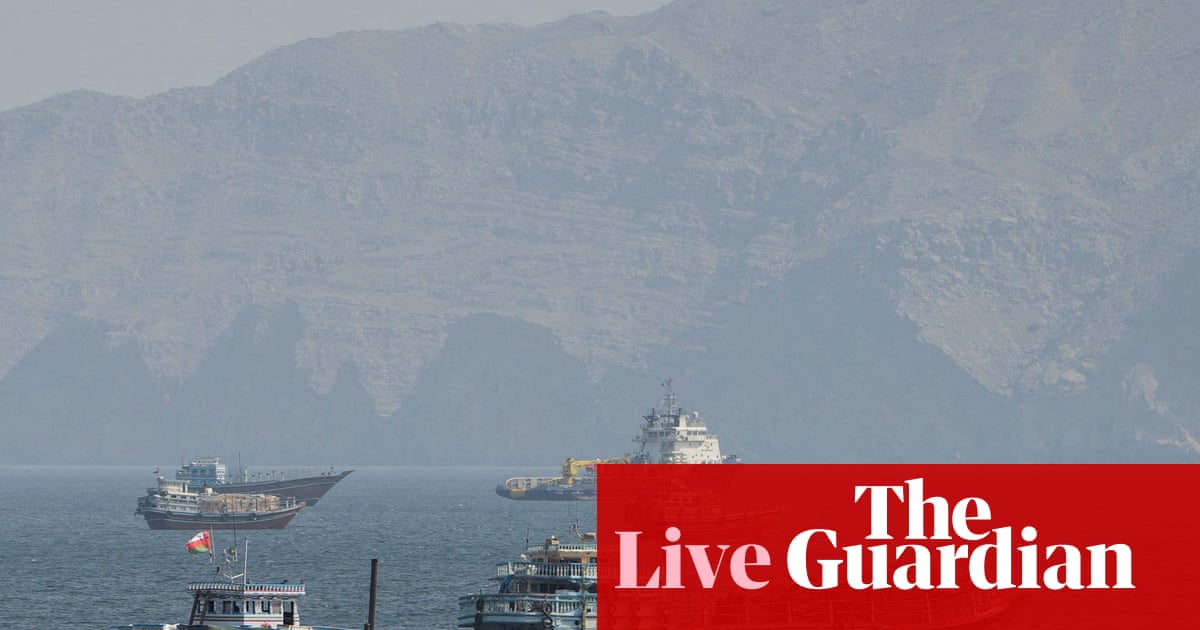
Attacks on shipping vessels in the Strait of Hormuz have emerged as a primary catalyst for the recent surge in European gas prices and global oil benchmarks. This critical maritime chokepoint, vital for a significant portion of the world's oil and gas transit, is experiencing heightened security risks, leading to immediate supply fears.
The geopolitical instability in the Middle East, particularly linked to the US-Israel war on Iran, is exacerbating these concerns. The perceived threat to energy supply routes through the Strait directly translates into higher commodity prices as markets price in potential disruptions and reduced availability.
Storm Isaias
Compounding the geopolitical tensions, the approach of Storm Isaias in the Gulf of Mexico is further squeezing global oil output. This natural phenomenon threatens to disrupt US oil production, adding another layer of supply-side pressure to an already volatile market.
The dual impact of Middle East shipping attacks and the storm-related output squeeze creates a significant supply deficit perception. This confluence of events is a key factor in Brent crude's rapid ascent, pushing prices to levels not seen in some time.
£104 a barrel
The benchmark Brent crude oil price has jumped significantly, topping $104 a barrel, a substantial increase that reflects the acute supply concerns. This price surge has immediate and widespread economic repercussions, affecting everything from transportation costs to manufacturing expenses.
The rise in oil prices is directly contributing to a bond sell-off across the Eurozone and the UK, with gilt yields rising and the euro falling to a near 17-month low. Higher bond yields signal increased borrowing costs for governments and corporations, potentially stifling investment and economic activity. The prospect of further interest rate rises, driven by inflationary pressures from energy costs, is also weighing heavily on the UK housing market, indicating a broader economic slowdown.
Key points
- Oil and gas prices have surged, with Brent crude topping $104 a barrel.
- Shipping attacks in the Strait of Hormuz are a key factor driving European gas prices and global oil benchmarks higher.
- Storm Isaias is threatening US oil output in the Gulf of Mexico, adding to supply concerns.
- Rising energy prices are causing bond yields to increase across the Eurozone and UK, putting pressure on government finances.
- The euro has fallen to a near 17-month low, and the prospect of rate rises is impacting the UK housing market.
Continued shipping attacks and persistent supply disruptions could lead to sustained high oil and gas prices, fueling inflation and forcing central banks to implement further interest rate hikes. This scenario would likely intensify pressure on the UK housing market, weaken the euro further, and potentially trigger a broader economic slowdown.