"Oil is a curse": In Uganda, villages uncertain about land ownership
Uganda's oil discovery has intensified 15-year-old land disputes, leaving villagers like Moses K. Asaba in Buliisa district uncertain about their ancestral lands. TotalEnergies and the Ugandan government face communities claiming dispossession.
Intelligence analysis by Gemini 2.5 Flash Lite
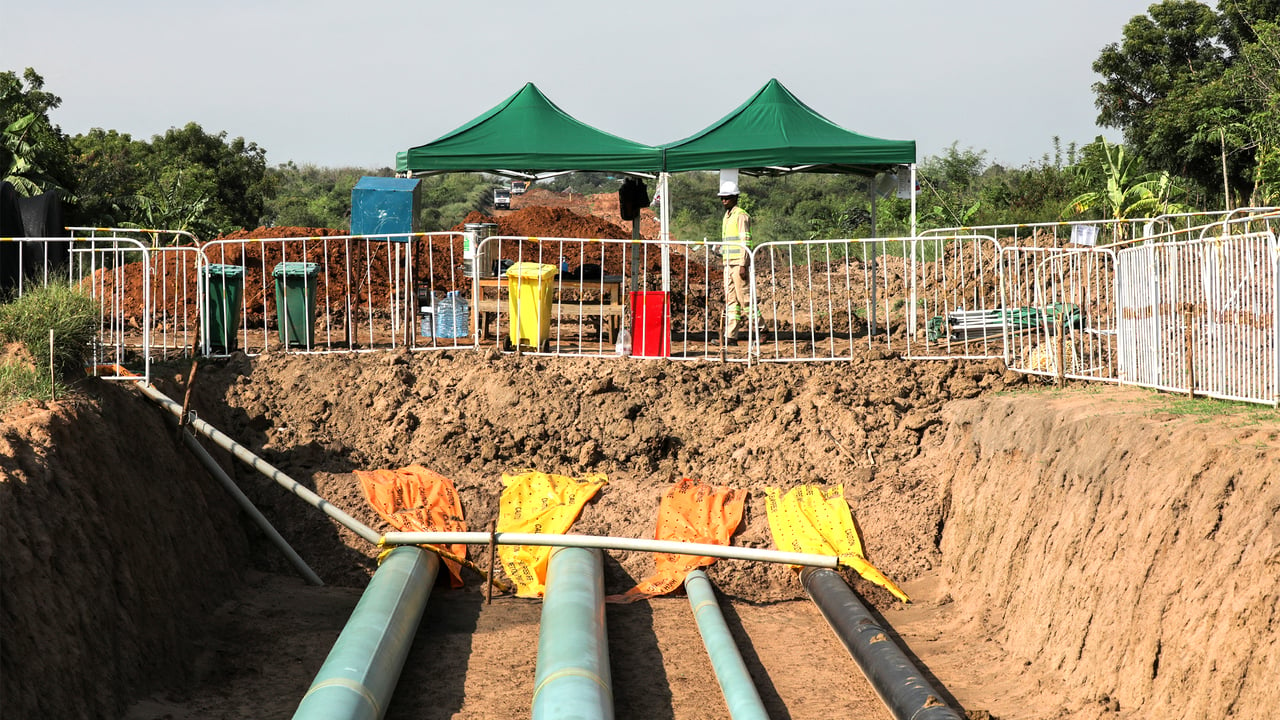
The promise of oil wealth in Uganda has unfortunately exacerbated long-standing land ownership conflicts, particularly in districts like Buliisa. Residents fear losing their ancestral homes and livelihoods as oil projects, involving companies like TotalEnergies, move forward, leaving communities in a state of uncertainty and distress.
Imagine your family has lived in your house for a very, very long time, and it's always been yours. Now, someone finds something valuable underground, like treasure, and wants to dig it up, but they say they need your land to do it. This makes people very worried they might lose their homes, even though it's been their family's land forever.
Analysis
Bugana Village
Moses K. Asaba, a resident of Bugana village in Uganda's Buliisa district, embodies the deep-seated anxiety gripping communities in the wake of the nation's oil discoveries. For generations, his family has lived on land they consider their own, a connection that now hangs precariously in the balance. The "discovery of oil in our district has been a curse for me and my family," he states, reflecting a sentiment echoed by many whose ancestral homes are now subject to the pressures of resource development. This uncertainty stems from protracted land disputes, some dating back fifteen years, which have been amplified by the oil rush.
The situation in Bugana and surrounding areas illustrates a recurring pattern in resource-rich regions across Africa, where the potential for economic prosperity often clashes with the rights and security of local populations. The presence of major oil projects, operated by entities like TotalEnergies in partnership with CNOOC and UNOC, brings with it the specter of displacement and the erosion of traditional land tenure systems. The article suggests that these communities feel increasingly marginalized, their claims to ownership overshadowed by the economic and political imperatives driving oil extraction.
TotalEnergies
The French energy giant TotalEnergies is a key player in Uganda's burgeoning oil sector, operating the Tilenga oil field project on the shores of Lake Albert. This involvement places the company at the center of the land ownership controversies. While the company's operations promise significant economic benefits for Uganda, they also bring it into direct contact with communities asserting their rights to the land. The article implies that TotalEnergies, alongside the Ugandan government and CNOOC, faces accusations from dispossessed communities.
Navigating these complex land issues requires a delicate balance between development goals and human rights. The article points to a legal challenge filed in 2020 by civil society groups against the oil project, which, while ultimately dismissed by a tribunal in Arusha for being filed too late, underscores the ongoing tensions. The case highlights the legal and social battles being waged by affected communities seeking redress and recognition of their land rights against powerful corporate and state interests.
Land Ownership
The core of the conflict in Uganda's oil-producing regions revolves around the fundamental issue of land ownership and the perceived dispossession of ancestral lands. For communities like those in Buliisa, land is not merely a commodity but a deeply ingrained part of their identity and heritage. The discovery of oil has intensified these long-standing disputes, creating a climate of fear and instability.
Residents are left in a state of limbo, unsure of their future on the land they have occupied for generations. This uncertainty is compounded by the complex legal frameworks governing land rights in Uganda, which can be difficult for local communities to navigate. The article suggests that the oil development has exacerbated existing vulnerabilities, leaving these villages in a precarious position, caught between the promise of national development and the threat of losing their homes and heritage.
Key points
- Uganda's oil discovery has intensified long-standing land ownership conflicts, creating uncertainty for villagers.
- Residents in districts like Buliisa fear losing their ancestral lands due to oil projects.
- TotalEnergies and the Ugandan government are involved in projects facing challenges from affected communities.
- The situation highlights the tension between resource development and the rights of local populations.
- Legal battles and community activism aim to address grievances over land dispossession.
If handled equitably, Uganda's oil development could lead to improved infrastructure and economic opportunities for affected communities, provided their land rights are respected and they receive fair compensation. Successful resource management could set a precedent for responsible extraction in the region.
The ongoing land disputes and potential for displacement risk creating social unrest and undermining the purported benefits of oil extraction. If communities are dispossessed without adequate recourse, it could lead to long-term grievances and hinder sustainable development in the region.


