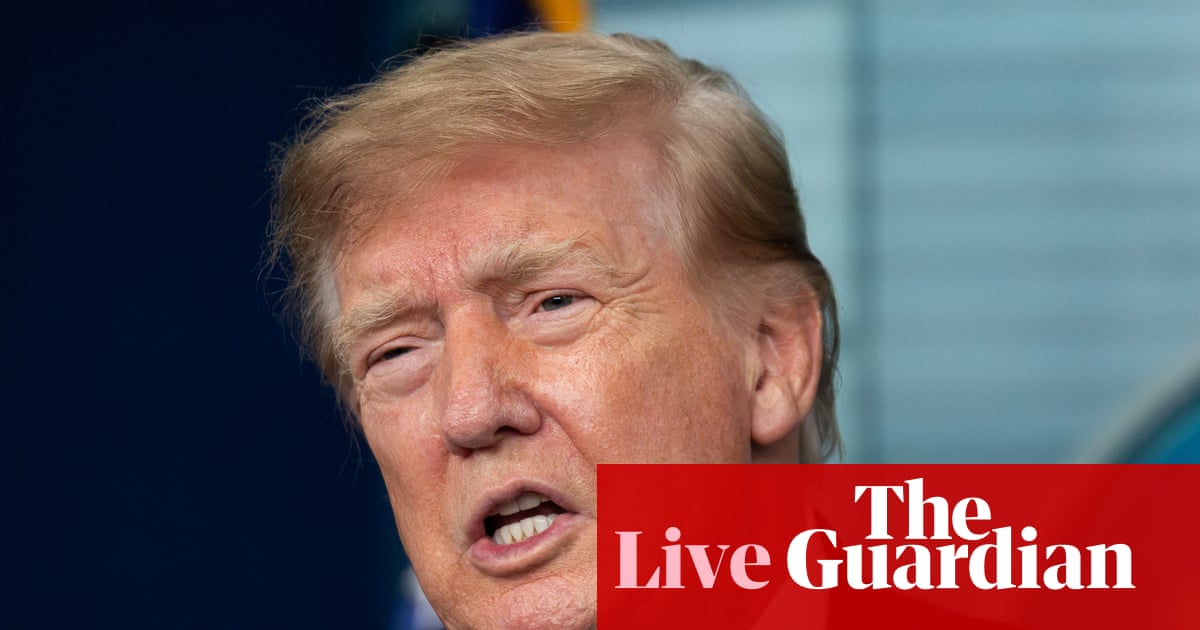
Oil prices fall to lowest since August as Trump says Iran war is ‘effectively over’
Oil prices have dropped to their lowest since late August, while global stock markets climbed, following President Donald Trump's statement that the war on Iran is "effectively over."
Intelligence analysis by Gemini 2.5 Flash

Markets reacted positively to a perceived de-escalation of tensions in the Middle East, with Brent crude falling significantly and major European indices, including the FTSE 100, seeing gains. This shift in geopolitical outlook is easing inflation concerns, though underlying macroeconomic risks persist.
Imagine oil is like the special fuel for cars and planes. When there's a big worry about a fight in a faraway place, people get scared that there won won't be enough fuel, so the price goes up, like when everyone wants the last toy in the store. But when a big leader says the fight is mostly over, people relax, and suddenly there's plenty of fuel, so the price drops. This makes things like plane tickets cheaper and helps stores keep their prices down, which is good for everyone's piggy bank.
Analysis
Donald Trump
President Donald Trump's declaration that the conflict with Iran is "effectively over" served as the primary catalyst for the recent market movements. His comments, made during a White House press conference, downplayed the necessity for further military action, suggesting that Israel and Gulf allies were adequately protected. This rhetoric signaled a significant reduction in geopolitical risk, which had previously kept markets on edge and oil prices elevated.
The president's statement provided a much-needed sense of relief to investors, who had been grappling with uncertainty surrounding potential escalation in the Middle East. The perceived de-escalation directly influenced trading decisions, leading to a broad-based recovery in stock markets and a sharp decline in crude oil futures. This demonstrates the profound impact that high-level political statements can have on global economic indicators and investor confidence.
Brent Crude
Brent crude, the international benchmark for oil prices, experienced a notable decline, falling nearly 3% to $89.66 per barrel, marking its lowest point since August 31. This drop extended a previous 6% fall, indicating a strong market reaction to the reduced geopolitical tensions. Lower oil prices are generally beneficial for the global economy, as they translate to reduced fuel costs for businesses and consumers.
The decrease in crude oil prices has immediate implications for various sectors. Airlines, for instance, saw their stock prices rise on hopes of lower operational expenses, which could improve profitability. Conversely, major oil companies like BP and Shell experienced declines in their share values, reflecting the direct impact of falling commodity prices on their revenue outlook. This dynamic illustrates the intricate web of dependencies within the energy market and its broader economic ripple effects.
US Federal Reserve
The easing of energy prices, driven by the improved geopolitical outlook, is a significant factor for the US Federal Reserve's ongoing assessment of inflation. Lower energy costs can help temper overall inflation expectations, which is a key objective for central banks in maintaining price stability. However, as noted by Daniela Hathorn of Capital.com, the Fed will require more comprehensive evidence of broader disinflation before considering any changes to its monetary policy stance.
Despite the positive development in energy prices, underlying macroeconomic and corporate risks persist, according to market analysts. The upcoming US inflation data for October will be crucial in determining whether the current market recovery is sustainable or if resilient economic growth and persistent price pressures could keep borrowing costs elevated. The sensitivity of technology valuations to yields means that any unexpected inflation surprise could quickly reintroduce market volatility, underscoring the delicate balance the Fed must maintain.
Key points
- Oil prices, specifically Brent crude, fell to their lowest level since late August, dropping below $90 per barrel.
- Global stock markets, including Europe's Stoxx 600 and London's FTSE 100, climbed in response to the news.
- The market reaction followed President Donald Trump's statement that the war on Iran is "effectively over," reducing geopolitical risk.
- Airline stocks rose due to hopes of lower fuel costs, while oil companies like BP and Shell saw their shares fall.
- Analysts suggest lower energy prices could ease inflation, but the US Federal Reserve will seek broader disinflation evidence before altering policy.
The de-escalation of geopolitical tensions could lead to sustained lower oil prices, significantly easing inflationary pressures globally. This would reduce operating costs for businesses, particularly in the transport sector, and potentially boost consumer purchasing power, fostering a more stable and growth-oriented economic environment.
Despite the current relief, underlying macroeconomic and corporate risks, coupled with persistent price pressures, could still keep borrowing costs elevated. A renewed inflation surprise or a resurgence of geopolitical tensions could quickly bring back market volatility and undermine the current recovery.
Market signals
- OIL Oil prices fell significantly following President Trump's statement on the Iran conflict, indicating reduced supply-side risk.
- Stoxx 600 Europe's benchmark index gained as markets reacted with relief to the de-escalation of Middle East tensions.
- BP BP's shares fell as lower crude oil prices negatively impact the profitability of oil companies.
- LHA Lufthansa's stock rose amid hopes that easing tensions would lead to lower fuel costs for airlines.
AI-generated analysis of potential market relevance. Not financial advice.