Oil prices near 4-month high as Iran and Oman delay Strait of Hormuz talks
Oil prices surged to a near four-month high after talks between Iran, Oman, and other regional countries regarding the Strait of Hormuz were postponed, amidst escalating conflict in Yemen and an attack on a Saudi oil pipeline.
Intelligence analysis by Gemini 2.5 Flash
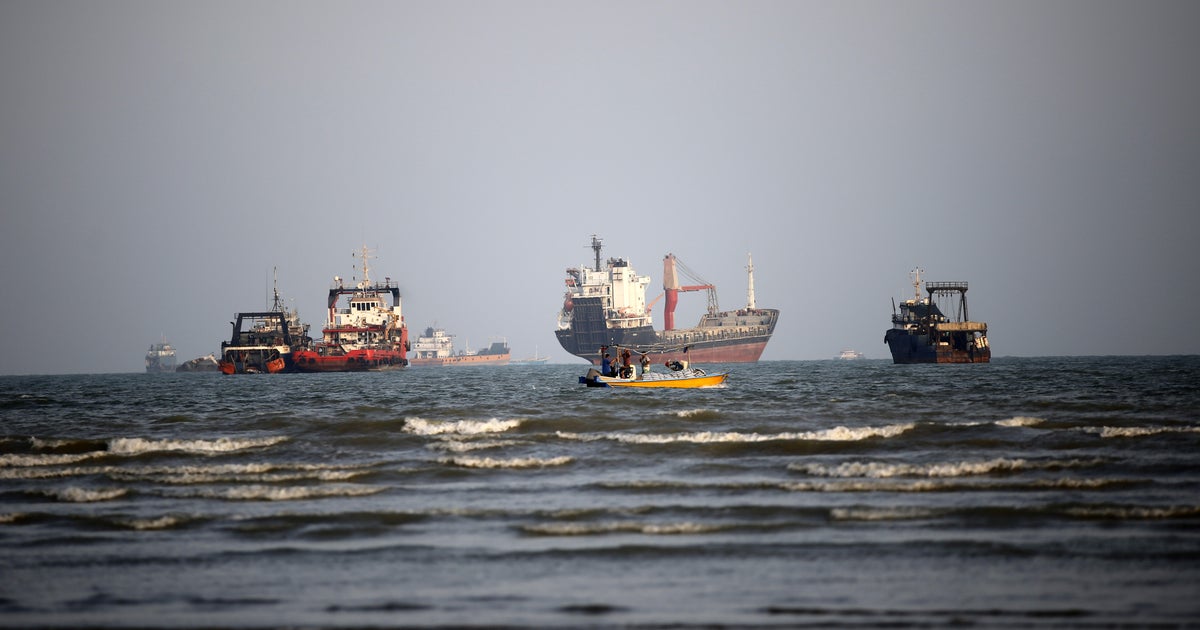
Tensions in the Middle East are escalating, with Brent crude oil prices reaching $108 per barrel following the postponement of critical talks concerning the Strait of Hormuz, a vital shipping lane. This comes as Iran-backed Houthi rebels intensify their conflict in Yemen, threatening Saudi oil exports, and Iran denies involvement in a recent attack on a Saudi pipeline.
Imagine the Middle East is like a busy highway for oil, and a very important shortcut called the Strait of Hormuz is getting tricky to use because some countries can't agree on how to manage it. At the same time, there's a fight happening in a country called Yemen, where one side is getting stronger and making it harder for Saudi Arabia to send its oil out through another important sea route. All these problems make people worried that there won't be enough oil, so the price of gas and other things made from oil goes up, just like when a toy becomes super popular and everyone wants it, so stores charge more.
Analysis
The current geopolitical landscape in the Middle East is marked by a significant uptick in tensions, primarily centered around Iran and its regional proxies, which has direct and immediate consequences for global energy markets. The postponement of crucial talks between Iran, Oman, and other regional states regarding the management of the Strait of Hormuz underscores the fragility of diplomatic efforts in a volatile environment. This waterway is a choke point for a substantial portion of the world's oil supply, and any uncertainty surrounding its control or security sends ripples through international markets. The stated reason for the delay, "in the interests of consensus," suggests underlying disagreements, potentially exacerbated by Saudi Arabia's reported amendments to the proposed agreement, reflecting broader regional anxieties about Iran's influence and the implications for Gulf Cooperation Council countries.
Yemen
The conflict in Yemen has seen a significant intensification, with Iran-backed Houthi rebels making strategic gains along the Red Sea coast. Their capture of the port city of Mokha and an island on the Bab el-Mandeb Strait is particularly concerning. This strait serves as the southern gateway to the Red Sea and offers a crucial alternative shipping route for Saudi energy products, especially given the perceived impediment to the Strait of Hormuz. The Houthi advances directly threaten Saudi Arabia's ability to export oil via the Red Sea, creating a dual pressure point on global oil supplies. The Saudi-backed government forces have vowed to send more troops, indicating a prolonged and potentially more destructive phase of the conflict, which further destabilizes the region and heightens risks to energy infrastructure.
Oil prices
The immediate and most tangible impact of these developments has been a sharp increase in global oil prices. Brent crude, the international benchmark, jumped to approximately $108 per barrel, marking its highest level in nearly four months. U.S. crude also saw a significant rise, exceeding $103.26 per barrel, a more than 20% increase from a month prior. This surge is a direct response to the heightened geopolitical risk, particularly the threats to key shipping lanes like the Strait of Hormuz and the Bab el-Mandeb Strait, as well as attacks on critical infrastructure such as the Saudi East-West pipeline. The market is pricing in the increased likelihood of supply disruptions, reflecting investor concern over the stability of Middle Eastern oil production and transit routes. The sustained escalation could lead to further price volatility, impacting global economic stability.
Key points
- Oil prices, including Brent crude and U.S. crude, have jumped to near four-month highs amidst Middle East tensions.
- Talks between Iran, Oman, and other regional countries regarding the Strait of Hormuz have been postponed due to a lack of consensus.
- Fighting in Yemen has intensified, with Iran-backed Houthi rebels gaining control of key areas along the Red Sea coast, threatening Saudi oil exports.
- Iran has denied responsibility for a recent attack on Saudi Arabia's East-West oil pipeline, accusing the U.S. of fabricating 'false news'.
- Iran and the UAE have expressed a desire to improve relations, with their leaders meeting on the sidelines of the BRICS summit.
Despite the escalating tensions, there's a glimmer of hope as Iran's president claimed that Tehran and the United Arab Emirates wish to "turn the page" on their strained relations. A constructive exchange between President Massoud Pezeshkian and the crown prince of Abu Dhabi suggests a potential for de-escalation and future cooperation, which could contribute to regional stability.
The ongoing escalation of conflict in Yemen, coupled with the postponement of critical talks on the Strait of Hormuz, points to a high risk of further regional instability. This could lead to sustained high oil prices, increased threats to vital shipping lanes, and a broader conflict that draws in more regional and international actors, severely impacting global energy security and economic stability.
Market signals
- OIL Escalating Middle East tensions, threats to shipping lanes, and pipeline attacks are directly driving crude oil prices higher, as reported in the article.
AI-generated analysis of potential market relevance. Not financial advice.