Oil prices rise sharply after Iran launches attacks on tankers near strait of Hormuz
Global oil prices have risen sharply after Iran launched attacks on tankers near the strait of Hormuz, leading to a ceasefire deal with the US being declared over. Brent crude benchmark rose to more than $78 a barrel, its steepest increase since the ceasefire began.
Intelligence analysis by Llama
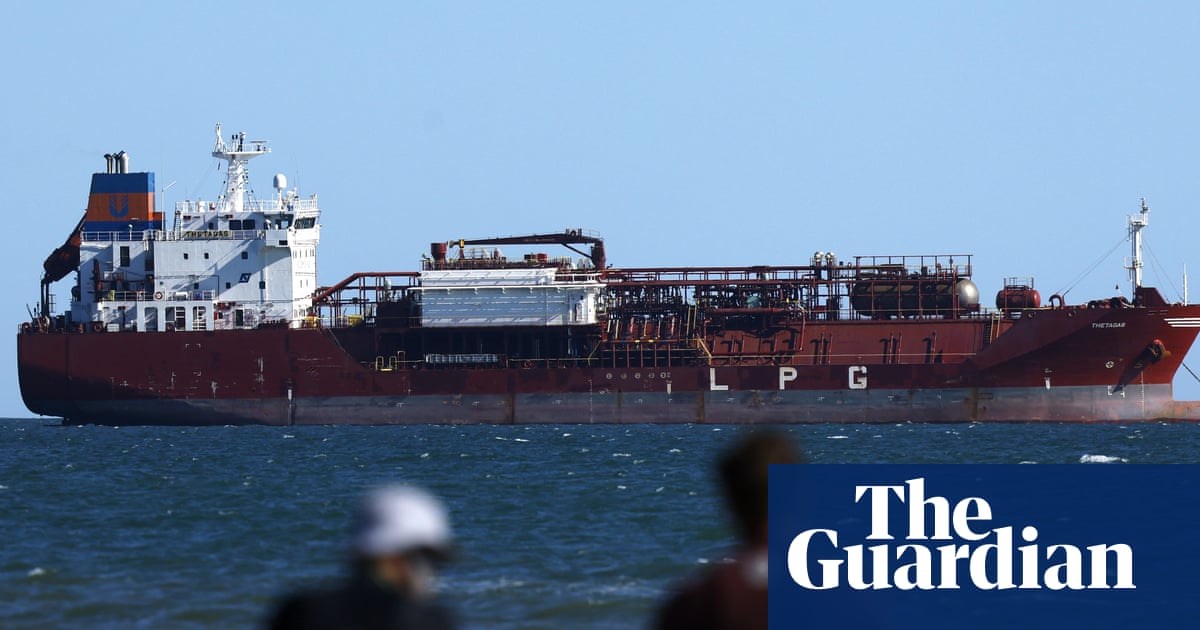
Iran's attacks on tankers near the strait of Hormuz have led to a sharp rise in global oil prices, with Brent crude benchmark rising to more than $78 a barrel. The ceasefire deal with the US has been declared over, and market analysts are warning of potential price increases.
Imagine you're driving a car, and the price of gas at the pump goes up. That's what's happening with oil prices right now. Iran has attacked some tankers near a important trade route, and that's causing oil prices to rise. This could make gas more expensive for people to buy, which is bad news for drivers.
Analysis
A $60B Vote of Confidence
The recent attacks on tankers near the strait of Hormuz have sent shockwaves through the global oil market, with prices rising sharply in response. The ceasefire deal between the US and Iran, which had been in place for several weeks, has been declared over, and market analysts are warning of potential price increases. The strait of Hormuz is a critical trade route, with over 20 million barrels of oil passing through it every day. The disruption to this route has significant implications for global energy markets and could lead to increased costs for households and businesses.
Why Cursor?
The recent attacks on tankers near the strait of Hormuz have raised questions about the stability of the region and the potential for further conflict. The US and Iran have been engaged in a war of words for several months, with both sides trading accusations and threats. The recent attacks have escalated tensions, and market analysts are warning of potential price increases. The ceasefire deal between the US and Iran had been in place for several weeks, but it appears to have been declared over in response to the recent attacks.
The Road Ahead
The recent attacks on tankers near the strait of Hormuz have significant implications for global energy markets and could lead to increased costs for households and businesses. Market analysts are warning of potential price increases, and the situation is being closely watched by governments and industry leaders around the world. The ceasefire deal between the US and Iran had been in place for several weeks, but it appears to have been declared over in response to the recent attacks. The situation is fluid and uncertain, and it remains to be seen how it will play out in the coming days and weeks.
Key points
- Global oil prices have risen sharply after Iran launched attacks on tankers near the strait of Hormuz.
- The ceasefire deal between the US and Iran has been declared over.
- Market analysts are warning of potential price increases.
- The strait of Hormuz is a critical trade route, with over 20 million barrels of oil passing through it every day.
- The disruption to this route has significant implications for global energy markets and could lead to increased costs for households and businesses.
If the situation in the Middle East stabilizes and the ceasefire deal between the US and Iran is reinstated, oil prices could decrease, leading to lower costs for households and businesses.
If the conflict between the US and Iran escalates, oil prices could rise significantly, leading to increased costs for households and businesses, and potentially even higher prices at the pump.