Oil prices top $100 as Red Sea attacks rattle global markets
Oil prices surged past $100 a barrel on Thursday as Iran-backed Houthi rebels targeted Red Sea shipping and threats by US President Donald Trump to strike them in return sent equity markets slumping.
Intelligence analysis by Llama
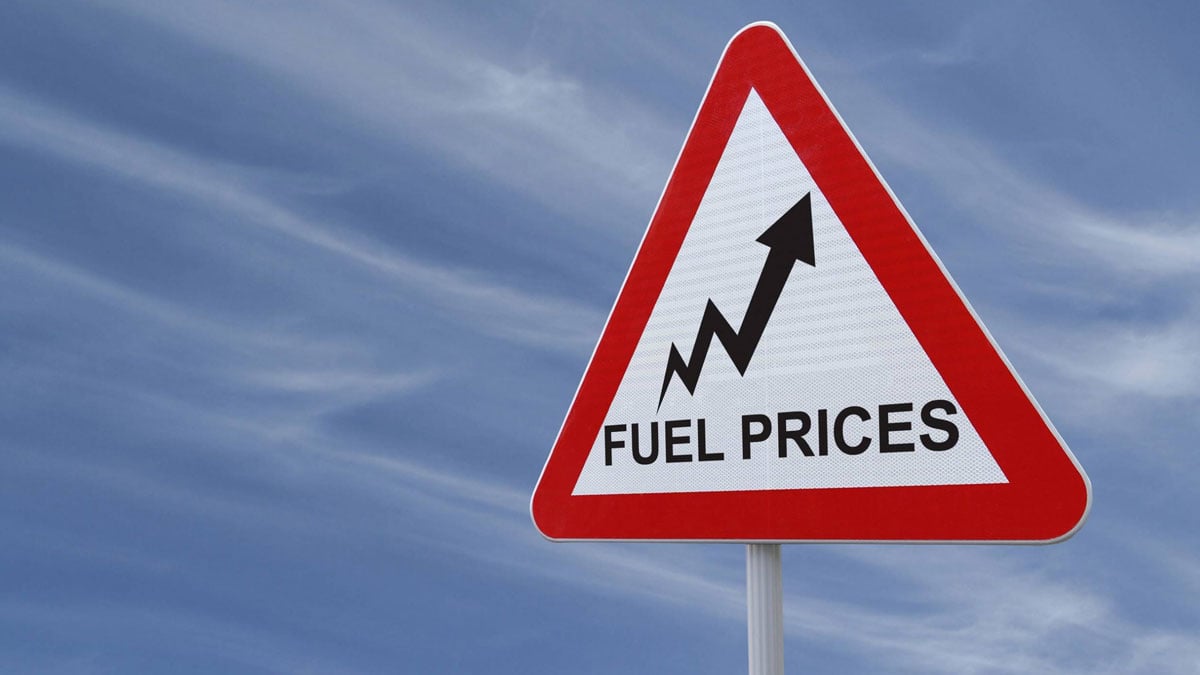
Oil prices topped $100 a barrel on Thursday as Red Sea attacks and US threats to strike Iran-backed Houthi rebels sent global markets into a slump. The attacks potentially opened a new front in the Middle East war, and investors are bracing for the possibility that the conflict could disrupt key energy routes and keep oil prices elevated.
Imagine you're at a gas station, and the price of gas suddenly goes up because there's a war in a faraway place. That's what's happening with oil prices right now. The war is making it harder to get oil, so the price goes up. This can make things more expensive for people all around the world.
Analysis
A New Front in the Middle East War
The recent attacks on Red Sea shipping by Iran-backed Houthi rebels have sent shockwaves through the global energy market, causing oil prices to surge past $100 a barrel. This development has significant implications for global markets, including the potential for higher inflation and interest-rate hikes. The attacks also raise concerns about the stability of the Middle East region and the potential for further conflict.
Why the Red Sea Matters
The Red Sea is a critical shipping route for oil exports, particularly for Saudi Arabia, which has been using the route to export millions of barrels of oil that normally flowed through the Strait of Hormuz. The closure of this shipping channel would remove more oil from the market, further exacerbating the energy crunch. Investors are bracing for the possibility that the conflict could disrupt key energy routes and keep oil prices elevated.
The Impact on Global Markets
The surge in oil prices has significant implications for global markets, including the potential for higher inflation and interest-rate hikes. The attacks also raise concerns about the stability of the Middle East region and the potential for further conflict. The dollar has firmed against its main rivals, buoyed by the high oil price, as buyers with other currencies will need to buy more dollars to purchase their crude.
Key points
- Oil prices surged past $100 a barrel on Thursday due to Red Sea attacks and US threats to strike Iran-backed Houthi rebels.
- The attacks potentially opened a new front in the Middle East war, disrupting key energy routes and keeping oil prices elevated.
- The surge in oil prices has significant implications for global markets, including the potential for higher inflation and interest-rate hikes.
- The dollar has firmed against its main rivals, buoyed by the high oil price, as buyers with other currencies will need to buy more dollars to purchase their crude.
If the conflict in the Middle East can be resolved peacefully, oil prices may stabilize and even decrease. This could lead to lower inflation and interest rates, benefiting the global economy.
If the conflict in the Middle East escalates, oil prices could continue to rise, leading to higher inflation and interest rates. This could have a negative impact on the global economy, particularly for countries that rely heavily on oil imports.