Oil: Who will win the investment race, Senegal or Côte d'Ivoire?
Senegal and Côte d'Ivoire are competing to attract major oil and gas investments to boost production and potentially join OPEC, with Senegal currently leading in output.
Intelligence analysis by Gemini 2.5 Flash
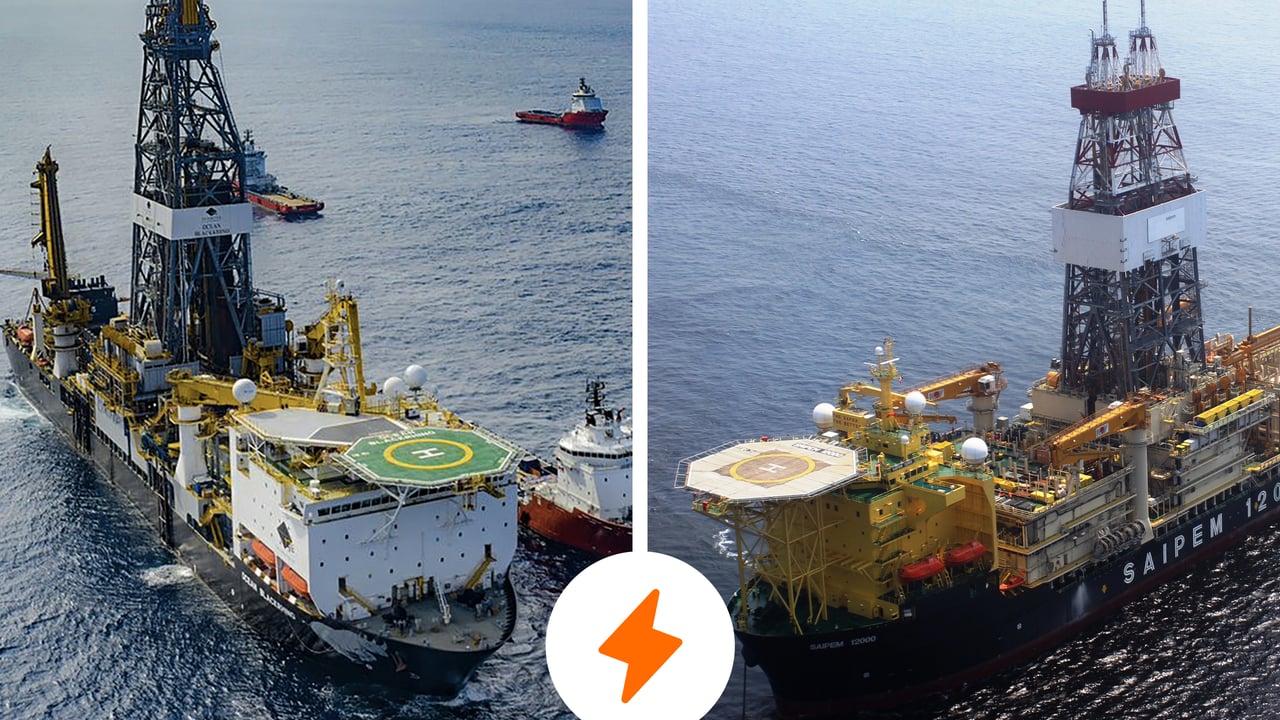
Both West African nations, Senegal and Côte d'Ivoire, are actively seeking to become significant oil and gas exporters and are competing to draw in international energy majors and capital. Their ultimate goal is to increase their hydrocarbon production and secure a place within the OPEC cartel, a move that could reshape the regional energy landscape.
Imagine two friends, Senegal and Côte d'Ivoire, both finding lots of oil and gas in their backyards. Now they're having a friendly race to see who can get the most grown-ups (big companies) to help them dig it up and sell it. They also want to join a special club called OPEC, which is like the captains' club for countries that sell a lot of oil. Right now, Senegal is a little bit ahead in the race, but Côte d'Ivoire is trying hard to catch up!
Analysis
The article highlights the strong desire of both Senegal and Côte d'Ivoire to join the Organization of the Petroleum Exporting Countries (OPEC). This ambition comes at a time when OPEC's cohesion is reportedly fragile, following the withdrawals of the United Arab Emirates and Angola, suggesting the cartel might be receptive to new members. For these West African nations, OPEC membership represents not only a significant boost in international standing but also potential influence over global oil policies and pricing. It signifies their emergence as serious players in the global energy landscape, moving beyond mere resource extraction to strategic participation.
OPEC
The article underscores the keen interest of both Senegal and Côte d'Ivoire in becoming members of the Organization of the Petroleum Exporting Countries (OPEC). This aspiration is particularly notable given the recent departures of the United Arab Emirates and Angola, which have raised questions about the cartel's internal stability and potential openness to new entrants. For these aspiring West African nations, joining OPEC would confer significant geopolitical and economic advantages, including a voice in global energy policy discussions and enhanced credibility on the international stage. It represents a strategic move to solidify their positions as key players in the global hydrocarbon market, moving beyond mere resource extraction to active participation in market governance.
Dakar
Senegal, with its capital Dakar, is currently positioned ahead of Côte d'Ivoire in the race for increased oil and gas production. This lead provides Senegal with a distinct advantage in attracting further foreign direct investment and establishing itself as a prominent energy hub in the West African region. The nation's proactive engagement with major international energy companies is geared towards rapidly expanding its production capacities and leveraging its newly discovered hydrocarbon reserves for national economic development. This strategy includes fostering long-term partnerships and facilitating technology transfers to optimize resource recovery and processing.
Abidjan
Côte d'Ivoire, anchored by its economic capital Abidjan, is also vigorously pursuing investments to enhance its oil and gas output. Despite currently trailing Senegal in terms of production volume, the country is determined to close the gap and assert its own significant presence in the highly competitive West African energy sector. The Ivorian government's approach involves cultivating an attractive and stable environment for foreign investment in its energy industry, with the dual objectives of diversifying its economy and securing robust future revenue streams. This concerted effort is vital for Abidjan to realize its ambitions of becoming a major oil and gas exporter and a potential future member of OPEC.
Key points
- Senegal and Côte d'Ivoire are actively seeking to attract major investments in their oil and gas sectors.
- Both nations aspire to join the Organization of the Petroleum Exporting Countries (OPEC).
- Senegal currently holds a lead over Côte d'Ivoire in terms of oil and gas production.
- The competition highlights West Africa's growing importance in the global energy landscape.
Increased investment in oil and gas could lead to significant economic growth, job creation, and improved infrastructure for both Senegal and Côte d'Ivoire. Successful integration into OPEC could also provide these nations with greater influence on global energy markets and secure stable revenue streams for national development.
Intense competition for investments might lead to a 'race to the bottom' in terms of regulatory standards or fiscal incentives, potentially impacting long-term environmental sustainability or equitable distribution of wealth. Over-reliance on hydrocarbon revenues could also expose their economies to volatile global oil prices.