‘Our town is making jeans again’: meet the firm reviving jobs and skills in Wales
Hiut Denim, founded in 2011 in Cardigan, Wales, is reviving the town's denim manufacturing heritage by employing skilled local craftspeople to produce high-end jeans, contrasting with the previous mass production that moved abroad.
Intelligence analysis by Gemini 2.5 Flash
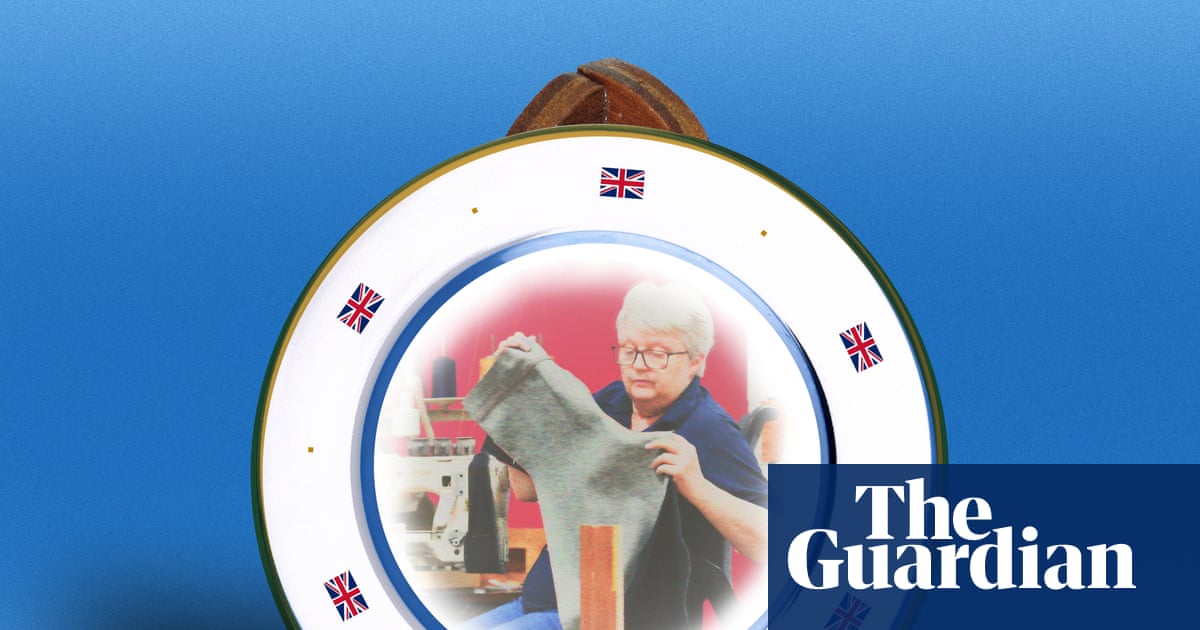
Hiut Denim, a Welsh company, is bringing back traditional jeans manufacturing to Cardigan, a town that lost hundreds of jobs when its large factory outsourced production. By focusing on high-quality, handmade products and employing experienced local artisans, Hiut Denim aims to restore skills and create sustainable employment, despite facing financial challenges during the pandemic an…
Imagine a small town where everyone used to make cool blue pants, but then the factory moved far away, and people lost their jobs. Now, a new company called Hiut Denim is bringing back the pant-making, but instead of making tons of cheap ones, they make really special, super-nice pants by hand, using the skills of the older workers to teach new ones. It's like bringing a beloved old toy back to life, but even better!
Analysis
The resurgence of Hiut Denim in Cardigan, Wales, offers a compelling case study in the potential for high-end, niche manufacturing to revitalize local economies previously devastated by globalization. The company's commitment to retaining production within the UK, while many competitors outsource, directly addresses the loss of traditional skills and employment that occurred when mass manufacturing moved abroad. By focusing on quality, craftsmanship, and a strong brand narrative, Hiut Denim has carved out a unique market position, demonstrating that premium products can command prices that support local, skilled labor. This model contrasts sharply with the volume-driven approach that led to the initial decline of denim production in the region, highlighting a shift towards value over sheer quantity in certain segments of the retail industry.
Cardigan
The small coastal town of Cardigan, once a hub for denim production and home to Britain's largest jeans factory, experienced significant economic hardship when manufacturing jobs were outsourced at the turn of the century. Hundreds of residents lost their livelihoods, forcing many to seek employment elsewhere. Hiut Denim's establishment in 2011 by David and Clare Hieatt was a deliberate effort to reverse this trend, aiming to revive the town's rich heritage in denim-making.
The company's move into a part of the former Dewhirst factory symbolizes a full-circle journey for the community, literally bringing production back to its historical roots. This return has not only created direct employment but also instilled a renewed sense of pride, as evidenced by the slogan "Our town is making jeans again" painted on the factory wall. It underscores the profound social and psychological impact that the return of manufacturing can have on a small, close-knit community.
Elin Evans
Elin Evans, Hiut's factory manager, embodies the generational skill and dedication that the company seeks to preserve and pass on. Having started in the jeans trade at 16 in 1983 at the Dewhirst factory, her career trajectory mirrors the town's industrial history—from mass production to outsourcing, and now back to high-end craftsmanship. Her decision to return to Cardigan after the founding of Hiut, rather than relocate abroad, highlights the strong community ties and the appeal of reviving local industry.
Evans, one of the "grand masters" at Hiut, plays a crucial role in maintaining the brand's commitment to quality and in training the next generation of artisans. Her personal connection to the craft and the town reinforces the authenticity of Hiut's "made in Wales" ethos. The meticulous hand-making of each pair of jeans, from 17 pieces of fabric, is a testament to the skills she and her colleagues possess, ensuring a product that stands apart from mass-produced alternatives.
Johann von Loeper
The recent acquisition of Hiut Denim by the German von Loeper family, with 26-year-old Johann von Loeper taking over as CEO, marks a significant turning point for the company. This investment, initially a "passion project" for Johann's father, Philipp, who was a loyal customer, demonstrates the appeal of Hiut's unique brand story and product quality beyond traditional investment criteria. Johann's decision to leave a finance career in London to move to Cardigan underscores a personal belief in the company's mission and potential.
The von Loeper family's involvement, particularly after Hiut faced financial difficulties post-pandemic, provides crucial capital and strategic direction, ensuring the continuation of its mission. While their usual investments are in life sciences or agriculture, their commitment to Hiut highlights a growing recognition among investors of the value in sustainable, ethically produced, and locally manufactured goods, even in niche markets. This new leadership could provide the stability and growth necessary for Hiut to expand its reach while maintaining its core values.
Key points
- Hiut Denim, founded in 2011 in Cardigan, Wales, aims to revive the town's denim manufacturing heritage.
- The company employs skilled local craftspeople, including "grand masters" who previously worked in the town's large jeans factory before production moved abroad.
- Hiut produces high-end, handmade jeans, with each pair made from 17 pieces of fabric and signed by the stitcher, costing significantly more than high-street alternatives.
- Despite celebrity endorsements, the company faced financial difficulties post-Covid and was acquired by the German von Loeper family in 2025, with Johann von Loeper becoming CEO.
- The initiative has brought jobs and a renewed sense of pride to Cardigan, symbolizing a return of manufacturing to its historical roots.
The success of Hiut Denim demonstrates that focusing on high-quality, artisanal production can create sustainable jobs and revive traditional skills in communities affected by industrial decline. This model could inspire similar ventures, fostering local economic resilience and pride by valuing craftsmanship over mass production.
Despite its positive impact, Hiut Denim's high price point and niche market make it vulnerable to economic downturns and shifts in consumer preferences for luxury goods. The company's past financial difficulties highlight the challenges of scaling such a model and competing with lower-cost, mass-produced alternatives.