Pakistan extends austerity measures for FY2026–27 amid high fuel cost
The Pakistan government has extended its austerity measures for the 2026–27 fiscal year, aiming to control public expenditure and address economic challenges.
Intelligence analysis by Llama
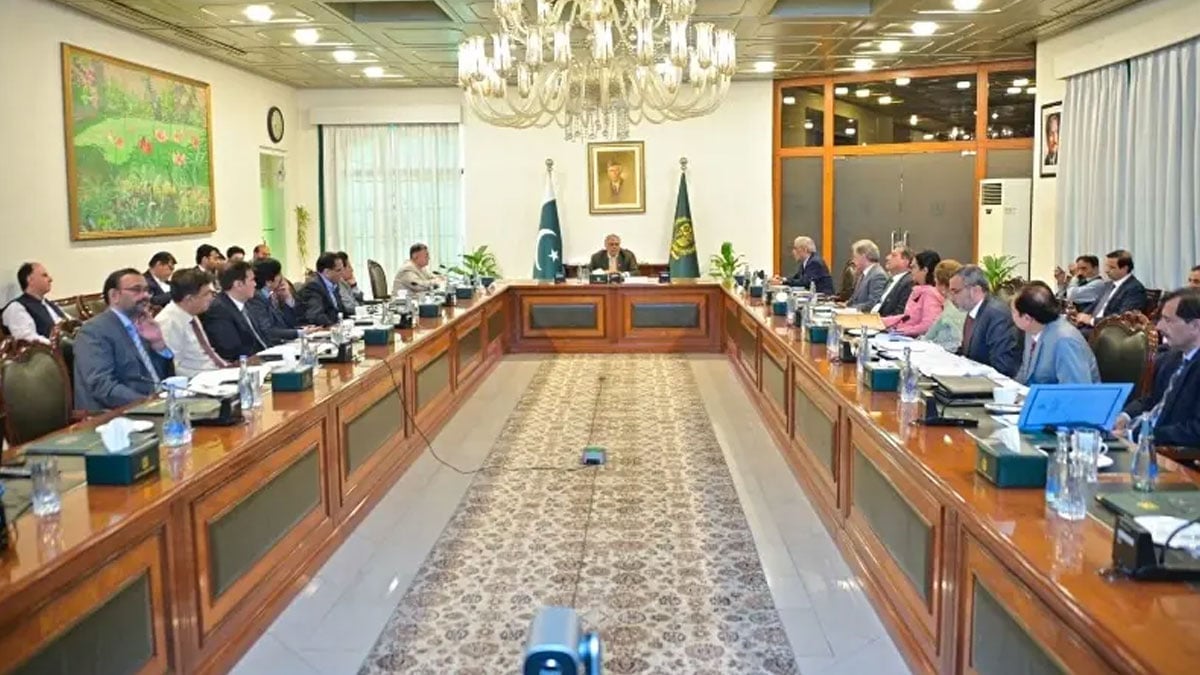
Pakistan's government has decided to continue its austerity drive for the 2026–27 fiscal year, with a new set of cost-saving measures approved by the federal cabinet. The measures aim to control public expenditure and address economic challenges.
Pakistan's government is trying to save money by cutting back on unnecessary expenses. This will help the country's economy and provide relief to the public, especially with high fuel costs.
Analysis
A $60B Vote of Confidence
Pakistan's decision to extend its austerity measures for the 2026–27 fiscal year is a significant move towards economic stability. The government has approved a new set of cost-saving measures, which will be implemented across federal and provincial governments. The notification states that compliance with the austerity measures will be treated as a mandatory constitutional directive for all government institutions. The Austerity Committee has been authorized to grant exemptions on a case-by-case basis where justified by compelling reasons. The Ministry of Finance has instructed all ministries and divisions to ensure the effective implementation of the austerity policy throughout the 2026–27 financial year. This move is a vote of confidence in the government's ability to manage the economy and provide relief to the public amidst high fuel costs. The extension of austerity measures is a crucial step towards reducing public expenditure and addressing economic challenges. It is expected to have a positive impact on the country's economy and provide relief to the public.
Why Cursor?
The Chief Justice of Pakistan (CJP) Justice Yahya Afridi ordered the discontinuation of austerity measures previously implemented in the Supreme Court, with the policy set to formally end from 15 June 2026. The notification states that the Supreme Court's austerity policy would cease to be effective from 15 June 2026, following the Chief Justice's approval. As a result, all administrative and operational affairs of the Supreme Court will resume under normal procedures from 15 June, with court functions returning to routine operations. This move is a significant development in the country's economic landscape and highlights the government's commitment to reducing public expenditure. The extension of austerity measures is a crucial step towards addressing economic challenges and providing relief to the public.
The Road Ahead
The extension of austerity measures for the 2026–27 fiscal year is a significant move towards economic stability. The government has approved a new set of cost-saving measures, which will be implemented across federal and provincial governments. The notification states that compliance with the austerity measures will be treated as a mandatory constitutional directive for all government institutions. The Austerity Committee has been authorized to grant exemptions on a case-by-case basis where justified by compelling reasons. The Ministry of Finance has instructed all ministries and divisions to ensure the effective implementation of the austerity policy throughout the 2026–27 financial year. This move is a vote of confidence in the government's ability to manage the economy and provide relief to the public amidst high fuel costs. The extension of austerity measures is a crucial step towards reducing public expenditure and addressing economic challenges.
Key points
- Pakistan's government has extended its austerity measures for the 2026–27 fiscal year.
- The measures aim to control public expenditure and address economic challenges.
- The Austerity Committee has been authorized to grant exemptions on a case-by-case basis where justified by compelling reasons.
- The Ministry of Finance has instructed all ministries and divisions to ensure the effective implementation of the austerity policy throughout the 2026–27 financial year.
If the austerity measures are implemented effectively, it could lead to a reduction in public expenditure, which in turn could help stabilize the country's economy and provide relief to the public.
If the austerity measures are not implemented effectively, it could lead to a reduction in public services, which could negatively impact the country's economy and the public's well-being.