Pentagon's plan to livestream Fort Hood shooter's execution sparks intense backlash
The Pentagon's decision to livestream the execution of Nidal Hasan, the Fort Hood shooter, has ignited widespread condemnation from politicians, former officials, and religious leaders.
Intelligence analysis by Gemini 2.5 Flash
Defense Secretary Pete Hegseth confirmed the December 3 execution by firing squad would be public to demonstrate serious consequences, a move approved by President Trump. However, critics across the political spectrum are calling the plan 'disgusting' and 'medieval,' warning it could inspire terrorism and undermine America's moral standing.
Imagine if a school decided to show everyone, even kids, a very serious punishment happening live, like a really strict timeout for someone who did something very bad. Some grown-ups think this is a good idea because it shows there are big consequences. But many other grown-ups think it's a terrible idea, saying it's like something from a long time ago, could make people feel scared or angry, and might even make others want to do bad things too, like copying the person who got punished.
Analysis
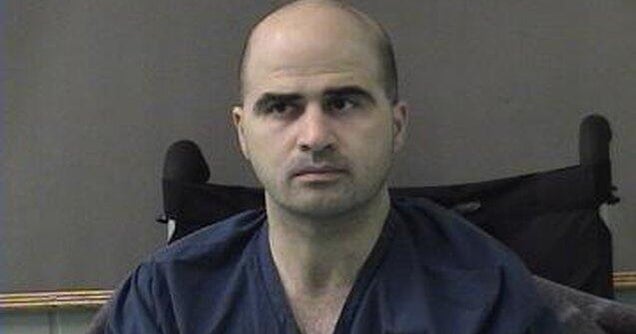
Nidal Hasan
Nidal Hasan, the former Army major responsible for the tragic 2009 Fort Hood shooting that killed 13 people, is at the center of a national controversy. His impending execution by firing squad, scheduled for December 3, has been confirmed by Defense Secretary Pete Hegseth, with President Trump's approval of the method.
The decision to livestream Hasan's execution has drawn particular ire, with many critics arguing it risks elevating him to a martyr figure for extremist groups. Conservative talk show host Erick Erickson specifically warned that the public imagery of a paraplegic man being executed could undermine support for the death penalty and provide a platform for the martyrdom Hasan allegedly desires, potentially inspiring more terrorists.
Pete Hegseth
Defense Secretary Pete Hegseth is the central figure in the Pentagon's controversial decision to livestream the execution. He confirmed the plan, stating that the execution would be public "because people need to understand that there's serious consequences for these types of things." This rationale, however, has been met with significant pushback.
Hegseth's recommendation for a firing squad execution, approved by President Trump, has been criticized for its potential to damage America's image and create more radicalized individuals. Senator John Curtis urged Hegseth to reconsider, drawing parallels to ancient Roman spectacles and warning that cultivating an appetite for executions diminishes society and is not an effective deterrent.
Thom Tillis
Republican Senator Thom Tillis, despite having voted to confirm Defense Secretary Hegseth, has become one of the most vocal critics of the livestreaming plan. He unequivocally called the decision "beyond disgusting," expressing regret for his prior support of Hegseth's confirmation.
Tillis strongly argued that public executions are characteristic of "oppressive dictatorships like Iran and Afghanistan" and should not occur in America. His sentiment was echoed by other Republicans, including Rep. Austin Scott, who stated that live-streaming executions are what "jihadists do," emphasizing that "America is better than that."
Key points
- The Pentagon plans to livestream the December 3 execution of Nidal Hasan, the Fort Hood shooter, by firing squad.
- Defense Secretary Pete Hegseth confirmed the plan, stating it's to show "serious consequences" for such acts, with President Trump's approval.
- The decision has sparked intense backlash from Republican and Democratic lawmakers, former State Department officials, and religious leaders.
- Critics argue the livestreaming is "disgusting," "medieval," and akin to tactics used by oppressive regimes and terrorist groups.
- Concerns include the potential for radicalization, inspiring more terrorism, undermining support for the death penalty, and damaging America's moral standing.
Critics warn that livestreaming the execution could create a martyr for extremist groups, potentially inspiring more acts of terrorism and radicalized zealots. This public spectacle risks undermining the moral fabric of the nation, damaging America's international image, and diminishing societal values by cultivating an appetite for such events.