Pilot ‘hyperlocal’ job support scheme in England shows promising signs of effectiveness
A JobsPlus pilot in 10 English neighbourhoods is helping some jobseekers into work, with early signs of better mental health and stronger engagement.
Intelligence analysis by GPT-5.4 Mini
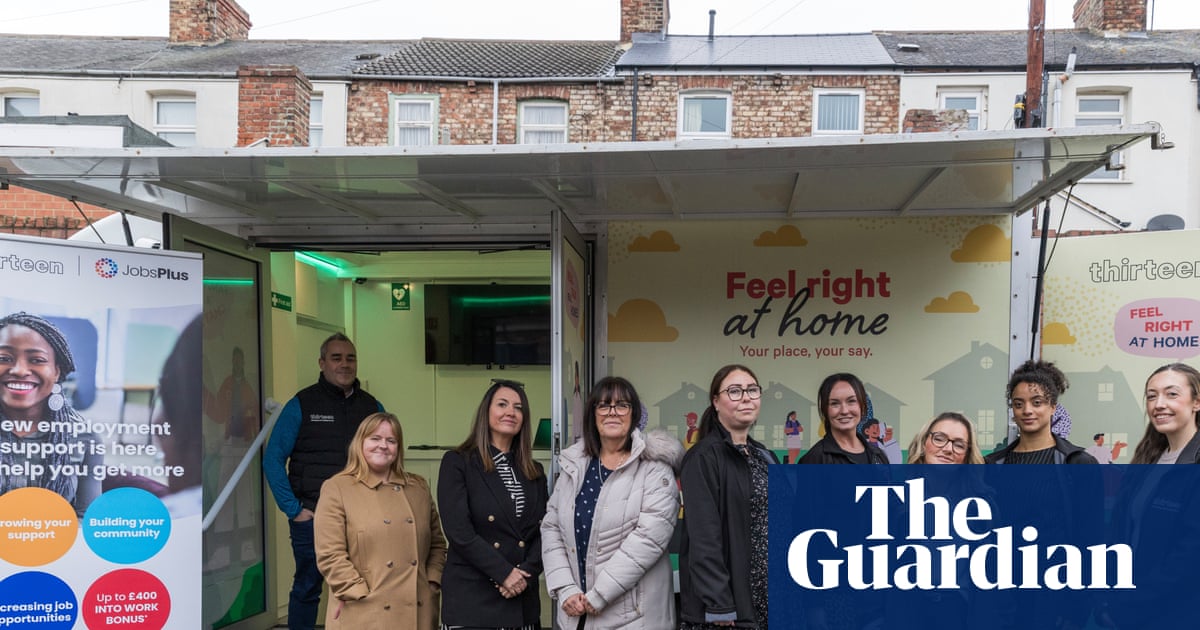
The Guardian says a government-backed JobsPlus pilot in 10 English neighbourhoods is reaching people furthest from the labour market, especially young people, and has posted early employment gains. Evaluators say the model could be scaled nationally.
It is like putting a job helper inside a neighbourhood clubhouse instead of making people travel far away. The helpers also bring small things that matter, like bus money or interview clothes, so finding a first job feels less hard.
Analysis
What the pilot does
JobsPlus is a government-funded scheme running in 10 neighbourhoods in England, with support concentrated in small areas of predominantly social housing. The idea is to reach residents who may not come into contact with standard job services, including people with caring responsibilities or health conditions. Staff and “community champions” provide one-to-one help, practical support such as interview clothing or transport, and links to employers, Jobcentre Plus offices and NHS services.
What the evaluation found
Between July 2024 and December 2025, 27% of the more than 1,000 participants had reached a positive employment outcome. In most cases that meant moving from unemployment into work, though some found a better job. The evaluation also said participants reported better mental health, including less anxiety, lower mood and social isolation, plus more resilience. Many saw those changes as important steps before applying for jobs or staying in work.
The scheme appears to be reaching a younger group than the local population. About 31% of enrolments were aged 16-24, compared with 12% of local people in the eligible areas. That matters because the government is looking for ways to support young people into jobs or training, after the number of 16-to-24-year-olds not in education, employment or training passed 1 million.
The Learning and Work Institute, which is running the pilot, says the hyperlocal model offers a way to move from analysis to action by finding young people in their own communities and giving them wrap-around support. The Institute for Employment Studies said the scheme could be scaled up nationally. A £400 bonus for people who stayed in work for two months was described as useful, but not central, to the results.
Key points
- JobsPlus is testing a hyperlocal job-support model in 10 English neighbourhoods.
- 27% of more than 1,000 participants achieved a positive employment outcome by December 2025.
- The pilot is reaching many young people and reporting better mental health among participants.
- Evaluators say the approach could be scaled nationally, but it needs longer-term testing.
- A £400 return-to-work bonus was helpful, but not the main driver of success.
If the pilot keeps working, it could give local communities a practical way to help people into jobs, especially young people who are not already connected to support. The evaluation says the approach could be scaled up nationally, which would make the model useful beyond the 10 trial areas.
The results are still early, so the pilot may not perform as well if expanded to different places or if funding ends. The jobs bonus was judged useful but not central, which suggests the core value depends on sustained, hands-on casework rather than a simple incentive.