Pink ball should’ve been used for 1st South Africa vs Australia Test: Pollock
Former South Africa captain Shaun Pollock suggested that the pink ball should have been used for the first Test between South Africa and Australia to mitigate overs lost due to bad light.
Intelligence analysis by Gemini 2.5 Flash
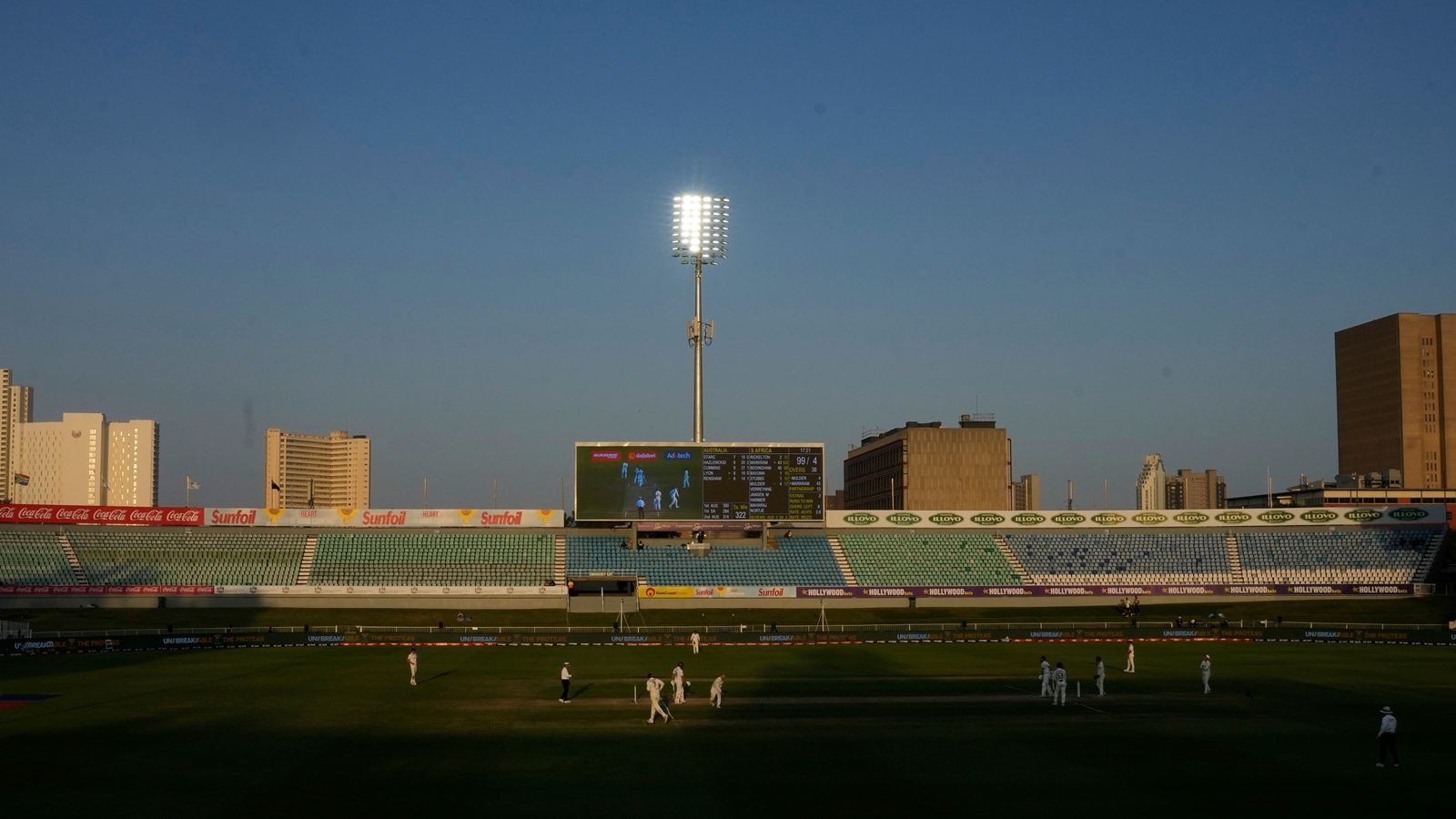
The ongoing Test match in Kingsmeade has seen significant play time lost to bad light, with only 221 out of 270 allotted overs bowled across the first three days. Pollock believes the ICC's new rule allowing pink balls for daytime Tests should have been applied to ensure more play, even if not a day-night game.
Imagine playing a game of cricket, but the grown-ups keep stopping it because it gets a bit dark, even though it's still daytime. A famous cricketer named Shaun Pollock thinks they should use a special pink ball instead of the usual red one. The pink ball is easier to see when the light isn't perfect, like when it's cloudy, so the game wouldn't have to stop as often, and everyone could play more cricket!
Analysis
The recent Test match between South Africa and Australia in Kingsmeade has brought to the forefront a persistent challenge in Test cricket: the loss of playing time due to bad light. With only 221 overs bowled out of a possible 270 across the first three days, the flow and competitive balance of the game were significantly impacted. This scenario prompted former South African all-rounder Shaun Pollock to advocate for a more proactive approach, specifically the use of the pink ball even in day-only Test matches. His argument centers on the pink ball's superior visibility under fading light conditions, which could extend play beyond what is possible with the traditional red ball, thereby minimizing interruptions and ensuring a fairer contest.
Shaun Pollock
Shaun Pollock's suggestion is not merely a casual observation but stems from a deep understanding of the game's dynamics and the practicalities of playing conditions. As a former captain and seasoned international cricketer, he has experienced firsthand the frustrations of bad light stoppages. His proposal highlights a pragmatic solution within the existing framework of ICC rules, which now permit the use of pink balls for daytime Tests. Pollock explicitly clarified that he was not advocating for a day-night match, but rather leveraging the pink ball's properties to enhance playability during standard daytime hours. This nuanced perspective underscores a desire to preserve the integrity and excitement of Test cricket by maximizing playing time.
Kingsmeade
The specific context of the Kingsmeade Test provides a compelling case study for Pollock's argument. The significant loss of overs directly affected the rhythm of the match and potentially the outcome, creating an uneven playing field where external factors, rather than cricketing skill, played a disproportionate role. While Australia managed to gain control by Day 5, the early interruptions undoubtedly altered strategic decisions and momentum. The Kingsmeade experience serves as a tangible example of how traditional red-ball cricket can be vulnerable to environmental conditions, making the adoption of the pink ball for daytime play a potentially vital adaptation to ensure that matches are decided by cricketing merit over meteorological luck.
World Test Championship
The implications of such rule applications extend significantly to high-stakes competitions like the World Test Championship (WTC) final. Pollock posed a pertinent question: would teams agree to use a pink ball in a crucial WTC final scenario if it meant avoiding the loss of 100 overs to bad light? This hypothetical scenario underscores the strategic importance of maximizing playing time in matches where every session, every over, and every run can have monumental consequences. Ensuring that pivotal matches are not unduly influenced by light conditions is crucial for the credibility and competitive fairness of global tournaments, making the pink ball a potential tool for safeguarding the integrity of elite Test cricket.
Key points
- Former South Africa captain Shaun Pollock advocated for using the pink ball in daytime Test matches.
- His suggestion came after significant overs were lost to bad light in the first South Africa vs Australia Test in Kingsmeade.
- Only 221 of the allotted 270 overs were bowled across the first three days of the match.
- Pollock believes the pink ball's visibility would allow play to continue longer under fading light conditions.
- The ICC's new rule allows for pink balls to be used in daytime Test matches.
If the pink ball is more widely adopted for daytime Test matches, it could significantly reduce the number of overs lost to bad light, leading to more complete and decisive games. This would enhance the viewing experience for fans and ensure that results are determined more by cricketing skill than external conditions.
Despite the potential benefits, a widespread shift to pink balls for daytime Tests might face resistance from traditionalists or players who prefer the red ball's characteristics. There could also be unforeseen challenges with the pink ball's durability or visibility in different conditions, potentially leading to new controversies.