Polio workers’ daily allowance increased by 28pc
Pakistan's Polio Eradication Programme has announced a 28% increase in the daily allowance for frontline polio workers, effective from the next nationwide vaccination campaign.
Intelligence analysis by Gemini 2.5 Flash
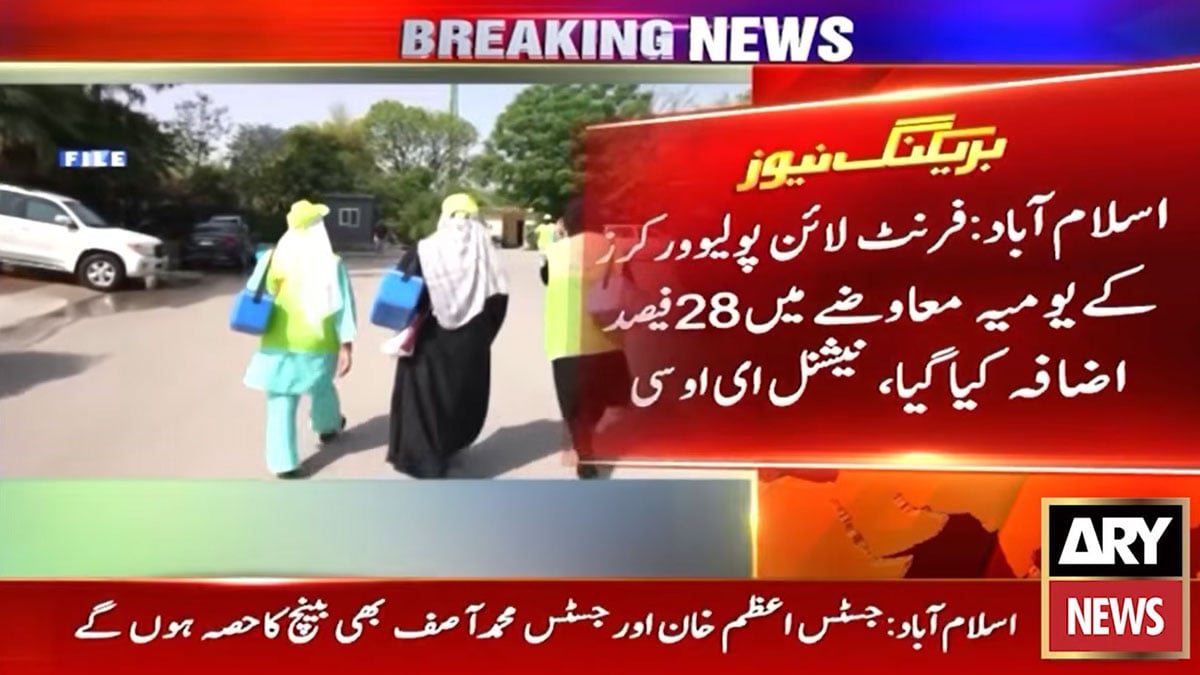
The National Emergency Operations Centre (NEOC) decided to raise the daily allowance for frontline polio workers by 28% following a series of listening sessions where workers shared their concerns. This move is intended to recognize their dedication and crucial role in the country's efforts to become polio-free, with the next campaign scheduled for late September.
Imagine doctors and nurses who give special drops to kids to stop a bad sickness called polio. They work very hard, sometimes in tough places, making sure every child gets the medicine. Now, they're getting a bit more money each day, like getting extra pocket money for doing a great job, so they feel appreciated and keep helping all the children stay healthy and safe from polio.
Analysis
28% Increase
The decision to raise the daily allowance for frontline polio workers by a substantial 28% marks a significant development in Pakistan's ongoing battle against the crippling disease. This increment is a direct response to feedback gathered during extensive listening sessions, indicating a more responsive approach from the National Emergency Operations Centre (NEOC) to the needs of its ground staff. Such a raise is expected to have a positive impact on worker morale, potentially reducing attrition rates and encouraging greater dedication among those who often work in challenging and sometimes dangerous conditions.
Beyond immediate financial relief, the 28% increase serves as a tangible recognition of the invaluable services rendered by these workers. Polio eradication campaigns rely heavily on their commitment to reach every child, often navigating difficult terrain and overcoming community resistance. By improving their compensation, the program aims to strengthen the backbone of its operations, ensuring that the frontline personnel feel valued and are better equipped to continue their vital work, which is paramount for achieving a polio-free Pakistan.
National Emergency Operations Centre
The National Emergency Operations Centre (NEOC) played a pivotal role in this decision, demonstrating a proactive stance in addressing the concerns of its frontline workers. The NEOC organized a series of listening sessions over several months, providing a direct channel for workers to voice their views, suggestions, and challenges to senior leadership. This consultative approach underscores a commitment to understanding and responding to the realities faced by those on the ground.
The outcome of these sessions, the 28% allowance increase, highlights the NEOC's recognition of the critical link between worker welfare and the overall success of the polio eradication program. By actively engaging with its workforce and implementing tangible improvements based on their feedback, the NEOC is fostering a more supportive environment. This strategy is crucial for maintaining the momentum of vaccination campaigns and ensuring their effectiveness across the 115 districts targeted in the upcoming September campaign.
Shehbaz Sharif
Prime Minister Shehbaz Sharif has consistently reaffirmed his government's unwavering determination to completely eradicate polio from Pakistan, underscoring the high-level political commitment to this public health goal. His recent discussions with Dr. Chris Elias, President of the Global Development Gates Foundation, in Islamabad, highlighted the comprehensive strategy and practical actions being implemented by his administration. This engagement signifies the government's dedication to leveraging both domestic efforts and international partnerships in the fight against polio.
Prime Minister Sharif expressed deep gratitude for the collaboration extended by Bill Gates and Saudi Arabia, acknowledging the crucial support from global partners. He emphasized that despite significant progress, emergency measures remain necessary, indicating an awareness of the persistent challenges. The Prime Minister also stressed the federal government's full coordination with provinces to ensure widespread accessibility for polio teams, reinforcing a unified national approach to reach every corner of the country under an effective strategy.
Key points
- Pakistan's Polio Eradication Programme announced a 28% increase in the daily allowance for frontline polio workers.
- The revised allowance will be effective from the next nationwide polio vaccination campaign, scheduled from September 21 to 27 in 115 districts.
- The decision followed a series of listening sessions where workers shared their views and concerns with senior leadership.
- The increase is a recognition of the hard work and dedication of frontline workers in making Pakistan polio-free.
- Prime Minister Shehbaz Sharif reaffirmed the government's commitment to polio eradication and thanked Bill Gates and Saudi Arabia for their collaboration.
The increased daily allowance is likely to boost the morale and motivation of frontline polio workers, potentially leading to more effective and widespread vaccination campaigns. This could accelerate Pakistan's progress towards achieving polio-free status, safeguarding more children from the disease.
While positive, the allowance increase alone may not fully address all the complex challenges faced by polio workers, such as security risks in certain areas or persistent vaccine hesitancy among some communities. These underlying issues could still impede the complete eradication of polio despite improved worker incentives.