Problems brewing for the proper pint as Camra membership falls
Camra membership has fallen to an eight-year low and the group posted an £800,000 loss, as the cost of living hits subscriptions and multinational brewers squeeze independents out of pubs.
Intelligence analysis by Llama
The Campaign for Real Ale is in crisis: membership at an eight-year low, an £800,000 loss, and the Great British Beer festival cancelled, while the group accuses big brewers of an illusion of choice on pub taps.
Imagine a club for people who love proper homemade lemonade, but the big fizzy-drink companies keep paying shops to only sell their bottles. The club is losing members because families have less spare money, and the club's big annual party got cancelled. That's what's happening to Camra and traditional British beer right now.
Analysis
£800,000 in the red
Camra's most recent accounts show the campaign group is "firmly in the red," posting an £800,000 loss last year alongside a membership count that has slipped to an eight-year low. The chair, Ash Corbett-Collins, described it in the accounts as "one of the most challenging years Camra has faced," a period in which a restructuring forced "a number of roles" into redundancy. For an organisation that has spent decades as the de facto trade body for Britain's traditional draught beer, the numbers mark a meaningful retreat rather than a routine dip. The financial picture ties directly to consumer behaviour: Camra's Tom Stainer argues that when households check their bank balances, a £35 annual subscription is one of the easier items to economise against surging energy and food bills, eroding the membership base that funds the group's campaigns, festivals and lobbying work.
The "illusion of choice" and minimum purchase orders
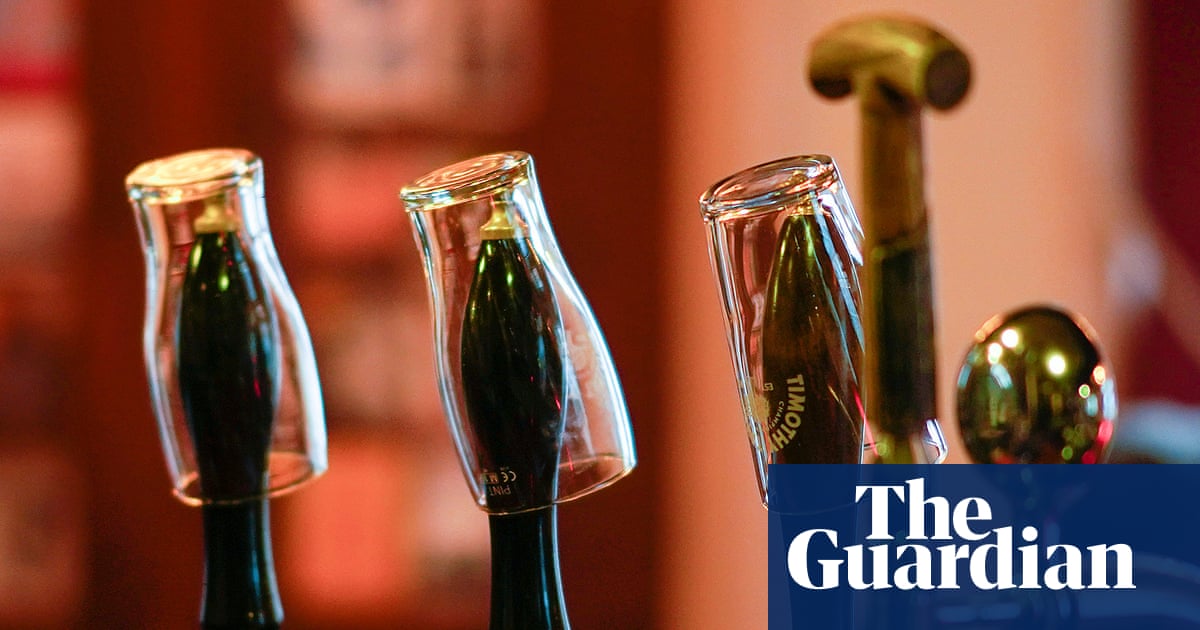
Stainer's central economic claim is that multinational brewers have built an "illusion of choice" on British pub bars, where drinkers see a long row of pumps but most of the brands are owned by the same handful of large companies. The article sets out the mechanism Stainer describes: pubcos are offered cheap multi-year package deals on beer, wine and soft drinks, bundled with minimum purchase orders that force venues to move a set volume of specific products. According to Stainer, this has reached a point where "pubs are taking off independent beers because they are too popular and stop people buying that product they have a minimum purchase order for." Camra is now formally calling on the Competition and Markets Authority to investigate what it calls a "stranglehold" on the market — a request that, if taken up, would put real-ale supply chains in the same regulatory frame as the wider UK grocery and hospitality competition questions.
The Great British Beer festival goes quiet
The decision last September to cancel the Great British Beer festival — once the largest event of its kind in the UK — is the most visible casualty of the squeeze. A festival that historically drew tens of thousands of drinkers, brewers and trade buyers also served as a commercial showcase where small cask-ale producers reached new accounts, and its indefinite suspension removes a key discovery channel for independents just as pubco barriers are tightening. Independent venues like the King Charles I in King's Cross, where manager Matt Roberts says cask ale makes up roughly 30% of sales and taps rotate every five weeks, demonstrate that demand for traditional beer survives where pubcos do not dictate ranges. Whether the festival returns, and whether independent brewers can keep reaching drinkers without it, will be a useful barometer of whether the British cask-ale sector is in a cyclical squeeze or a structural decline.
Key points
- Camra membership has fallen to an eight-year low and the group posted an £800,000 loss last year
- Chief executive Tom Stainer blames multinational brewers and pubco tying deals for an "illusion of choice" on bars
- Camra has called on the Competition and Markets Authority to investigate the big brewers' market power
- The Great British Beer festival has been cancelled for the foreseeable future after financial pressures
- Independent venues such as the King Charles I in King's Cross still report cask ale making up around 30% of sales
If the Competition and Markets Authority takes up Camra's call and examines pubco tying practices, independent brewers could regain shelf and tap space in tied houses, reviving the route to market that the group's own cancelled festival used to provide. Independent venues like the King Charles I also show that cask ale still commands around 30% of sales where pubcos do not dictate the range, suggesting demand is intact if supply constraints ease.
With Camra's Great British Beer festival suspended and membership at an eight-year low, the campaign group has lost both a commercial showcase for small brewers and a lobbying funding base, weakening the industry's collective voice at a moment when pubco minimum purchase orders are reportedly being used to squeeze independents off the bar. A prolonged cost-of-living squeeze could deepen subscription losses and accelerate the consolidation Stainer describes, leaving smaller British cask-ale producers with even fewer routes to drinkers.