Protest Day in France: Tension Ahead of Nationwide Demonstrations
France is bracing for nationwide demonstrations this Saturday, with authorities deploying 70,000 police officers to prevent a repeat of last weekend's riots and looting. Interior Minister Laurent Nuñez confirmed several protests have been banned, while others face route a…
Intelligence analysis by Gemini 2.5 Flash
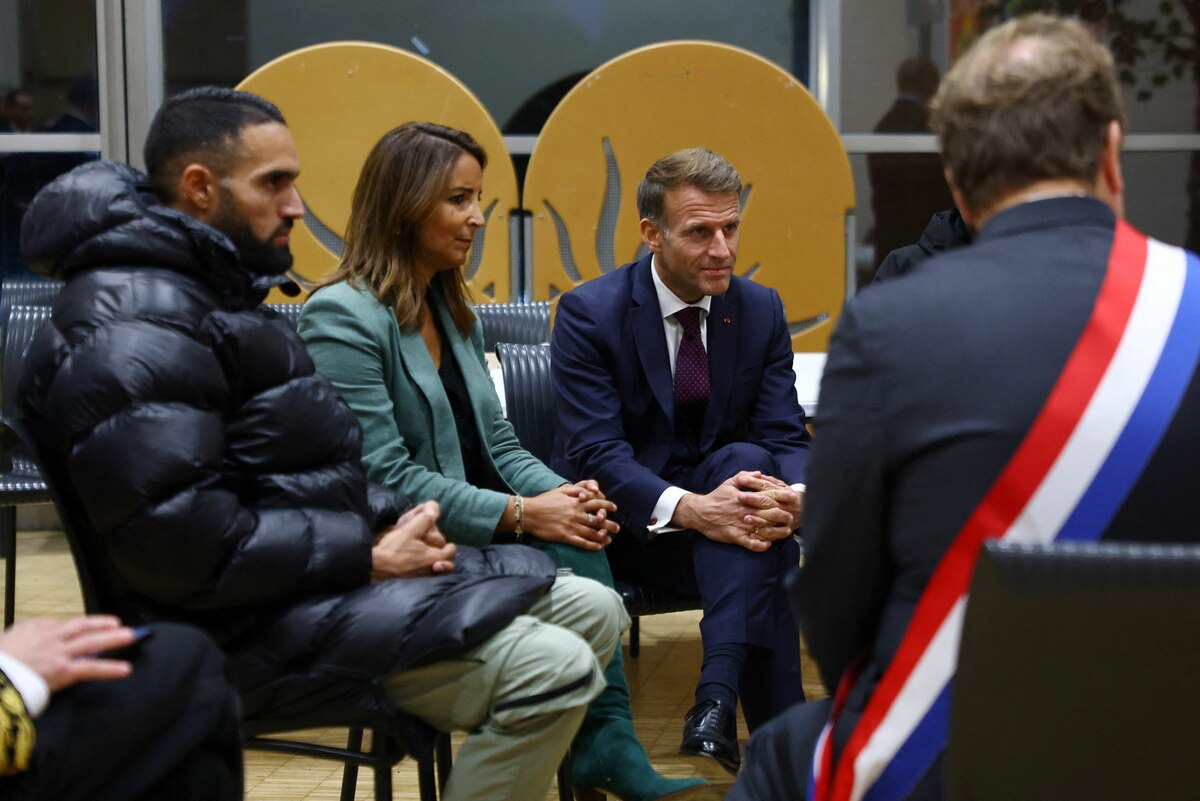
Amid high tension, France is preparing for another day of nationwide protests, fueled by student grievances over education and broader concerns about living costs. The government is deploying a massive police force and banning certain rallies to curb potential violence, while President Macron has met with student representatives and offered concessions, though protesters remain unsati…
Imagine a big country called France where many students and other people are upset about things like school and how expensive life is. They want to show how they feel by marching in the streets. But sometimes these marches get a bit wild, with damage and trouble. So, the government is sending out a huge number of police officers, like a whole army of helpers, to try and keep everyone safe and stop things from getting out of hand. The country's leader even met with some students to listen to their worries, but they still want to keep protesting.
Analysis
70,000 Police Officers
France is on high alert, deploying an unprecedented 70,000 police officers nationwide in anticipation of widespread demonstrations this Saturday. This massive security operation is a direct response to the severe riots and looting that marred protests last weekend, particularly on October 17, which resulted in millions of euros in damages and saw the town hall in Limoges set ablaze. Interior Minister Laurent Nuñez emphasized the necessity of this deployment, citing numerous calls for violence and plunder circulating among potential rioters.
The authorities have taken proactive measures beyond just increasing police presence. Several planned demonstrations have been outright banned, while others, though permitted, have had their routes significantly altered. This has sparked considerable indignation among union organizers, who view these adjustments as an infringement on their right to protest and are reportedly considering legal challenges. The government's stance is that such restrictions are essential to prevent public disorder and protect property, especially in sensitive urban areas where curfews remain in effect.
President Macron's Engagement
In the face of escalating unrest, President Emmanuel Macron has adopted a dual strategy, combining strong condemnation with attempts at dialogue. He previously accused "ultraleft" groups of orchestrating "seditious" acts aimed at "overthrowing the Republic," framing the violence as a direct threat to the state. However, in a notable shift, Macron also engaged directly with protesting high school students and their representatives at the Élysée Palace, listening to their demands and concerns for nearly three hours.
During this meeting, Macron reportedly offered significant concessions, including a "reform of school democracy" and a "complete overhaul" of the Parcoursup platform, a critical system for university applications. Furthermore, the government is considering bringing forward a planned minimum wage increase from January, signaling an attempt to address broader economic grievances. Despite these overtures, student representatives like Nathanaël Combary expressed continued dissatisfaction, stating they welcomed the listening but were "not satisfied" and awaited a meeting with the Prime Minister, Sébastien Lecornu, indicating that the path to resolution remains fraught.
Parcoursup Platform Reform
A central grievance driving the student protests, alongside demands for better school equipment and lower living costs, is the Parcoursup platform. This system is crucial for students applying to higher education institutions in France, and its perceived shortcomings have been a consistent point of contention. Macron's offer for a "complete overhaul" of Parcoursup directly addresses this specific and deeply felt concern among the student population, acknowledging the platform's impact on their academic futures.
The proposed reform of Parcoursup, coupled with the broader "reform of school democracy," suggests a recognition by the government that systemic issues within the education sector are contributing to the widespread discontent. While these offers represent a potential avenue for de-escalation, the students' cautious reception underscores the deep-seated mistrust and the expectation of concrete, tangible changes rather than just promises. The ongoing mobilization efforts by student representatives, even after meeting the President, highlight the persistent demand for more comprehensive solutions to their educational and socio-economic challenges.
Key points
- France anticipates nationwide demonstrations this Saturday, with high tension and fears of renewed violence.
- 70,000 police officers are being deployed across the country to prevent riots and looting.
- Several demonstrations have been banned, and permitted rallies face route adjustments, angering organizers.
- President Macron met with student representatives, offering reforms to school democracy and the Parcoursup platform.
- Students remain unsatisfied with Macron's offers and plan further protests, awaiting a meeting with the Prime Minister.
- Shopkeepers in Paris are boarding up windows due to fears of destruction, following millions in damages from previous unrest.
The government's willingness to engage directly with student representatives and offer concessions, such as a reform of school democracy and the Parcoursup platform, alongside potentially bringing forward a minimum wage increase, could de-escalate tensions. These steps might lead to constructive dialogue and policy changes that address the underlying grievances, fostering greater social stability.
Despite the government's efforts, the continued dissatisfaction of student groups and the high threat level of violence suggest that protests could intensify, leading to further widespread unrest and property damage. The banning of demonstrations and route disputes could also fuel public anger, potentially undermining trust in authorities and exacerbating social divisions.