Punjab Raises Card Payment Tax, Calls It 50% Relief
The Government of Punjab has increased the sales tax on digital payments, promoting it as a 50% tax relief for consumers. However, tax expert Amer Sharif points out that the government is framing the policy as a 50% relief by comparing the 8% GST on digital payments with …
Intelligence analysis by Llama
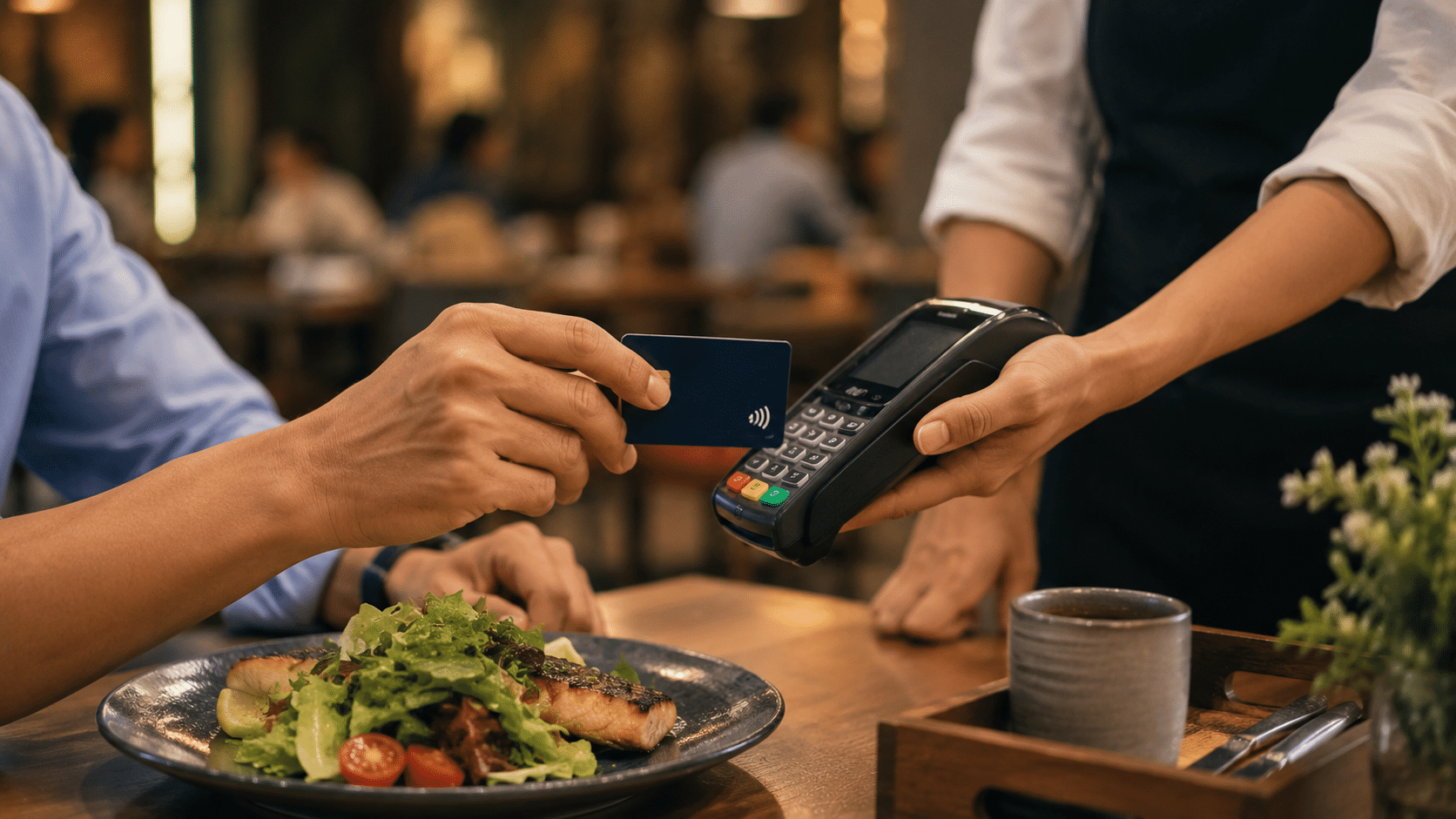
The Punjab government has introduced a new tax structure, where customers paying through debit cards, credit cards, or other digital payment methods will pay 8% GST, while those making cash payments will be charged 16% GST. The government claims this as a 50% reduction in tax for digital payments compared to cash transactions.
The government of Punjab increased the tax on digital payments, like using a credit card or mobile app to pay for things. They said this is a 50% tax relief, but a tax expert says that's not true because people will still pay more tax than before. This might make people less likely to use digital payments and could even make the government less money.
Analysis
A Misleading Tax Relief Campaign
The Government of Punjab has been caught peddling another tax relief campaign after increasing the sales tax on digital payments. Tax expert Amer Sharif points out that the government is framing the policy as a 50% relief by comparing the 8% GST on digital payments with the 16% rate on cash transactions. However, this comparison obscures the fact that digital users will still pay more tax than they did previously.
The new tax structure introduced by the government imposes an 8% GST on digital payments, while those making cash payments will be charged 16% GST. This means that customers paying through debit cards, credit cards, or other digital payment methods will pay more tax than they did previously. The government's claim that this is a 50% reduction in tax for digital payments compared to cash transactions is misleading.
Why the Government's Approach is Flawed
The government's approach to increasing the sales tax on digital payments is flawed for several reasons. Firstly, it may discourage the use of digital payments, which is a more efficient and convenient way of making transactions. Secondly, it may reduce tax revenue, as customers may opt for cash payments to avoid the higher tax rate. Finally, the government's approach may be seen as a regressive tax, as it disproportionately affects low-income individuals who rely on digital payments for their daily transactions.
The Road Ahead
The government's decision to increase the sales tax on digital payments has significant implications for the country's economy and consumer behavior. As the government continues to implement its tax policies, it is essential that it takes a more nuanced approach to taxation, one that balances the need for revenue with the need to promote economic efficiency and fairness.
Key points
- The Government of Punjab has increased the sales tax on digital payments.
- The new tax structure imposes an 8% GST on digital payments, while those making cash payments will be charged 16% GST.
- The government claims this as a 50% reduction in tax for digital payments compared to cash transactions.
- Tax expert Amer Sharif points out that the government's approach is misleading and may discourage the use of digital payments.
If the government revises its tax policy to make digital payments more attractive, it could lead to increased adoption of digital payments, reduced tax evasion, and higher tax revenue.
If the government's tax policy continues to discourage digital payments, it could lead to reduced economic efficiency, increased tax evasion, and lower tax revenue.