Saudi Arabia, UAE set to drive GCC private credit growth: Moody’s
Saudi Arabia and the UAE are poised to lead private credit growth in the GCC, driven by economic diversification and infrastructure needs. The market, though small globally, is expanding rapidly.
Intelligence analysis by Gemini 2.5 Flash Lite

Moody's Ratings highlights Saudi Arabia and the UAE as key drivers for the GCC's burgeoning private credit market. Economic diversification, infrastructure projects, and financing gaps for SMEs are fueling demand for non-bank capital, with the region's sovereign wealth funds holding significant potential.
Imagine businesses in Saudi Arabia and the UAE need money to grow, like building new factories or helping small shops expand. Banks can only lend so much. So, special investment groups are stepping in to lend money, like a private loan service. These groups are growing fast, especially in these two countries, because they have good rules and lots of money to lend.
Analysis
Saudi Arabia's Vision 2030
Saudi Arabia's ambitious Vision 2030 initiative is a primary catalyst for the expansion of private credit in the region. The extensive investment plans associated with this vision are placing considerable pressure on the balance sheets of traditional banks. This strain creates a fertile ground for alternative lenders and private credit funds to step in and fill the financing gaps that banks may not be able to address. While banks will continue to be a significant source of corporate credit, the scale of Vision 2030 necessitates a broader range of financial instruments and providers.
The demand for non-bank capital is further amplified by the ongoing efforts to diversify the Saudi economy away from its heavy reliance on hydrocarbons. This diversification strategy inherently involves expanding private sector activity, which in turn requires substantial capital for new ventures, infrastructure development, and business growth. Private credit can offer the tailored financial solutions needed to support these evolving economic objectives.
UAE's Structuring Hub
The United Arab Emirates is emerging as a critical hub for the structuring and formation of private credit funds within the GCC. Its well-established legal and regulatory frameworks, particularly in financial centers like the Dubai International Financial Centre (DIFC) and Abu Dhabi Global Market (ADGM), provide the necessary infrastructure for these funds to operate efficiently and attract both regional and international investment. This makes the UAE a natural center for organizing and managing private credit activities across the Gulf.
The UAE's role is complementary to Saudi Arabia's demand generation. Capital and expertise channeled through UAE-based platforms can effectively support financing opportunities not only within the Emirates but also in other GCC countries, including Saudi Arabia. This synergy is vital for the overall growth and sophistication of the private credit ecosystem in the region.
Market Growth and Quality
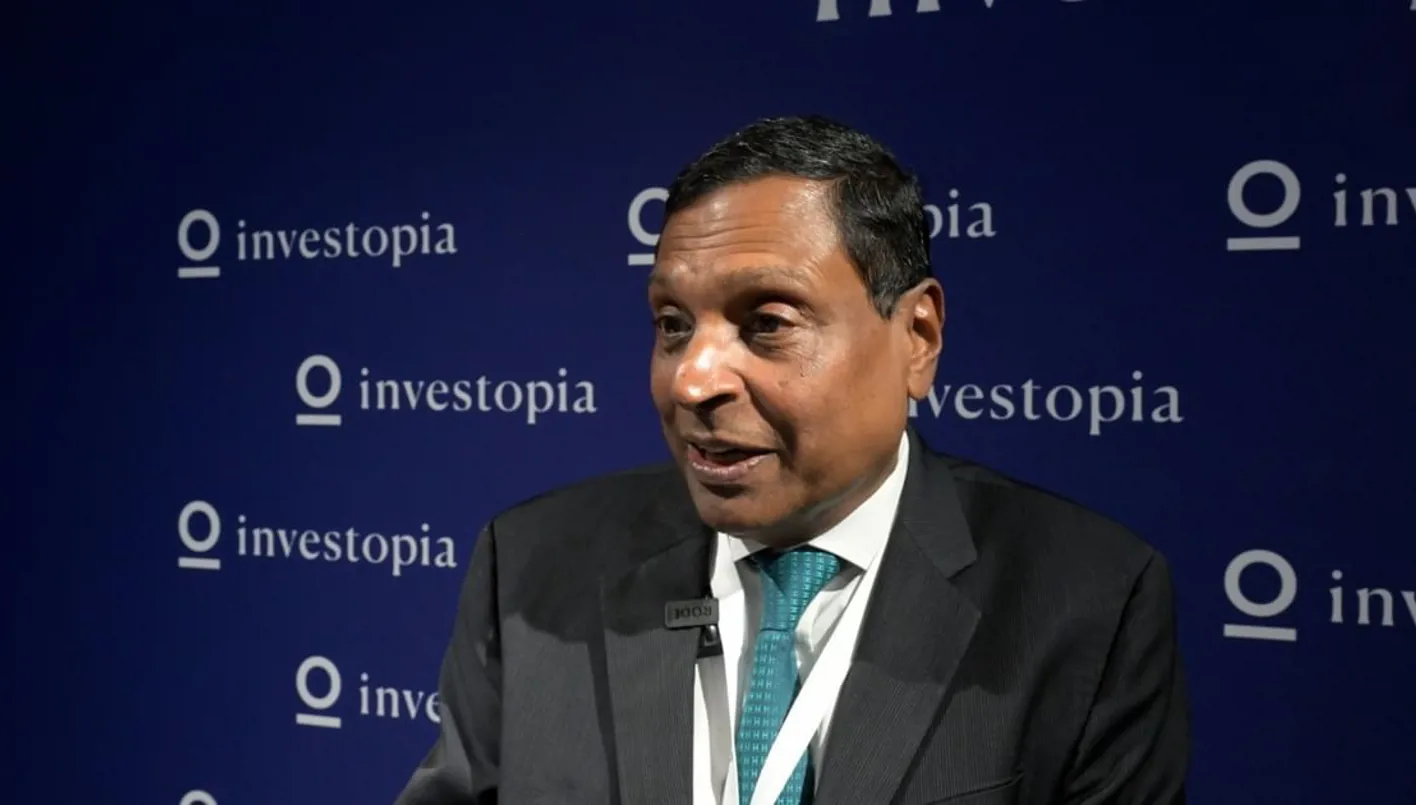
The GCC private credit market, currently valued at approximately $6 billion, is significantly smaller than the global market of $1.8 trillion but is experiencing rapid expansion from a low base. Experts like Tony Hallside, CEO of STP Partners, emphasize that the quality of this growth is paramount. Private credit should address genuine financing gaps, especially for Small and Medium-sized Enterprises (SMEs) and mid-sized businesses, and offer structures that banks are less equipped to provide. It is intended to complement, not merely compete with, the existing banking system.
For the expansion to remain credit-positive, Moody's and industry participants stress the importance of maintaining conservative leverage, robust covenant protection, and thorough borrower assessment. Transparent valuations, sector diversification, and credible restructuring capabilities are also crucial. Sustainable growth will depend on matching capital with sound underwriting and managers demonstrating the ability to navigate a full credit cycle, ensuring the long-term health and stability of this developing asset class.
Key points
- Saudi Arabia and the UAE are expected to lead private credit growth in the GCC.
- Economic diversification, infrastructure spending, and SME financing gaps are driving demand for non-bank capital.
- The GCC private credit market is valued at $6 billion and is expanding rapidly from a low base.
- The UAE is becoming a hub for structuring and forming private credit funds.
- Maintaining conservative leverage, strong covenants, and thorough borrower assessment is crucial for sustainable growth.
The growth of private credit in Saudi Arabia and the UAE could significantly boost economic diversification by providing much-needed capital to SMEs and innovative projects. This expansion can lead to more flexible financing options, faster deal execution, and deeper capital markets, ultimately fostering greater economic resilience and job creation across the GCC.
A rapid, unchecked expansion of private credit could lead to increased leverage risks, potential mispricing of assets, and a concentration of lending in a few large projects or companies. Without robust underwriting and risk management, the market could face challenges during economic downturns, potentially impacting financial stability.