Sea Watch fined by Interior Ministry: 'We don't collaborate with criminals. The Italian government does'
Sea Watch, a German NGO, has been fined €7,500 and detained for 45 days by the Italian Interior Ministry for allegedly not cooperating with Libyan authorities after rescuing six minors. The NGO vehemently denies collaborating with what it calls "criminals and traffickers,…
Intelligence analysis by Gemini 2.5 Flash
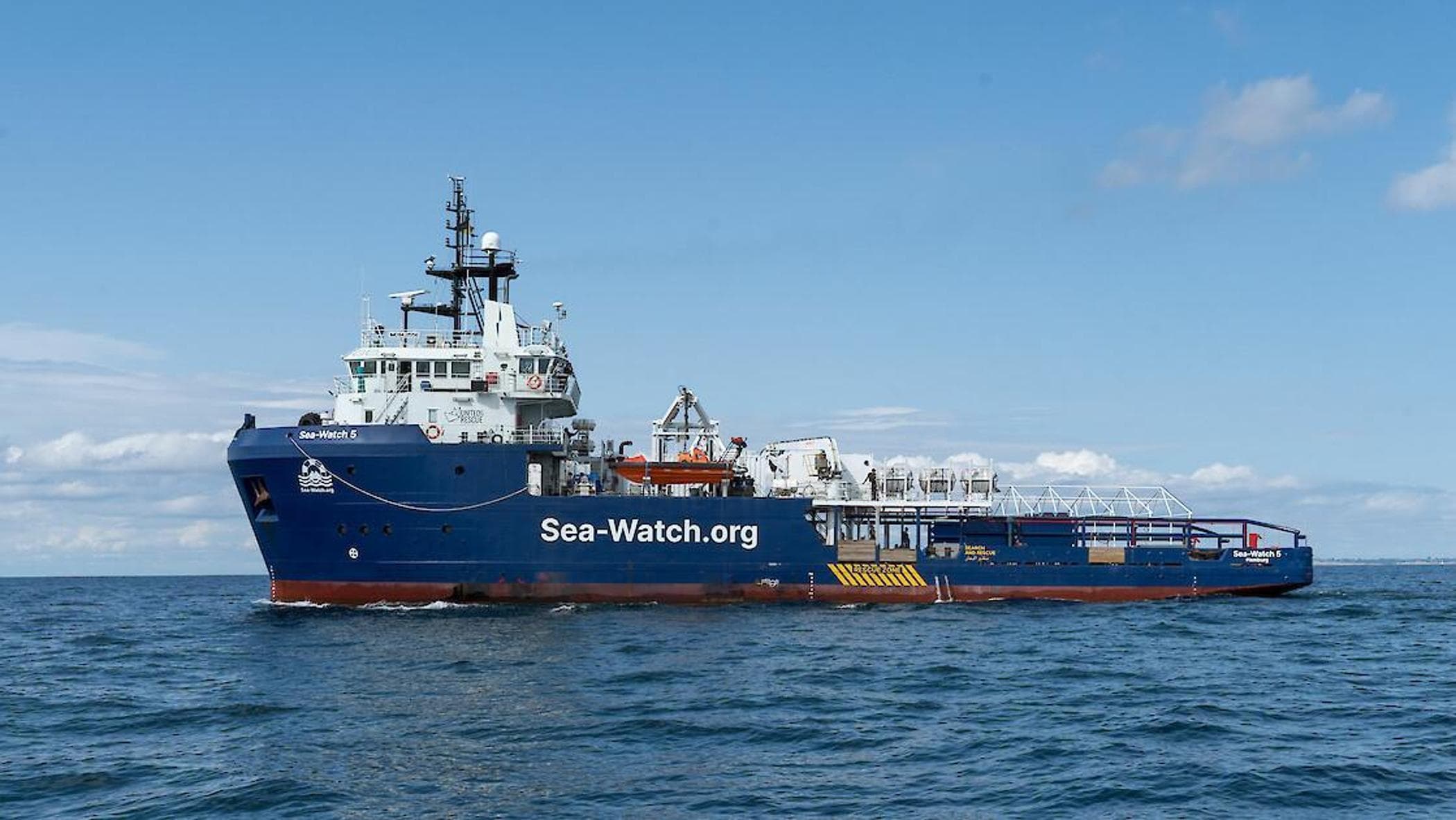
The Italian Interior Ministry has sanctioned Sea Watch, a German NGO, for its refusal to cooperate with Libyan authorities during a migrant rescue operation. Sea Watch defends its stance, claiming the Libyan "authorities" are traffickers and criminals, and criticizes Italy for funding and legitimizing them, turning the Mediterranean into a "Wild West."
Imagine a boat that helps people stuck in the big ocean. The Italian government told this boat to work with some other people, but the boat crew said, "No way! Those people are bad guys who hurt others." So, the government got mad and gave the boat a big fine and told it to stop sailing for a while. The boat crew thinks the government is actually helping the bad guys.
Analysis
The recent sanction against Sea Watch, involving a 45-day detention and a €7,500 fine, marks a significant escalation in the ongoing dispute between the Italian Interior Ministry and humanitarian NGOs operating in the Mediterranean. This action, confirmed by Sea Watch itself, underscores the Italian government's firm stance on migrant rescue protocols, particularly regarding cooperation with Libyan entities. The financial penalty and operational halt directly impact the NGO's capacity to conduct vital search and rescue missions, drawing sharp criticism from the organization regarding the ethical implications of such policies.
7,500 euros
The fine of 7,500 euros, coupled with the 45-day detention of the vessel, represents a tangible consequence for Sea Watch's operational choices. This penalty was imposed following the NGO's arrival in the port of Naples, where it had disembarked six rescued minors. The core accusation against Sea Watch is its alleged failure to collaborate with Libyan authorities, a charge the NGO not only admits but proudly defends.
Sea Watch argues that its refusal to engage with these entities is a principled stand against what it perceives as criminal organizations involved in human trafficking. The imposition of such a significant fine and detention period signals the Italian government's determination to enforce its maritime regulations, even if it means clashing directly with humanitarian principles espoused by NGOs.
August 13
The specific incident leading to the sanction occurred on Thursday, August 13, when Sea Watch rescued six individuals in international waters. Following the rescue, the NGO informed Italy and other neighboring European countries about the operation. Crucially, however, it deliberately chose not to notify the so-called Libyan maritime rescue coordination center.
Sea Watch's justification for this omission is rooted in its belief that this Libyan center is a "puppet authority" that serves to legitimize traffickers. The NGO recounted an incident shortly after the rescue where men, identified as traffickers, pointed a rifle at their crew, ordering them to leave the area. This experience, according to Sea Watch, reinforces their conviction that collaboration with such entities would be morally reprehensible and dangerous.
Piantedosi
Minister Piantedosi, head of the Italian Interior Ministry, is at the center of this controversy, with Sea Watch directly challenging his characterization of "competent authorities." The NGO questions whether the minister refers to the same Libyan entities to whom Italy has allegedly paid "a billion euros in ships, funds, and training." Sea Watch claims these resources are then "regularly used to capture and kill people at sea" and return them to "camps managed by traffickers."
This accusation frames the Italian government's policy as one that, wittingly or unwittingly, provides "legitimacy and protection to these criminals," thereby transforming the Mediterranean into a "Far West." The NGO's strong rhetoric underscores a fundamental disagreement over the nature of the Libyan coast guard and other related entities, and the ethical responsibilities of European nations in managing migration flows across the Mediterranean.
Key points
- Sea Watch received a €7,500 fine and 45-day detention from the Italian Interior Ministry.
- The sanction stems from Sea Watch's refusal to collaborate with Libyan authorities during a rescue operation.
- Sea Watch accuses the Italian government of collaborating with "criminals and traffickers" by funding and legitimizing Libyan entities.
- The NGO rescued six minors in international waters on August 13, informing European countries but not Libya.
- Sea Watch claims Libyan "authorities" are responsible for capturing and killing people at sea and returning them to trafficker-run camps.
The increased scrutiny on the alleged collaboration between Italy and Libyan entities could lead to greater transparency and accountability in maritime rescue operations and migrant management policies, potentially fostering more humane approaches to migration in the Mediterranean.
The ongoing conflict and sanctions against NGOs like Sea Watch could severely hinder vital rescue operations in the Mediterranean, potentially leading to more loss of life at sea. Furthermore, the continued legitimization and funding of alleged criminal entities in Libya by European nations could exacerbate human rights abuses against migrants.