Ship burns as Iran claims 3 tankers hit mines in Strait of Hormuz
Iran's navy claims multiple oil tankers struck sea mines in the Strait of Hormuz, accusing them of using an illegal U.S.-promoted shipping lane, while the U.S. insists the strait is demined and safe. Separately, a top Pentagon general was fired over alleged leaks related …
Intelligence analysis by Gemini 2.5 Flash
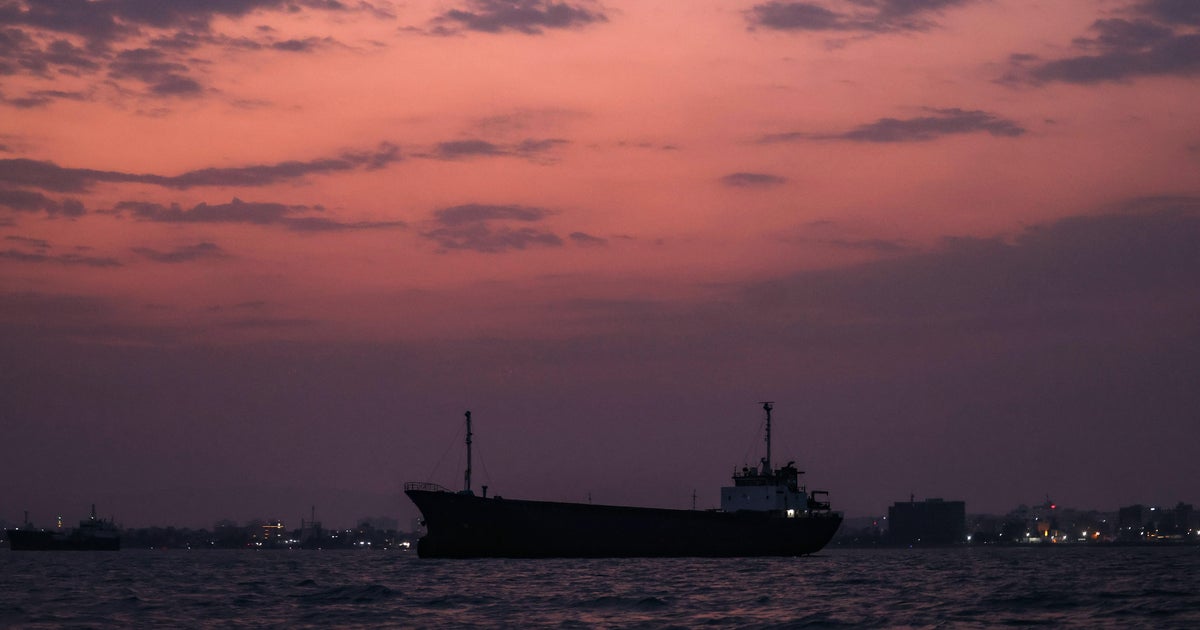
Tensions are escalating in the Middle East as Iran's navy reports several oil tankers have been damaged by sea mines in the Strait of Hormuz, blaming the U.S. for promoting unsafe routes. This comes as the U.S. military faces internal turmoil with a top general's dismissal for alleged leaks, and Qatar denies accusations of interfering in Israeli elections while reaffirming its mediati…
Imagine a very busy road where lots of big ships carry oil around the world. Iran says some ships hit hidden bombs in this road, and it's because the U.S. told them to use a dangerous path. But the U.S. says it cleared all the bombs and the road is safe. Also, a very important general in the U.S. army got fired because he might have shared secret information about the fight with Iran. And a country called Qatar says it's not trying to pick sides in another country's election, even though some people say it is.
Analysis
The Strait of Hormuz, a critical chokepoint for global oil shipments, is once again at the center of heightened tensions between Iran and the United States. Iran's navy has asserted that multiple oil tankers have been damaged by sea mines within the strait, specifically accusing these vessels of navigating through an 'illegal shipping lane' that Iran claims is promoted by the U.S. This narrative directly contradicts statements from U.S. Central Command (CENTCOM), which, through its chief Adm. Brad Cooper, previously insisted that primary shipping lanes had been 'meticulously and quietly' cleared of Iranian sea mines and were safe for commercial traffic. The conflicting claims underscore a dangerous information war alongside the physical incidents, with Iran's IRGC spokesperson Brig. Gen. Abolfazl Mohebi challenging CENTCOM to provide independent evidence for its demining operations, suggesting the reality is determined on the ground, not through media statements.
Pete Hegseth
Amidst these international developments, the U.S. Department of Defense is grappling with internal security concerns. Secretary of Defense Pete Hegseth has reportedly fired Lt. Gen. Brett Sylvia, the Pentagon's top military planner. This dismissal, confirmed by a Pentagon official to CBS News, follows accusations that Sylvia leaked classified information pertinent to the ongoing 'Iran war.' Such a high-profile dismissal of a senior military official for alleged security breaches is significant, potentially signaling a deeper vulnerability within the U.S. military's information apparatus. It also raises questions about the integrity of sensitive intelligence during a period of heightened geopolitical friction, potentially impacting strategic planning and operational security related to the Iran conflict.
Qatar's Denial
In a separate but related diplomatic thread, Qatar has vehemently denied allegations of interfering in Israeli elections. Foreign Ministry spokesman Majid al-Ansari dismissed claims by Israeli politicians, including President Benjamin Netanyahu, of Qatari funding influencing the election outcome as a 'disinformation campaign.' Al-Ansari emphasized that Qatar would not be a 'scapegoat' for Israeli domestic political failures and reiterated Doha's commitment to its role as a mediator between Iran and the U.S., as well as its broader diplomatic engagement and support for the Palestinian people. This denial highlights the complex web of regional politics, where accusations of foreign interference can further complicate already delicate mediation efforts and exacerbate existing tensions between various state and non-state actors in the Middle East.
Key points
- Iran's navy claims multiple oil tankers struck sea mines in the Strait of Hormuz, accusing them of using a U.S.-promoted illegal shipping lane.
- The U.S. Central Command (CENTCOM) maintains that the Strait of Hormuz's primary shipping lanes have been demined and are safe for commercial vessels.
- U.S. Secretary of Defense Pete Hegseth fired Lt. Gen. Brett Sylvia, the Pentagon's top military planner, over alleged leaks of classified information related to the Iran war.
- Vice President JD Vance has reportedly sought to restart peace negotiations with Iran, though President Trump frames it as an effort to deliver medical supplies.
- Qatar has denied allegations of interfering in Israeli elections, accusing Israeli politicians of a disinformation campaign, and reaffirmed its role as a mediator between Iran and the U.S.
Despite the escalating tensions, Vice President JD Vance's outreach to Iran's security chief Mohsen Rezaei, even if focused on medical supplies, could open a channel for broader peace negotiations. Qatar's continued commitment to mediation efforts between Iran and the U.S. also offers a diplomatic pathway to de-escalation and resolution of regional disputes.
The conflicting claims regarding sea mines in the Strait of Hormuz and the continued military posturing by both Iran and the U.S. could easily lead to miscalculation and direct military confrontation. The internal security breach within the Pentagon, with the firing of Lt. Gen. Brett Sylvia, could further destabilize U.S. strategic capabilities and decision-making during a critical period.
Market signals
- OIL Incidents involving oil tankers and sea mines in the Strait of Hormuz, a critical shipping chokepoint, increase supply-route risk and drive up crude oil prices.
AI-generated analysis of potential market relevance. Not financial advice.