Shushtar’s World Heritage value lies in its engineering system, not individual structures, official
Iran's Shushtar Historical Hydraulic System is valued for its integrated water management system rather than its individual components.
Intelligence analysis by Qwen 2.5 (3B)
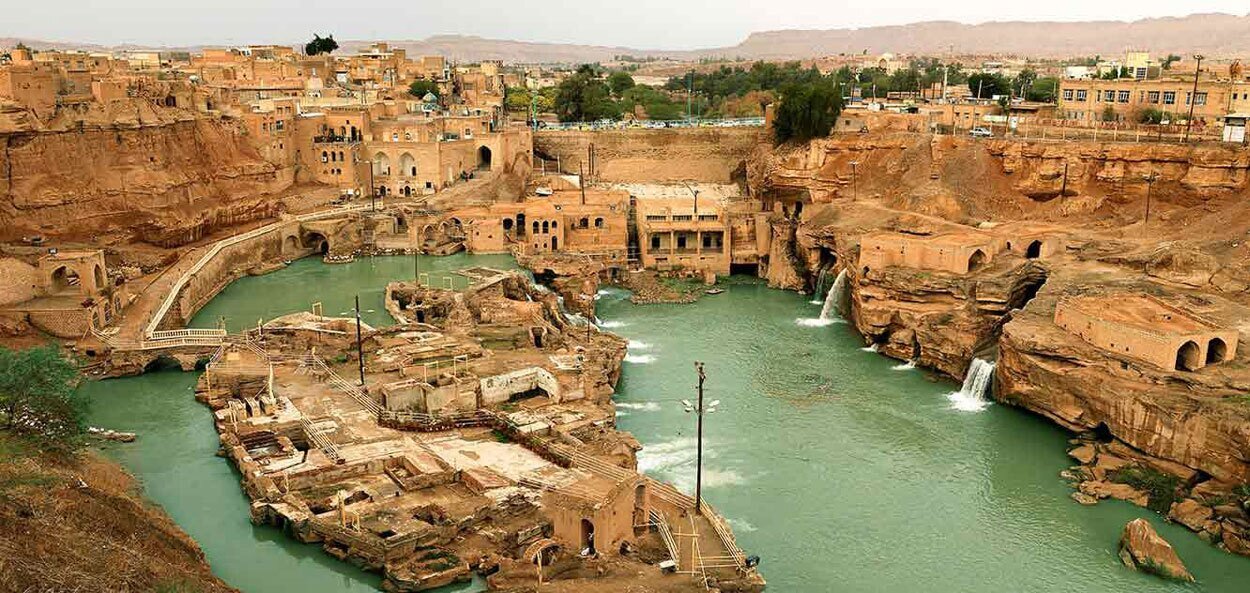
The Shushtar Historical Hydraulic System, inscribed as a UNESCO World Heritage site in 2009, is seen as more valuable for its engineering principles and functional relationship among its components than its separate structures.
The Shushtar Historical Hydraulic System is like a big water playground with lots of parts working together. It's not just about pretty bridges or old mills, but how all these parts work together to make sure everyone has clean water.
Analysis
{"# A $60B Vote of Confidence":"- The Shushtar Historical Hydraulic System has been inscribed as a UNESCO World Heritage site, indicating international recognition of its outstanding universal value.\n- This inscription marks the beginning of a long-term responsibility for conservation efforts rather than an end to them.\n- Preserving the hydraulic network's functional logic and interdependence is crucial for maintaining the site’s outstanding universal value.","# Why Cursor?":"- The Shushtar Historical Hydraulic System includes elements such as Band-i Mizan, Gargar Canal, underground tunnels, mills, water transfer networks, and waterfalls.\n- Each component contributes to a unified hydraulic network designed for urban development, agriculture, industry, and food security.\n- Understanding the system's value requires recognizing its integrated nature rather than focusing on individual structures.","# The Road Ahead":"- Conservation efforts must protect the hydraulic network’s functional logic and interdependence of components.\n- Interventions that ignore these relationships could weaken the site’s outstanding universal value.\n- Safeguarding the site should extend beyond physical preservation to preserving engineering principles and ideas."}
Key points
- Shushtar Historical Hydraulic System is valued for its integrated water management system rather than individual structures
- The site was inscribed as a UNESCO World Heritage site in 2009
- Preserving the hydraulic network's functional logic and interdependence is crucial for maintaining outstanding universal value
If the site continues to be recognized as World Heritage, it will serve as an inspiration for future generations and highlight Iran’s ancient engineering skills.
Ignoring the system's interconnectedness could lead to its degradation over time, diminishing its value and potential impact on modern society.