Sidi Ould Tah, Makhtar Diop, Jeremy Awori… In Luanda, African finance wants to convert profits into productive investments
The sixth Africa Financial Summit (AFIS) in Luanda aims to channel the continent's growing financial sector profits into productive investments, addressing the paradox of high banking revenues versus low lending to key economic sectors.
Intelligence analysis by Gemini 2.5 Flash
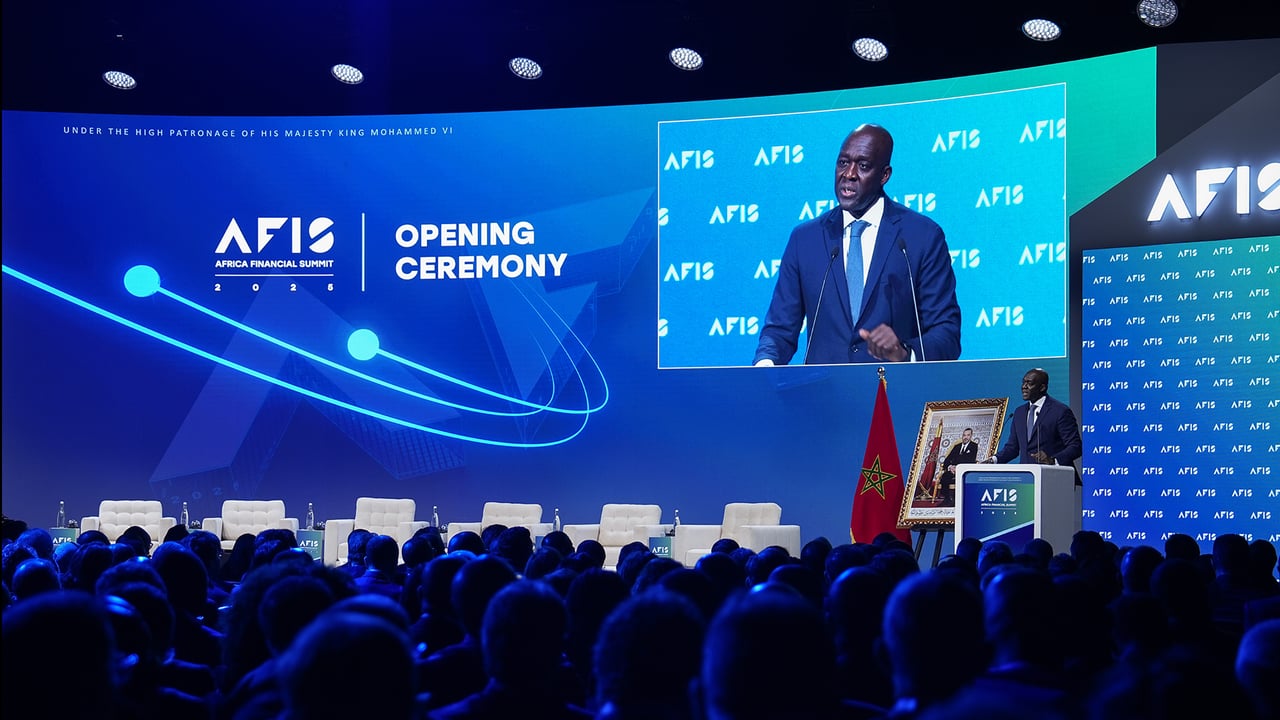
African financial leaders are convening in Luanda for the AFIS summit to tackle the challenge of mobilizing domestic capital for productive investments. Despite the continent's banking sector generating over $100 billion in revenues and a 19% return on equity in 2024, only about 30% of bank assets are allocated to loans, highlighting a significant gap in financing for critical areas l…
Imagine African banks are like big piggy banks that have collected a lot of money, over 100 billion dollars! But instead of using most of that money to help build new farms, roads, or businesses that create jobs, they're mostly keeping it safe. So, grown-ups are meeting in a city called Luanda to figure out how to use more of that money to build important things and help people get jobs, making Africa stronger and richer.
Analysis
The upcoming Africa Financial Summit (AFIS) in Luanda, Angola, represents a critical juncture for the continent's economic trajectory, aiming to bridge the gap between the robust profitability of its financial institutions and the persistent underfunding of its productive sectors. The summit, gathering over 1,250 participants including central bank governors and finance ministers, seeks to devise strategies for better mobilizing African capital internally, rather than relying predominantly on external sources.
100 Billion Dollars
The article highlights a striking paradox within Africa's financial landscape: in 2024, banking revenues on the continent surpassed an impressive $100 billion, accompanied by a healthy 19% return on equity. This figure underscores the significant financial power and profitability of African banks. However, despite this substantial financial success, a mere 30% of African banking assets are currently allocated to loans, according to figures presented by the AFIS organizers. This stark disparity indicates that a large portion of the capital generated by the financial sector is not being effectively channeled into the real economy, leaving critical sectors like small and medium-sized enterprises (SMEs), agriculture, and infrastructure with considerable financing deficits.
Amir Ben Yahmed
Amir Ben Yahmed, CEO of Jeune Afrique Media Group and founder of AFIS, succinctly articulated the core challenge: "The challenge now is to transform this power into investments that help businesses grow, create jobs, and finance the infrastructure our economies need." His statement encapsulates the summit's ambition to move beyond mere profitability towards tangible economic impact. The discussions at AFIS will delve into various mechanisms to achieve this, including enhancing the financing of SMEs, which are often the backbone of local economies, boosting agricultural investment for food security and rural development, and funding essential infrastructure projects that underpin broader economic growth. Furthermore, the agenda includes mobilizing institutional savings, fostering banking consolidation to create larger, more capable financial entities, and integrating capital markets to facilitate more efficient capital allocation across the continent.
Luanda
The choice of Luanda, Angola, as the host city for the sixth edition of AFIS is strategically significant. It marks the first time the summit will be held in Southern Africa and in a Lusophone country, a deliberate move to broaden the geographical representation and inclusivity of the event. This expansion reflects a continent-wide recognition that the challenge of financing growth is universal across Africa, transcending regional and linguistic divides. By bringing together diverse stakeholders from across the continent, including prominent figures like Makhtar Diop of IFC and Sidi Ould Tah of the African Development Bank, the summit aims to foster a collaborative environment where shared challenges can be addressed through collective ambition and partnership. The goal, as stated by Ethiopis Tafara, Regional Vice President for Africa at IFC, is to "mobilize capital on a large scale and open the next era of jobs and growth in Africa," signaling a concerted push towards a more self-reliant and productively invested African economy.
Key points
- The 6th Africa Financial Summit (AFIS) is being held in Luanda, Angola, on November 3-4.
- The summit aims to convert the African financial sector's profits into productive investments for growth and job creation.
- African banks generated over $100 billion in revenues in 2024 with a 19% return on equity, yet only about 30% of assets are loans.
- Key areas of focus include financing SMEs, agriculture, and infrastructure, as well as banking consolidation and capital market integration.
- This is the first time AFIS is held in Southern Africa and a Lusophone country, broadening its geographical representation.
If the AFIS summit successfully devises and implements strategies to channel banking profits into productive investments, it could significantly boost economic growth, create numerous jobs, and accelerate infrastructure development across Africa. This shift would reduce reliance on external financing and foster more self-reliant, sustainable economic models.
Despite the summit's ambitions, the persistent paradox of high banking profits versus low productive lending might continue if concrete, actionable mechanisms for capital mobilization and risk mitigation are not effectively established and adopted by financial institutions. This could leave critical sectors underfunded and hinder Africa's potential for inclusive growth.