SNP accused of ‘embezzling’ voters over Peter Murrell’s theft of party funds
Opposition leaders said Peter Murrell’s theft of SNP funds undermined John Swinney’s push for a new independence vote.
Intelligence analysis by GPT-5.4 Mini
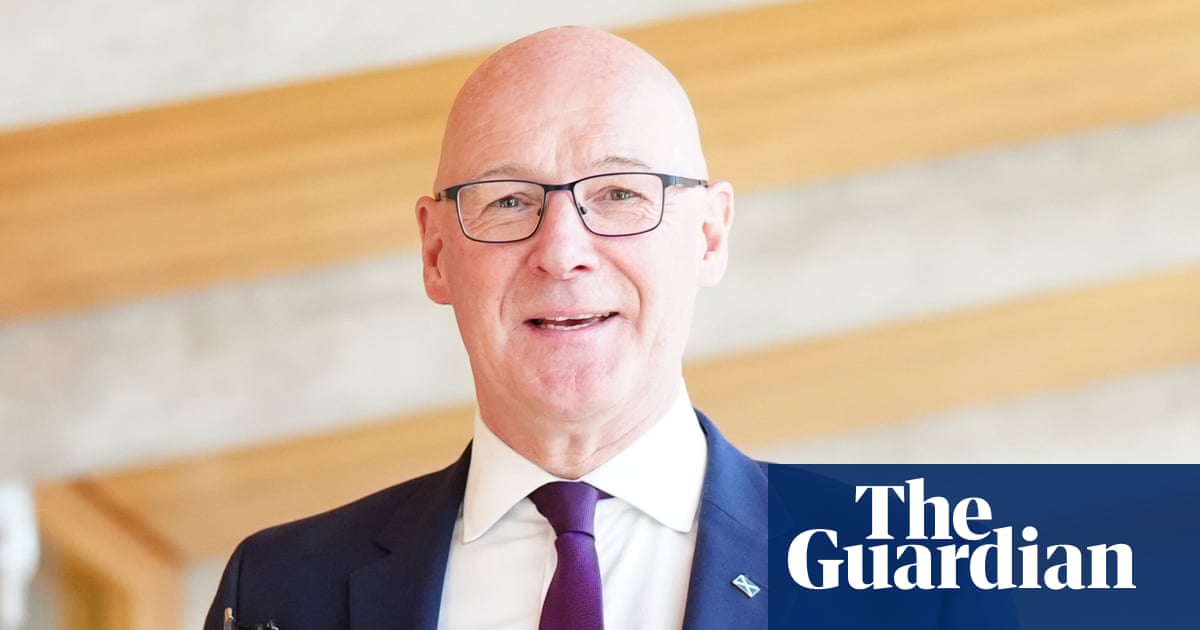
John Swinney used Holyrood’s first full day of business to press for a fresh independence referendum, but the debate was dominated by Peter Murrell’s guilty plea for embezzling more than £400,000 from SNP funds. Labour and Conservative नेताओं said the scandal exposed the party’s priorities and credibility.
Scotland’s leader, John Swinney, wanted lawmakers to back the idea of another vote on independence. That is like asking a class to vote again on whether they want to stay together or split into two groups.
But the talk got crowded out by a big money scandal. Peter Murrell, who used to run the SNP, admitted taking party money for himself. That made opponents say the party should not be asking for more power when it had mishandled its own money.
So the story is not just about one vote. It is also about trust: people are asking whether the party can be believed to run Scotland well if it could not properly guard its own funds.
Analysis
What happened
John Swinney brought a symbolic motion to Holyrood calling for the power to hold a new Scottish independence referendum. He framed it as a question of democratic rights and said Scotland should be able to decide its own future.
That effort was quickly overshadowed by the fallout from Peter Murrell’s guilty plea to embezzling £400,310.65 from SNP funds while he was the party’s chief executive. Opposition leaders used the scandal to attack the SNP’s judgment, priorities and credibility.
The political clash
Anas Sarwar said it was wrong for Swinney to focus on another independence push during global insecurity and a cost of living crisis. He argued the party should be concentrating on homes, growth and support for struggling families instead. In his view, Murrell’s theft gave voters clear evidence that the SNP put its own ambitions first.
Russell Findlay also mocked the timing of the debate and said Swinney could not claim the public should trust the SNP with Scotland’s finances after the party had failed to spot Murrell’s wrongdoing. He linked the episode to wider concerns about the party’s handling of internal warnings.
The debate also brought arguments over mandate politics. Ross Greer backed Swinney’s position and said the combined SNP and Green seats gave pro-independence forces a major majority in Holyrood. Conservative finance spokesperson Craig Hoy pushed back, saying pro-UK parties won more of the regional vote. The result was a debate about both national identity and trust in political leadership, with the embezzlement scandal hanging over everything.
Key points
- John Swinney introduced a symbolic Holyrood motion calling for the power to hold a new independence referendum.
- Opposition leaders said the SNP was distracted and out of touch while Scotland faces a cost of living crisis and wider instability.
- Peter Murrell pleaded guilty to embezzling £400,310.65 from SNP funds, and that scandal dominated the debate.
- Labour and Conservative leaders said the case showed the SNP put its own interests ahead of the public.
- Greens backed Swinney’s independence argument, while Conservatives disputed the claim that pro-independence forces had a majority mandate.

