‘Some aren’t going to make it’: how pressure on farmers threatens UK food security
UK farmers face immense pressure from soaring fuel and fertilizer costs, climate change impacts, and geopolitical shocks, threatening the nation's food security. Experts warn of government complacency regarding the vulnerability of British food supply chains.
Intelligence analysis by Gemini 2.5 Flash
British food producers are sounding alarms over the precarious state of the UK's food supply chains, citing rising input costs, extreme weather, and a concentrated distribution network. Despite calls from various bodies to treat food as a national security issue, many experts accuse the government of complacency, highlighting the potential for widespread disruption.
Imagine your lunchbox is filled with yummy food, but the farmers who grow it are having a really tough time. Their fuel for tractors costs way more, and the special plant food they use is super expensive. Plus, the weather has been too hot and dry, making it hard for crops to grow. This means some farmers might have to stop, and it could make it harder for everyone in the UK to get enough food, especially if something big goes wrong, like a big storm or a problem far away.
Analysis
The UK's food security is under severe strain, with farmers at the forefront of a multi-faceted crisis. The confluence of escalating input costs, adverse climate conditions, and geopolitical instability is pushing many agricultural businesses to the brink, raising serious questions about the nation's ability to feed itself.
Jamie Burrows
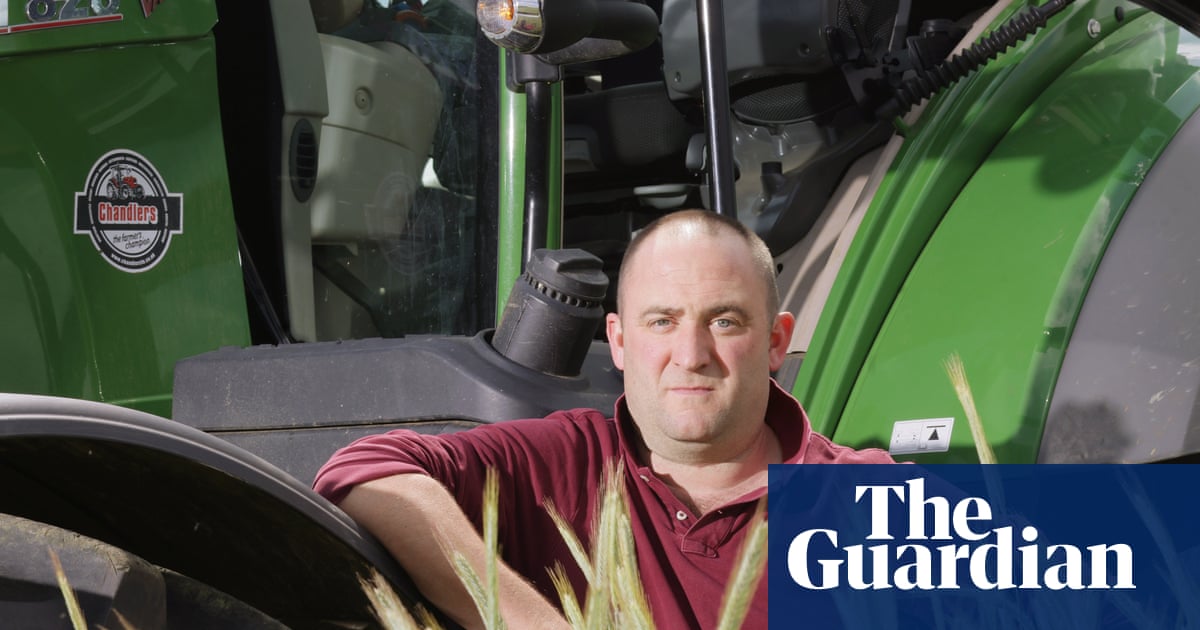
Jamie Burrows, a prominent arable farmer and chair of the National Farmers’ Union crops board, articulates the immediate financial pressures crippling the sector. He highlights the near doubling of red diesel costs since the conflict in Iran began, alongside a 20% surge in fertilizer prices. These dramatic increases directly impact farmers' ability to finance essential crop cultivation, leading Burrows to grimly conclude that "Some of these businesses aren’t going to make it." This sentiment underscores the fragility of individual farm operations, which are the foundational link in the entire food production chain.
Beyond financial burdens, farmers like Burrows are also grappling with the tangible effects of climate change. The UK's hottest summer on record brought successive heatwaves and drought, resulting in England's worst recorded cereals harvest. This combination of economic and environmental challenges creates an unsustainable operating environment, threatening the livelihoods of experienced producers and potentially leading to a significant reduction in domestic food output.
National Audit Office
The vulnerability of the UK's food system extends beyond the farm gate, drawing scrutiny from public bodies and experts alike. The National Audit Office (NAO), the public spending watchdog, has identified significant shortcomings in the government's catastrophe planning exercises. Specifically, the NAO found that the Department for Environment, Food and Rural Affairs (Defra) largely excluded food supply chain businesses from its last major planning exercise, indicating a critical oversight in national preparedness.
This finding reinforces broader accusations of government complacency regarding food as a national security matter. Over 150 food experts and academics have collectively warned ministers about the lack of a comprehensive plan to feed the population in an emergency. While the Cabinet Office has launched a campaign encouraging households to stock up on non-perishable foods, critics argue this individual preparedness initiative does not address the systemic issues or the need for a robust national strategy to ensure food resilience in the face of multiple, simultaneous crises.
131 distribution hubs
The structural weaknesses of the UK's food supply chain are further exposed by its concentrated distribution network. Professor Tim Lang of the Centre for Food Policy points out that the entire UK supermarket network, serving 12,300 stores, relies on just 131 distribution hubs. This high degree of centralization creates a single point of failure, making the entire system highly susceptible to disruption from geopolitical shocks, energy outages, or cyber-attacks.
Furthermore, the Cold Chain Federation has highlighted that most of Britain’s food imports enter through only four major ports: Dover, Felixstowe, Southampton, and London Gateway. This reliance on a limited number of entry points and distribution centers contrasts sharply with the preparedness of other nations, such as Scandinavian countries, which maintain strategic food stockpiles and focus on community-level responses. The UK government, having wound up its strategic food stockpile in the 1990s, appears less prepared for large-scale emergencies, exacerbating the risks posed by a concentrated and import-dependent food system.
Key points
- UK farmers face rapidly increasing costs for red diesel and fertilizers, threatening their financial viability.
- The UK experienced its worst recorded cereals harvest due to extreme heatwaves and drought conditions.
- Experts and public bodies, including the National Audit Office, warn of government complacency regarding food security.
- Britain produces only about 60% of its food and is highly dependent on imports, making it vulnerable to global disruptions.
- The UK's food distribution network is highly concentrated, with just 131 hubs supplying supermarkets and most imports entering through four ports.
There are signs that Andy Burnham’s government is beginning to acknowledge the threats to Britain’s food system more seriously, with the Cabinet Office launching a campaign to encourage household preparedness. This shift in focus, alongside parliamentary inquiries into supply chain resilience, could lead to more robust national strategies and investments in agricultural stability.
The current pressures could force many farming businesses to fail, leading to reduced domestic food production and increased reliance on imports, making the UK more vulnerable to global shocks. Experts warn that government complacency and a lack of a comprehensive plan for emergencies could result in significant food shortages and economic instability during future crises.