Southeast Asian startups face structural roadblocks
Southeast Asian startups struggle with openness, bureaucracy, and capital shortages.
Intelligence analysis by Qwen 2.5 (3B)
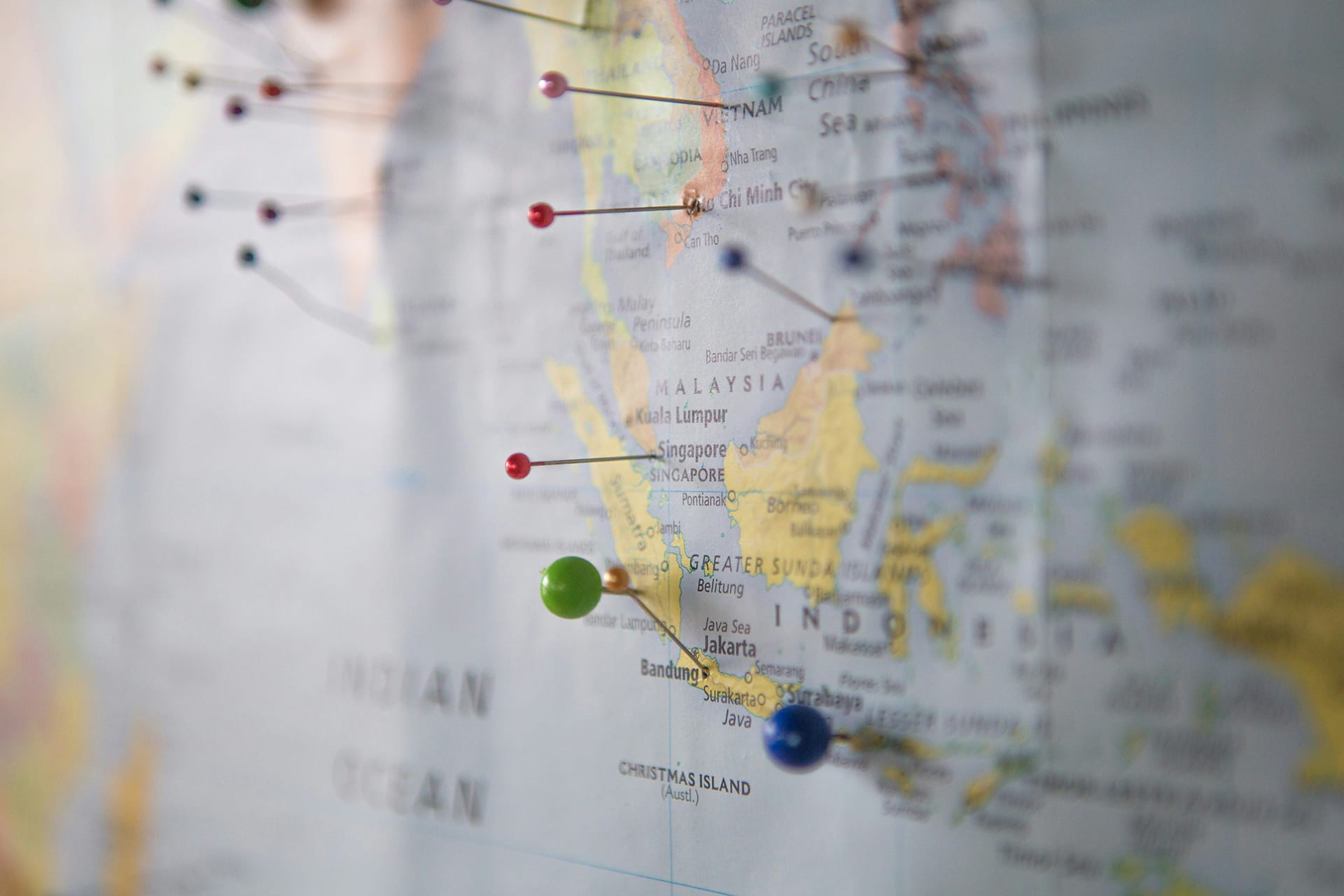
Southeast Asian startups face structural challenges including lack of openness to foreign entrepreneurs, unpredictable legal regimes, and capital shortages.
Southeast Asian startups have trouble because they're mostly focused on their own countries, not the whole world. They also have hard-to-understand rules and not enough money to grow.
Analysis
Lack of Openness to Foreign Entrepreneurs
James Tan, managing partner at Quest Ventures, notes that Southeast Asian startups only function within the key economies of the region. This contrasts with startups in Silicon Valley, which aim to serve the global market.
Singapore's Advantage
Singapore stands out as the exception, with nearly 60% of the region's unicorns listed there. This is partly due to its large foreign population and the presence of foreign founders.
Foreign Founders' Challenges
Foreign founders often find it difficult to establish relationships and gain local market knowledge, leading to a cap table dominated by local investors and incubators.
Unpredictable Legal Regimes
Legal regimes in countries like Thailand are described as complex and unpredictable, making it difficult for foreign entrepreneurs to navigate and prepare for the process.
Regulatory Burden
The Board of Investment in Thailand can offer generous tax incentives and full foreign ownership, but the overall process can take up to a year if applicants are not adequately prepared.
Incorporation Preferences
Many startups choose to incorporate in Singapore or Hong Kong to simplify international expansion and fundraising, despite the challenges of navigating local regulations.
Capital Shortages
Even at its peak in 2021, the Southeast Asian startup ecosystem was narrow, with a majority of unicorns incorporated in Singapore and Indonesia. This limits the potential for growth and expansion.
Key points
- Southeast Asian startups are mostly focused on their own countries, not the whole world.
- They face unpredictable legal regimes and not enough money to grow.
- Many startups choose to incorporate in Singapore or Hong Kong to simplify international expansion and fundraising.
With more support and better regulations, Southeast Asian startups could become more successful and help their countries grow.
If these challenges persist, Southeast Asian startups might not be able to grow as much as they could.