Students could be required to pass GCSE English to access university loans
Ministers consider requiring students to pass GCSE English to access university loans, affecting over 30,000 students without formal qualifications. Critics say this would harm students from poorer backgrounds and non-traditional backgrounds.
Intelligence analysis by Llama 3.3 70B
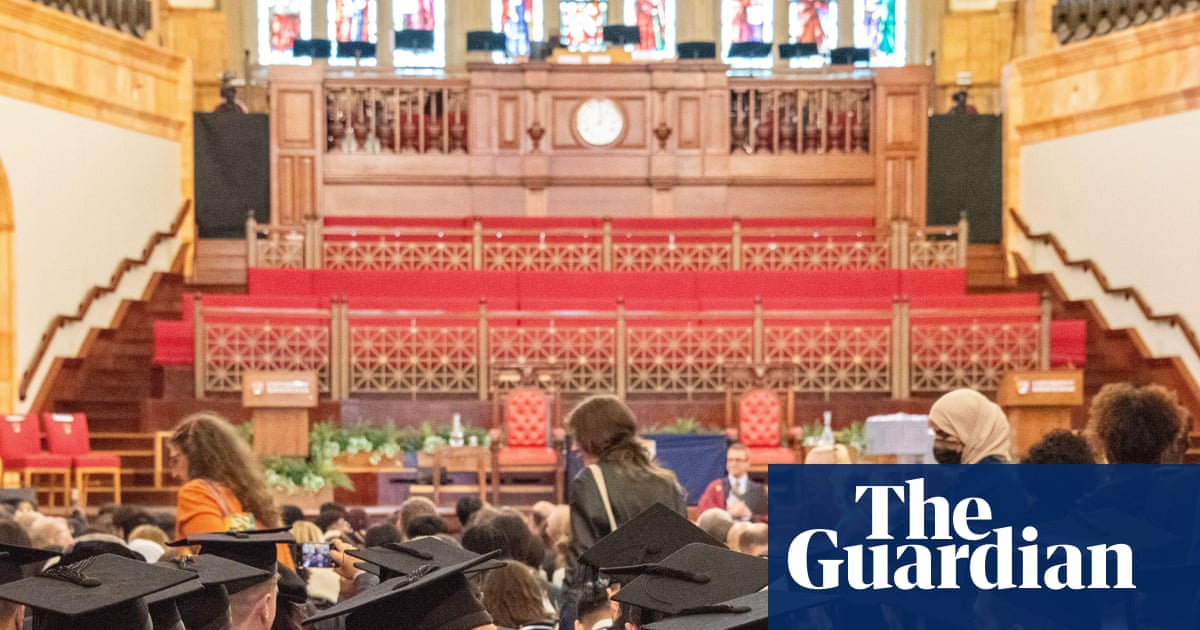
The proposal would introduce a national threshold for students to access government-backed tuition and maintenance loans, potentially barring thousands from higher education.
Imagine you want to go to university, but you didn't do very well in your GCSEs. The government is thinking about making it harder for people like you to get a loan to pay for university. This could make it difficult for some people to go to university, especially those who didn't do well in school.
Analysis
English Language Requirement Proposal, the government is considering introducing a national threshold for students to access university loans, which would require them to pass GCSE English. This proposal has sparked controversy, with critics arguing that it would disproportionately affect students from poorer backgrounds and non-traditional backgrounds. According to Rachel Hewitt, chief executive of the MillionPlus group, universities already have their own checks to ensure learners can meet English language requirements on their courses and will not take on students they are not confident can succeed. The proposal has been pitched within Whitehall as an English language requirement, similar to those required for international students. However, it would also serve as a de facto admissions standard by cutting off access to finance. ## Impact on Universities and Students, the introduction of a national threshold could have significant implications for universities and students. More than 30,000 domestic students each year enrol on full-time courses without formal qualifications such as GCSEs, and this proposal could potentially bar them from accessing university loans. This could lead to a decline in student numbers and revenue for universities, particularly those that teach large numbers of students without formal qualifications. The threat of minimum entry requirements comes as the government is preparing to cut its teaching grant for university courses in England by a further £100m. ## Balancing Entry Requirements and Flexibility, Libby Hackett, the chief executive of the Russell Group, has called for the government to work with the higher education sector to balance the introduction of minimum entry requirements with flexibility for trusted institutions. This would allow universities to determine equivalent entry routes for mature students and those from underrepresented backgrounds. The Department for Education has stated that it is restoring world-class universities as engines of opportunity, aspiration, and growth, and that it is cracking down on poor-quality courses to ensure students get value for money from university degrees. However, critics argue that the proposal would harm students from poorer backgrounds and non-traditional backgrounds, and that it would limit opportunities for social mobility.
Key points
- Ministers consider requiring students to pass GCSE English to access university loans
- Over 30,000 students without formal qualifications could be affected
- Critics say this would harm students from poorer backgrounds and non-traditional backgrounds
If the government works with universities to introduce flexible entry requirements, it could lead to more students from disadvantaged backgrounds being able to access higher education. This could increase social mobility and provide more opportunities for people from all backgrounds to succeed.
The introduction of a national threshold could lead to a decline in student numbers and revenue for universities, particularly those that teach large numbers of students without formal qualifications. This could have a negative impact on the higher education sector and limit opportunities for social mobility.