Supreme Court Orders Restoration of Metro, Internet Services in Delhi; Questions Detention of 7,000 Protesters
The Supreme Court of India has ordered the immediate restoration of metro services and internet in Delhi, while issuing a notice to authorities regarding the detention of over 7,000 protesters during a demonstration by the Cockroach Janata Party.
Intelligence analysis by Gemini 2.5 Flash
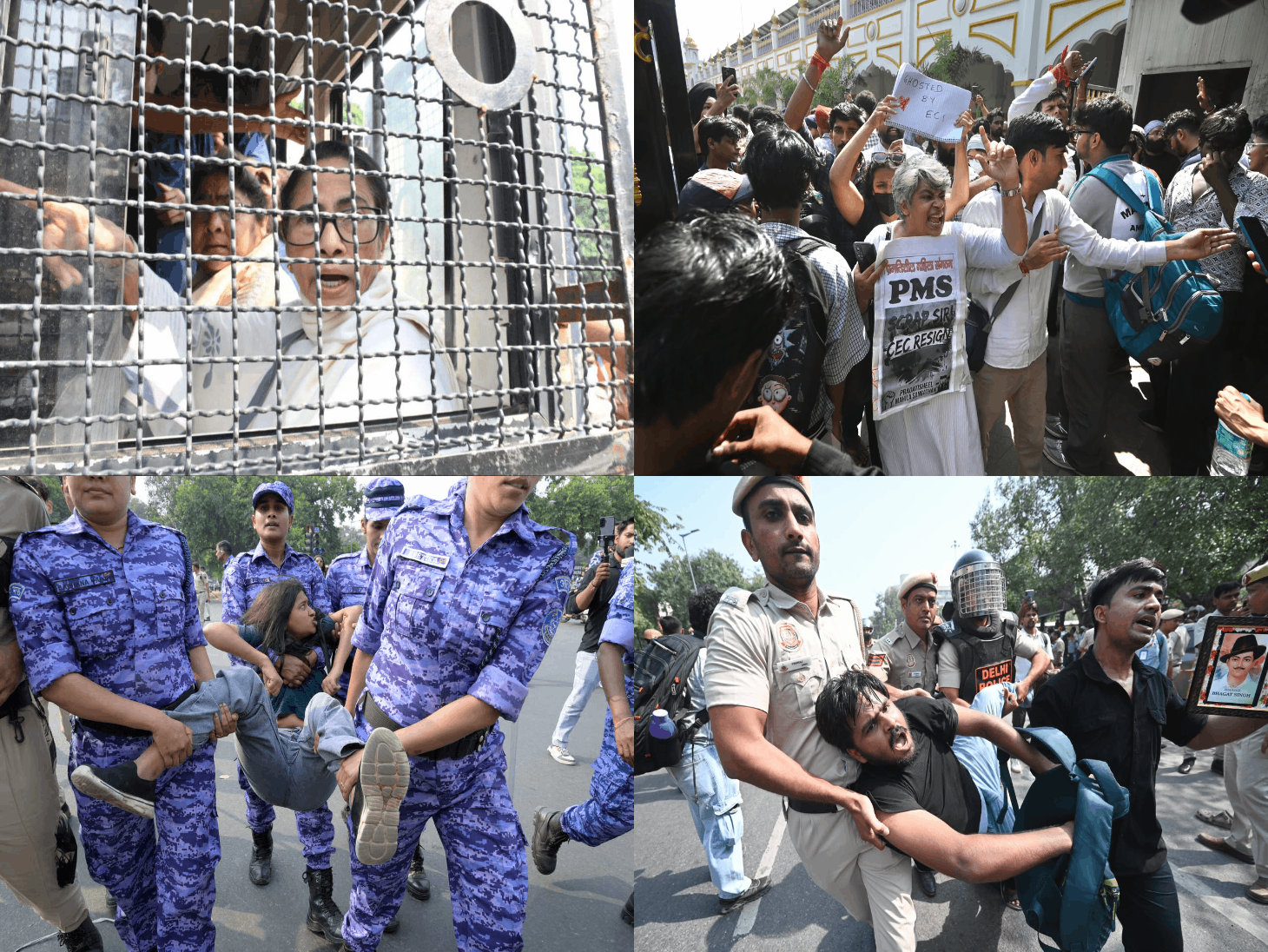
Following a large-scale protest by the Cockroach Janata Party and Left against the Chief Election Commissioner, Delhi Police implemented extensive restrictions, including metro closures, internet shutdowns, and mass detentions. The Supreme Court intervened, asserting citizens' right to peaceful protest and demanding accountability from authorities for alleged constitutional rights vio…
Imagine you and your friends want to tell the grown-ups about something important, but the grown-ups close all the roads and turn off your phones so you can't even get there. That's kind of what happened in Delhi when a group wanted to protest. The police stopped trains and internet, and took many people away. But then, a very important court, like a super-referee, stepped in and said, 'Hey, everyone has a right to speak up peacefully, and you can't just shut everything down like that!' Now, the court wants answers from the police about why they did what they did.
Analysis
Cockroach Janata Party
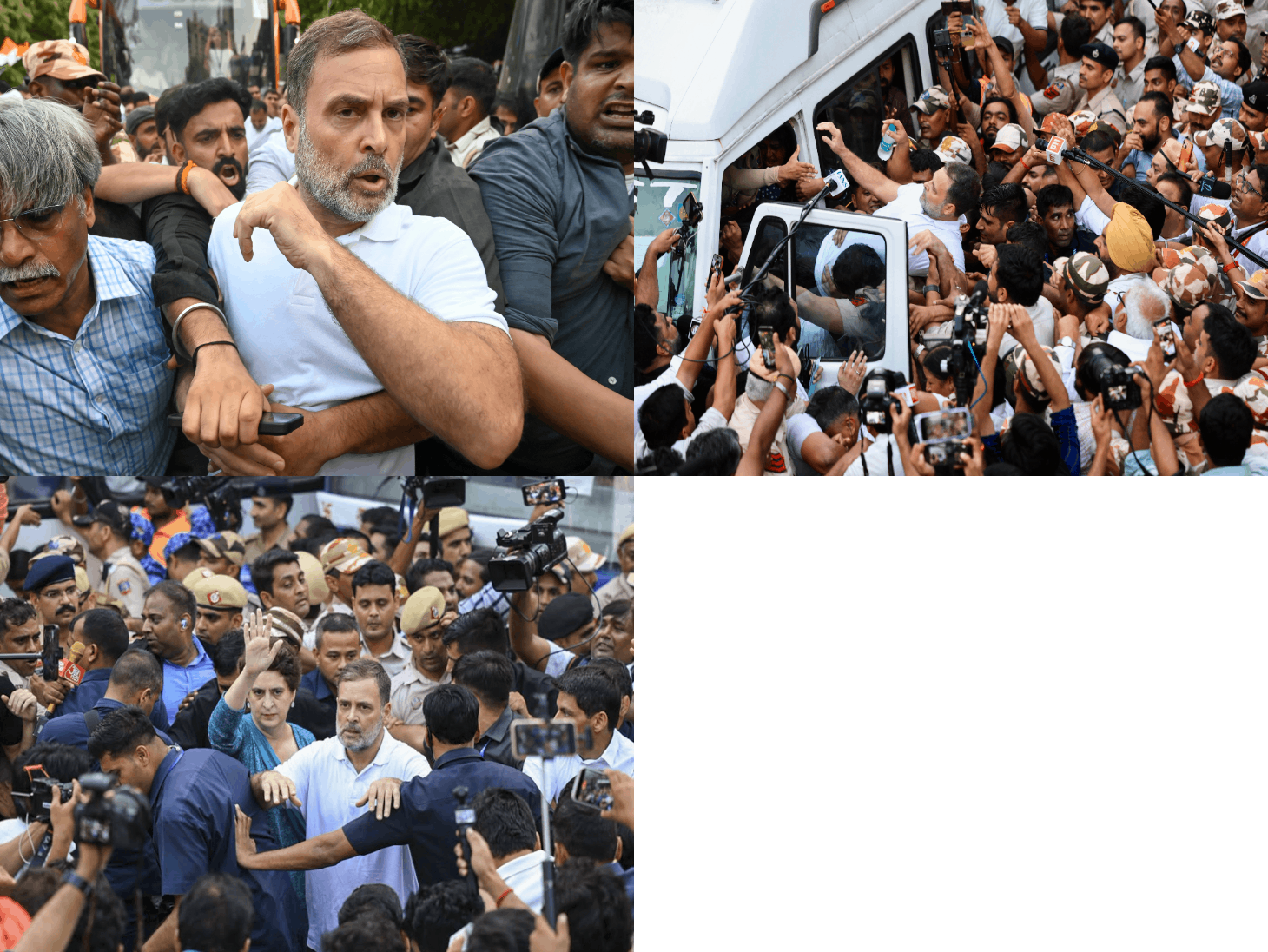
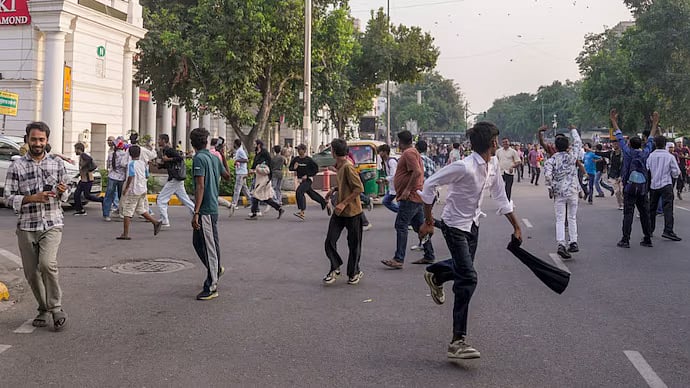
The Cockroach Janata Party, alongside the Left, had organized a protest on October 10 against Chief Election Commissioner Gyanesh Kumar and SIR. Despite Delhi Police denying permission, the demonstration proceeded, leading to significant disruptions across the capital. Police barricaded parts of the city, halted metro train services, and reportedly detained over 7,000 individuals involved in the protest.
These actions prompted a special bench of the Supreme Court to hear petitions challenging the restrictions. The Court explicitly directed that metro services should operate normally, internet access should not be disrupted, and the free movement of people should not be impeded. This directive came after petitioners alleged that a prior Supreme Court order from October 9, which advised against completely stopping metro and train movement due to protests, had been violated.
Article 19(1)(a)
During the Supreme Court hearing, senior advocates representing the petitioners, including Kapil Sibal, strongly invoked Article 19(1)(a) of the Constitution, which guarantees citizens the right to peaceful protest. They argued that the police actions unlawfully prevented protesters from reaching designated demonstration sites, thereby infringing upon their fundamental rights. The lawyers also highlighted allegations of police misconduct, such as officers operating without name badges and using force against demonstrators.
Justice Joymalya Bagchi, presiding over the bench, acknowledged the constitutional right to protest but also emphasized that its exercise must remain within the bounds of the law. He clarified that Article 19(2) permits reasonable restrictions on fundamental rights for reasons like public order, but these restrictions should not amount to a complete ban. The Court's stance underscored the necessity of balancing state authority with the protection of individual liberties, ensuring that security measures do not disproportionately suppress democratic expression.
7,000 Protestors
The petitions brought before the Supreme Court focused not just on the detention of a few prominent leaders, but on the alleged mass detention of approximately 7,000 individuals across Delhi. Senior advocate Menaka Guruswamy stressed that the case was fundamentally about the constitutional rights of these numerous citizens. Allegations included the detention of individuals traveling from outside Delhi to join the protest, raids on some homes, and the seizure of mobile phones from protesters, raising concerns about sensitive personal data.
Justice Bagchi indicated that the Court would investigate allegations of official misconduct and the use of force by police. He firmly stated that law enforcement cannot prioritize maintaining order above the fundamental rights of citizens. The Supreme Court issued a notice to Delhi authorities, demanding a detailed response by Tuesday regarding the detentions and police actions, signaling a serious judicial review of the state's handling of the protest and its implications for civil liberties.
Key points
- The Supreme Court ordered the immediate restoration of metro services and internet in Delhi.
- A notice was issued to Delhi authorities, demanding a response by Tuesday regarding the detention of over 7,000 protesters.
- The Court emphasized citizens' constitutional right to peaceful protest under Article 19(1)(a), while acknowledging reasonable restrictions for public order.
- Petitioners alleged violations of a prior Supreme Court order, police misconduct, and the use of force against protesters.
- The Court stated that police cannot override citizens' rights in the name of maintaining law and order.
The Supreme Court's swift intervention and clear directives to restore public services and question mass detentions signal a strong commitment to upholding constitutional rights. This could reinforce public trust in the judiciary as a guardian of civil liberties and deter future instances of excessive state force during peaceful protests.
Despite the Supreme Court's orders, there remains a risk that authorities might not fully comply or could find new ways to restrict protests in the future. If the investigation into police actions does not lead to accountability, it could embolden law enforcement to continue overstepping their bounds, potentially eroding the right to peaceful assembly.