Suspected mass bird flu deaths found in second state as Murray Watt warns ‘this is the beginning’
Suspected mass bird flu deaths have been detected in a second Australian state, Victoria, following confirmed outbreaks in South Australia, prompting federal environment minister Murray Watt to warn of a "long and difficult journey" ahead for wildlife.
Intelligence analysis by Gemini 2.5 Flash
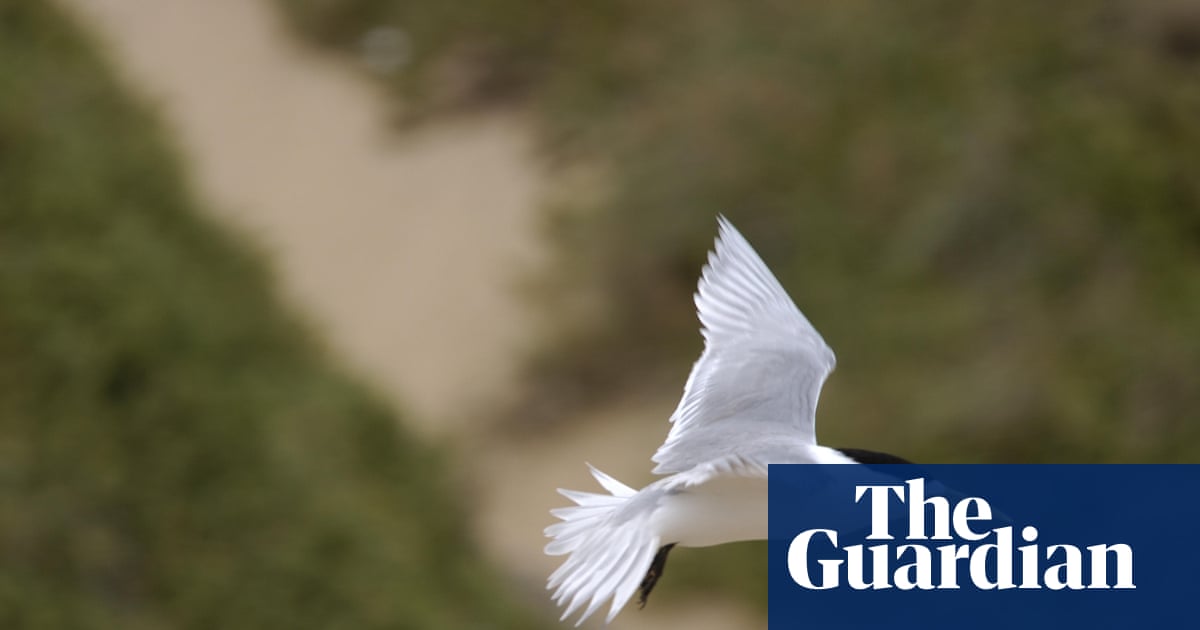
Australia is facing a significant escalation of the deadly H5 bird flu, with mass mortality events now confirmed in South Australia and suspected in Victoria. The virus, which has devastated global wildlife, is spreading rapidly among native birds, leading the environment minister to caution that this is likely just the beginning of a challenging period for the country's ecosystems.
Imagine a very bad cold that's spreading quickly among wild birds in Australia, making many of them sick or causing them to die. It started in one area, and now it looks like it's spreading to another, making grown-ups worried because it's hard to stop birds from flying around and sharing germs. The government says this is just the start of a tough time for the animals.
Analysis
H5 Bird Flu Spreads Across Australian States
Australia is grappling with a significant escalation of the deadly H5 bird flu, with suspected mass mortality events now confirmed or observed in two states. The initial confirmation came from Baudin Rocks off South Australia's coast, where CSIRO analysis identified Australia's first mass mortality event involving approximately 50 dead and 30 sick birds, primarily greater crested terns and silver gulls. This development follows earlier individual detections of the H5 virus in Victoria, signaling a concerning shift from isolated cases to widespread outbreaks among wild bird populations.
Hours after the South Australian confirmation, Victorian authorities reported aerial observations of a "cluster" of dead and sick greater crested terns in the Glenelg River estuary and Lawrence Rocks in the state's south-west. If samples from these Victorian birds test positive, it would mark the second confirmed mass mortality event, underscoring the rapid geographical spread of the highly pathogenic avian influenza. The disease's presence in these critical ecological zones, including internationally significant wetlands like the Coorong and Discovery Bay, raises alarms for diverse waterbird and migratory species.
A 'Long and Difficult Journey' Ahead
Federal environment minister Murray Watt has issued a stark warning, stating that Australia has embarked on "a long and difficult journey" regarding the impacts of bird flu on wildlife. He emphasized the inevitability of more mass mortality events, acknowledging the inherent challenge of containing a virus that spreads through wild, migratory birds. Watt's candid assessment aims to prepare the public for the ongoing and potentially escalating crisis, highlighting that the disease's natural transmission vectors make complete eradication in wild populations extremely difficult.
Despite the grim outlook, the minister noted efforts to build the resilience of native bird and mammal populations. This proactive approach, while not preventing the spread, aims to mitigate the severity of outbreaks and protect vulnerable species. However, the confirmed case in a petrel found in the Coorong, a large wetland area, is particularly concerning as it indicates the virus is moving from seabirds into areas frequented by nesting waterbirds, potentially expanding its ecological footprint and making containment even more complex.
Ecological Concerns and Containment Challenges
The spread of H5 bird flu into Australia's internationally significant wetlands, such as the Coorong and Discovery Bay, poses a severe threat to biodiversity. These areas are vital breeding grounds and safe havens for numerous waterbird and migratory species, many of which are already under pressure from other environmental factors. The confirmed presence of the virus in these ecosystems could lead to devastating population declines, disrupting delicate ecological balances and potentially impacting the broader food web.
The challenge of containing the virus is compounded by the migratory nature of many affected species. Birds can carry the virus over vast distances, making it difficult to track and control its spread across state borders and beyond. While surveillance efforts, including aerial observations and sample testing, are crucial for monitoring the situation, the minister's warning underscores the limitations of human intervention in preventing the natural movement of wild animals. The focus now shifts to understanding the full extent of the spread and implementing strategies to support affected populations and prevent further ecological damage.
Key points
- Mass bird deaths, suspected to be from H5 bird flu, have been detected in Victoria, making it the second Australian state affected.
- CSIRO confirmed Australia's first mass mortality event at Baudin Rocks, South Australia, involving about 50 dead and 30 sick birds.
- Federal environment minister Murray Watt warned of a "long and difficult journey" ahead for wildlife, anticipating more mass mortality events.
- The virus has been detected in new locations, including a petrel in the Coorong, an internationally significant wetland, raising concerns for waterbird populations.
- Authorities are conducting aerial and ground surveillance, with samples from Victorian birds awaiting confirmation.
Despite the challenging situation, the federal environment minister noted ongoing efforts to build the resilience of native bird and mammal populations, which could help mitigate the long-term impacts of the disease. Continued surveillance and proactive measures might help protect some vulnerable species and ecosystems.
The environment minister warned that this is likely "the beginning of what is likely to be a long, difficult journey" with more mass mortality events expected. The virus's spread into internationally significant wetlands and among waterbirds suggests a high risk of widespread ecological devastation.

