Tata Motors to Hike Vehicle Prices by up to Rs 25,000 from September 1
Tata Motors announced a price increase of up to Rs 25,000 for all its passenger vehicles, including both electric (EV) and internal combustion engine (ICE) models, effective September 1st.
Intelligence analysis by Gemini 2.5 Flash
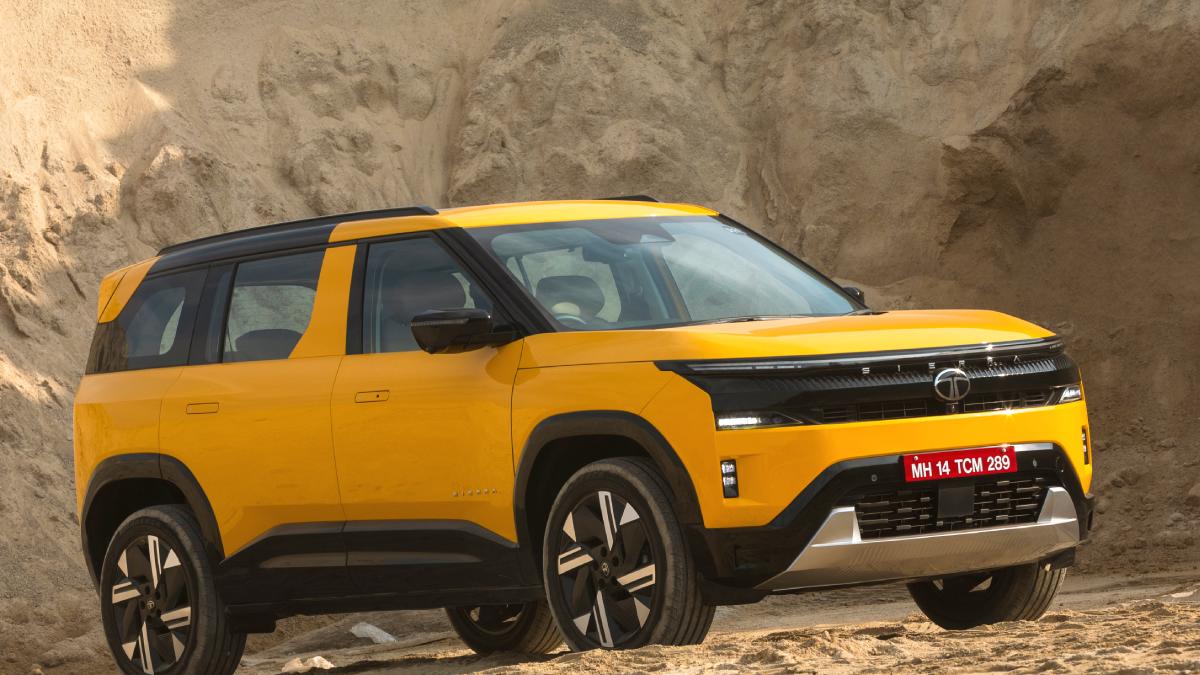
India's largest electric vehicle manufacturer, Tata Motors, is implementing its third price hike of 2026 across its entire passenger vehicle portfolio. The company attributes the increase, which will be up to Rs 25,000 per model, to persistent inflationary pressures, escalating manufacturing expenses, particularly for EV batteries, and adverse foreign exchange rate movements, aiming t…
Tata Motors is making its cars and electric vehicles a bit more expensive, up to 25,000 rupees more, starting September 1st. This is because it costs them more money to build the cars now, like how your favorite toy might cost more if the parts become pricier. They also said the special batteries for electric cars are costing a lot more, and money exchange rates are tricky.
Analysis
Tata Motors' decision to increase vehicle prices by up to Rs 25,000, effective September 1, marks the third such hike in 2026 alone, signaling persistent economic pressures on the automotive industry. The company, a dominant player in India's electric vehicle segment, is passing on a portion of its increased operational burden to consumers. This move affects its entire passenger vehicle lineup, encompassing both traditional internal combustion engine (ICE) models and its growing portfolio of electric vehicles.
Manufacturing Costs
The primary justification provided by Tata Motors for this price adjustment is the significant increase in manufacturing costs. The article highlights that rising production expenses have begun to impact the company's profitability, necessitating a recalibration of pricing strategies. This trend is not unique to Tata Motors but reflects a broader challenge faced by manufacturers globally, where supply chain disruptions, raw material price volatility, and increased labor costs contribute to a higher cost of production. For a company operating in a competitive and price-sensitive market like India, absorbing these costs entirely is unsustainable, leading to the inevitable decision to raise prices.
EV Battery Prices
A particularly salient point in Tata's explanation is the substantial increase in electric vehicle battery prices. The company explicitly states that EV battery costs have surged by approximately ten percent in recent months, significantly impacting the overall production cost of electric vehicles. As India's largest EV manufacturer, Tata Motors' profitability is closely tied to the cost efficiency of its electric vehicle production. The rising cost of batteries, a critical component of EVs, poses a direct threat to the affordability and market penetration of electric vehicles, making price adjustments a necessary measure to maintain financial viability and continue investment in this burgeoning segment.
Foreign Exchange
Another crucial factor contributing to the September price hike, as cited by Tata Motors, is the fluctuation in foreign exchange rates. Changes in currency exchange values can significantly affect the cost of imported components and raw materials, which are integral to vehicle manufacturing. A depreciating rupee or unfavorable exchange rate movements can inflate import bills, thereby increasing the overall production cost. By passing on a small percentage of this impact to customers, Tata Motors aims to mitigate the financial strain caused by these external economic variables, ensuring that the company can navigate the complexities of international trade and maintain its operational stability.
Key points
- Tata Motors will increase prices for all passenger vehicles from September 1.
- The price hike will be up to Rs 25,000, affecting both ICE and EV models.
- Rising manufacturing costs, inflationary pressures, and foreign exchange fluctuations are cited as reasons.
- EV battery prices have increased by approximately 10% in recent months.
- This marks the third price increase by Tata Motors for passenger vehicles in 2026.
The price hike, if effectively managed, could help Tata Motors maintain its profit margins amidst rising input costs, allowing for continued investment in R&D and new model development, which could benefit consumers in the long run with better products and technological advancements.
Frequent price increases could deter potential buyers, especially in a price-sensitive market like India, potentially slowing down vehicle sales and impacting the adoption rate of electric vehicles, which are already perceived as more expensive.