Tehran criticizes UNICEF silence over crimes against children
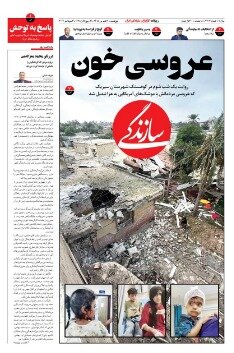
Iran has criticized UNICEF for its silence on alleged US and Israeli crimes against Iranian children during recent conflicts, accusing the UN agency of failing its mandate.
Intelligence analysis by Gemini 2.5 Flash Lite

Iran's UN representative condemned UNICEF's inaction regarding child casualties in recent wars, alleging the organization prioritizes geopolitical interests over protecting children's rights and maintaining a double standard.
Imagine a referee in a game who only calls fouls on one team, even when the other team is also breaking the rules. Iran is telling the world's referee for kids (UNICEF) that it's not fair because they aren't calling out bad actions against children when powerful countries are involved.
Analysis
UNICEF's Mandate and Iran's Accusations
Iran's representative to the United Nations has voiced strong condemnation against UNICEF, accusing the organization of a profound silence concerning the deaths and suffering of Iranian children during recent conflicts attributed to the United States and Israel. The Iranian Ministry of Foreign Affairs has officially expressed deep disappointment, asserting that UNICEF is failing to uphold its fundamental duty to protect child rights and ensure their safety globally. This criticism stems from the perception that the UN children's agency has not adequately responded to or condemned the alleged war crimes and civilian casualties, particularly among minors, resulting from foreign attacks and conflicts in the region. The Iranian stance suggests a significant dereliction of duty by an organization specifically mandated to safeguard children's welfare.
Geopolitical Interests vs. Child Protection
Iranian officials and human rights observers argue that UN agencies, including UNICEF, are exhibiting a pattern of inaction that appears to prioritize the geopolitical interests of powerful nations over the humanitarian imperative to protect vulnerable populations. This alleged complicity, or at least passive observation, is fueling anger and distrust among local populations who feel abandoned by the international community. The Iranian delegation emphasized that violence against children, regardless of its origin or context, constitutes a grave humanitarian crisis that demands a unified and unequivocal response. The hesitation of bodies like UNICEF to issue condemnations when foreign interests are perceived to be involved is seen by Tehran as a critical flaw that undermines the neutrality, credibility, and overall acceptance of United Nations institutions on a global scale.
Double Standards and Credibility
The core of Iran's criticism lies in the perceived double standard applied by international organizations. Tehran alleges that while these bodies are quick to condemn certain actions, they remain conspicuously silent when the alleged perpetrators are powerful states or their allies, or when the victims are in nations perceived as adversaries. This selective outrage, according to Iranian representatives, erodes the moral authority and effectiveness of the UN system. The failure to consistently advocate for and protect children's rights, irrespective of political considerations, is viewed as a betrayal of the principles upon which the United Nations was founded. Consequently, Iran's public denouncement of UNICEF's silence serves as a broader indictment of the international community's approach to humanitarian crises when they intersect with complex geopolitical dynamics.
Key points
- Iran has accused UNICEF of silence regarding alleged crimes against Iranian children by the US and Israel.
- Tehran claims the UN children's agency is failing its mandate to protect child rights.
- Iranian officials believe UNICEF prioritizes geopolitical interests over child welfare.
- The criticism points to a perceived double standard by international bodies in conflict situations.
- Iran argues this inaction undermines the credibility and neutrality of UN agencies.
If UNICEF were to heed Iran's criticism and adopt a more robust and impartial stance on protecting children in conflict zones, it could bolster its credibility and effectiveness. Such a shift might encourage greater international cooperation in safeguarding child welfare and could lead to more accountability for actions that harm children.
Conversely, if UNICEF continues its perceived silence or fails to address the geopolitical sensitivities Iran highlights, its standing as a neutral protector of children's rights could further erode. This could lead to increased cynicism towards international organizations and potentially diminish their influence in future humanitarian crises.