Tesla Plans to Start Selling Cybercabs by the End of the Year
Tesla aims to start selling Cybercabs to customers by the end of 2026, with plans to switch on Unsupervised Full Self-Driving on some vehicles by the second quarter of 2027. The company is manufacturing Cybercabs at its Gigafactory in Texas, but they are meant for its int…
Intelligence analysis by Qwen 2.5 (3B)
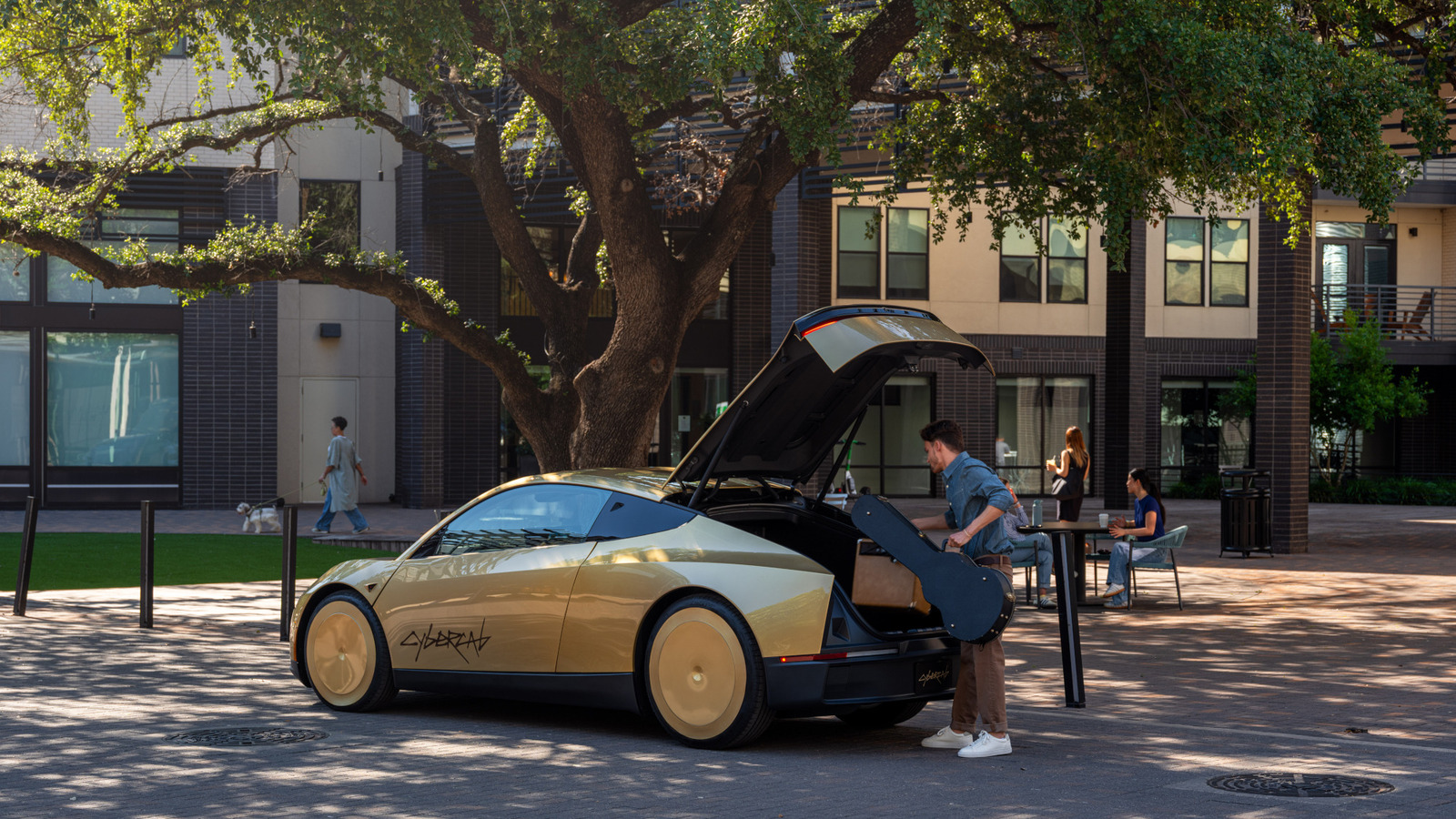
Tesla plans to start selling Cybercabs to customers by the end of 2026, with plans to switch on Unsupervised Full Self-Driving on some vehicles by the second quarter of 2027. The company is manufacturing Cybercabs at its Gigafactory in Texas, but they are meant for its internal robotaxi fleet.
Tesla wants to sell special cars called Cybercabs by the end of the year. These cars don't have steering wheels or brake pedals and drive themselves. The company is testing these cars in a place called Austin and is looking for companies to help them make more of these cars.
Analysis
{"heading_1":"Cybercabs Manufacturing and Development","paragraph_1":"The company's plans to start selling Cybercabs to customers by the end of 2026, with plans to switch on Unsupervised Full Self-Driving on some vehicles by the second quarter of 2027, could face regulatory scrutiny. The National Highway Traffic Safety Administration (NHTSA) launched a probe into the vehicles shortly after Tesla started offering Cybercab rides in Austin, Texas.","paragraph_2":"The agency plans to look into the process and data the automaker used to self-certify to determine whether the vehicles do indeed adhere to relevant Federal Motor Vehicle Safety Standards (FMVSS).","paragraph_3":"Tesla's plans to start selling Cybercabs to customers by the end of 2026, with plans to switch on Unsupervised Full Self-Driving on some vehicles by the second quarter of 2027, could face regulatory scrutiny. The National Highway Traffic Safety Administration (NHTSA) launched a probe into the vehicles shortly after Tesla started offering Cybercab rides in Austin, Texas.","heading_2":"Cybercabs and Autonomous Vehicle Industry","heading_3":"Cybercabs and Regulatory Environment","paragraph_4":"The agency plans to look into the process and data the automaker used to self-certify to determine whether the vehicles do indeed adhere to relevant Federal Motor Vehicle Safety Standards (FMVSS)."}
Key points
- Tesla plans to start selling Cybercabs to customers by the end of 2026
- Cybercabs don't have steering wheels or brake pedals and rely on Tesla's Full Self-Driving software
- The National Highway Traffic Safety Administration (NHTSA) launched a probe into the vehicles
- Cybercabs could lead to safer and more efficient ride-hailing services
- Cybercabs could cause problems for existing ride-hailing services
If Tesla's plans for Cybercabs are successful, it could lead to safer and more efficient ride-hailing services. It could also help reduce traffic and pollution.
If Tesla's plans for Cybercabs are not successful, it could lead to safety concerns and regulatory issues. It could also cause problems for existing ride-hailing services.