The Biggest Consequence Of An AI IPO Isn’t The IPO Itself. It’s What Happens Afterward.
Investors are focused on AI IPOs, but the real story begins after the IPO, when limited partners receive distributions and decide where to deploy that capital next. This can reshape venture fundraising and concentrate capital among the industry's largest firms.
Intelligence analysis by Llama

The current focus on AI IPOs is centered on public market performance, but the more consequential story begins after the bell rings, when limited partners receive distributions and decide where to deploy that capital next. This can reshape venture fundraising and concentrate capital among the industry's largest firms.
Imagine you're a big investor, and you put money into a company that makes AI. When the company goes public, you get your money back, and you can decide where to put it next. This can help some companies get even more money and become even bigger, but it might also make it harder for smaller companies to get funding.
Analysis
The IPO Effect on Venture Fundraising
The current focus on AI IPOs is largely centered on public market performance. Investors want to know whether these companies justify their valuations and how their shares will trade after listing. But everybody is watching the wrong metric. The more consequential story begins after the bell rings, when limited partners receive distributions and decide where to deploy that capital next.
At sufficient scale, AI IPOs become a capital formation event for the broader venture ecosystem. If several of the largest AI companies reach the public markets over the next few years, those exits could reshape venture fundraising and further concentrate capital among the industry's largest firms.
Liquidity Drives the Next Fundraising Cycle
The importance of the next AI IPOs lies less in their individual performance than in their combined effect on venture fundraising. As capital flows back to limited partners, investment committees gain both the liquidity and the flexibility to make new commitments. How those commitments are distributed will shape the industry's next phase.
Recent fundraising trends suggest capital is likely to remain concentrated. According to the National Venture Capital Association, the 10 largest U.S. venture funds captured nearly one-third of all capital raised in 2025, while first-time fund formation fell to its lowest level in more than a decade.
A Concentration Flywheel
Successful exits reinforce confidence in managers, making them the natural destination for a disproportionate share of new allocations. The effects extend beyond fundraising. A $15 billion fund approaches ownership, pricing, and portfolio support differently from a $500 million fund. Large funds need meaningful ownership and outcomes capable of returning multibillion-dollar vehicles.
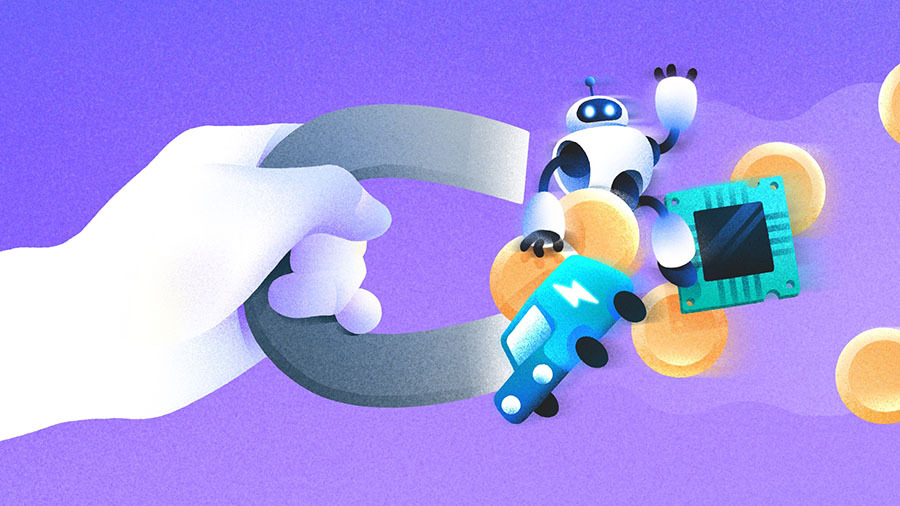
This is not a liquidity flywheel. It is a concentration flywheel. Successful investments generate distributions. Those distributions help the industry's largest firms raise larger successor funds, reinforcing their competitive advantages. Over time, liquidity strengthens fundraising, and fundraising strengthens market position.
The Market May Become Larger Without Becoming Broader
Founders will feel the effects. Large investment platforms can finance companies for longer and compete more aggressively for ownership in the relatively small number of businesses capable of producing returns at their scale. The result could be a more pronounced barbell market: a limited group of companies attracts enormous amounts of capital, while businesses outside the dominant sectors face a more constrained financing environment.
Pay Attention to LP Liquidity, Not Just IPO Pricing
Public investors will remember this AI IPO cycle by its opening prices. Venture investors may remember it for something else entirely. It may be the moment capital began concentrating around a handful of firms at a speed the industry has never experienced. The IPOs themselves will make headlines. The redistribution of power inside venture capital will shape the next decade.
Key points
- The real story begins after the IPO, when limited partners receive distributions and decide where to deploy that capital next.
- AI IPOs can reshape venture fundraising and concentrate capital among the industry's largest firms.
- Successful exits reinforce confidence in managers, making them the natural destination for a disproportionate share of new allocations.
- A $15 billion fund approaches ownership, pricing, and portfolio support differently from a $500 million fund.
- Large funds need meaningful ownership and outcomes capable of returning multibillion-dollar vehicles.
If several large AI companies go public over the next few years, it could lead to a wave of new investments and a more vibrant venture ecosystem. This could create opportunities for founders and entrepreneurs to access more capital and build successful companies.
The concentration of capital among a few large firms could lead to a more challenging environment for smaller companies and founders. This could result in a more pronounced barbell market, where a limited group of companies attracts enormous amounts of capital, while businesses outside the dominant sectors face a more constrained financing environment.