The Final Problem Series: A Pale Imitation and a Shocking Ending for Viewers
Netflix's Spanish mystery series "The Final Problem" is criticized for its unoriginal plot, borrowing heavily from classic mystery tropes without achieving narrative coherence, and concluding with a disappointing, radically altered ending compared to the original novel.
Intelligence analysis by Gemini 2.5 Flash
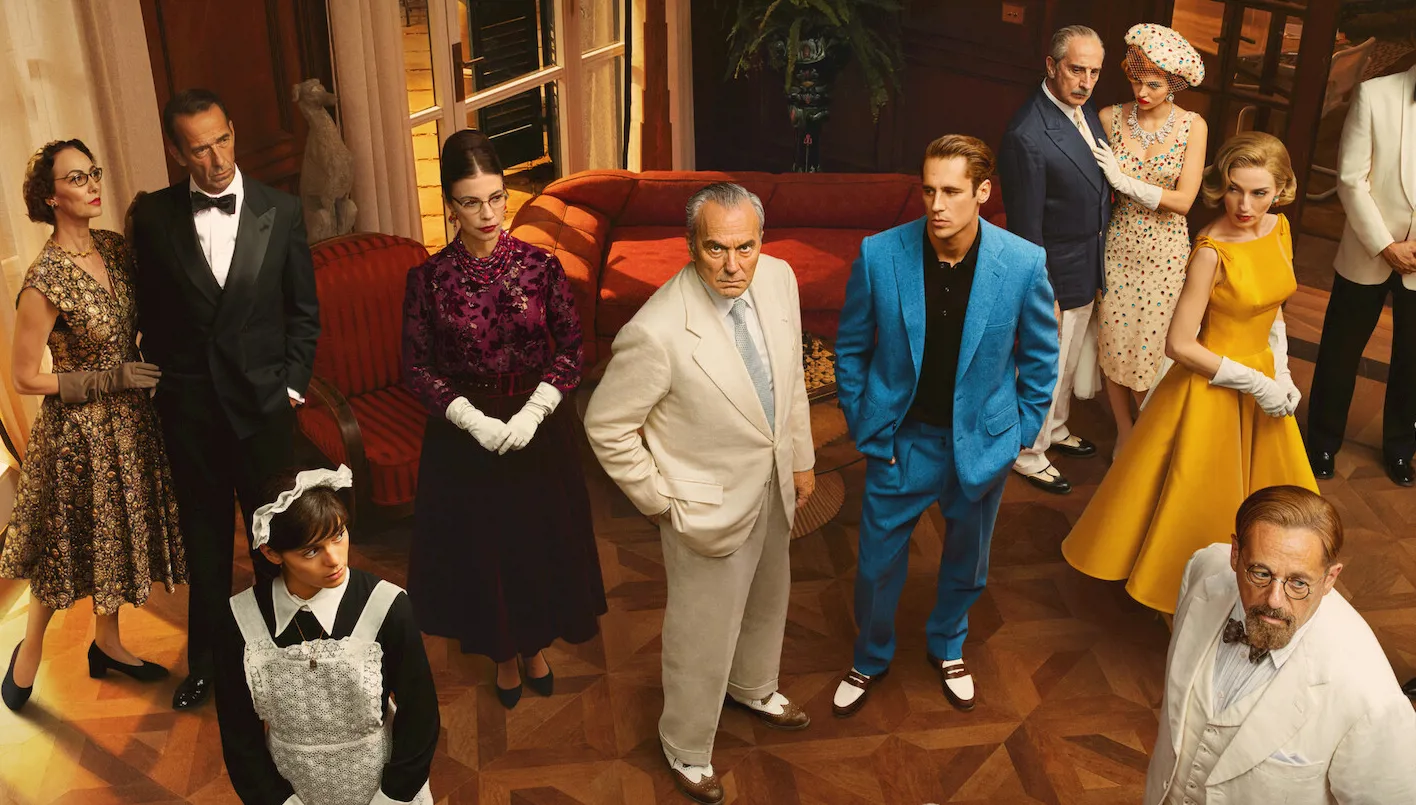
The four-episode Netflix adaptation of Arturo Pérez-Reverte's novel, "The Final Problem," promised a compelling detective story but delivered a disjointed narrative. It attempted to blend elements of Agatha Christie and Arthur Conan Doyle, featuring a retired actor playing a Sherlock Holmes-like detective, but ultimately failed to build genuine suspense or explore its meta-narrative p…
Imagine a new TV show that tries to be like your favorite detective stories, like Sherlock Holmes or Agatha Christie, where people are stuck in a spooky old hotel and crimes happen. The show has an actor who used to play a detective, and now he tries to solve a real mystery. But the review says it's like the show copied the look of the old stories but forgot the exciting feeling. The ending is also super confusing and different from the book it's based on, making it a bit of a letdown.
Analysis
The Final Problem
The Netflix series "The Final Problem," a four-episode Spanish production, aimed to capitalize on the enduring appeal of crime and mystery dramas. Adapted from Arturo Pérez-Reverte's 2023 novel, the show was heavily promoted as a rich detective experience. However, the critical reception, as detailed in this review, suggests a significant disconnect between the promotional hype and the actual on-screen delivery. The series is accused of merely replicating classic mystery tropes without successfully integrating them into a cohesive and compelling narrative.
The core premise involves thirteen guests trapped in an isolated hotel on the Spanish island of Santa Águeda during a fierce storm in 1959, where mysterious crimes begin to occur. This setting immediately evokes comparisons to Agatha Christie's "And Then There Were None" and the deductive style of Arthur Conan Doyle. The review argues that while the series borrowed the "spatial body" of these classic works, it utterly failed to capture their "psychological spirit," particularly the pervasive sense of paranoia and mutual suspicion that defines Christie's best works.
Benjamin Bassel
Central to the series is the character of Benjamin Bassel, a retired actor famous for portraying Sherlock Holmes. Bassel steps into the role of a real-life detective when the crimes unfold, a concept that, on paper, offered intriguing possibilities for exploring themes of identity and the blurred lines between fiction and reality. The review posits that this meta-narrative dimension, which could have critically examined the film industry or an actor's identity crisis, was mishandled.
Instead of a nuanced exploration, Bassel's character is depicted as delivering lengthy, arrogant deductive speeches, turning his scenes into an "unintentional parody." The presence of such an overtly deductive figure, even if an actor, undermined the potential for genuine suspense and the "paranoia" that isolation should have fostered among the trapped guests. This approach, according to the critique, prevented the series from achieving the psychological depth necessary for a compelling mystery.
Pérez-Reverte
The series' most significant deviation and ultimate downfall, according to the review, lies in its ending, which radically departs from Arturo Pérez-Reverte's original novel. In Pérez-Reverte's text, Bassel confronts the killer three months later in Italy, making a moral decision not to hand her over to the police, acknowledging his role as an actor rather than a law enforcer. This original ending is praised for respecting the conventions of classical mystery and offering a thoughtful resolution.
In stark contrast, the Netflix adaptation's final episode descends into "narrative chaos," shifting abruptly to a meta-cinematic sequence where crimes are re-enacted on a film set. This "absurd transformation" is criticized for dissipating all accumulated dramatic tension and destroying the "elegant logic" of the original story. The review concludes that "The Final Problem" ultimately failed to solve its own central problem: how to construct classical suspense while maintaining narrative identity and coherence?
Key points
- Netflix's "The Final Problem" is a four-episode Spanish mystery series adapted from Arturo Pérez-Reverte's 2023 novel.
- The series is criticized for being a "pale imitation" of classic mystery works by Agatha Christie and Arthur Conan Doyle.
- It features a retired actor, Benjamin Bassel, known for playing Sherlock Holmes, who attempts to solve real crimes in an isolated hotel.
- The review highlights a failure to capture the psychological depth and paranoia characteristic of classic mysteries, instead relying on superficial replication.
- The final episode deviates significantly from the original novel's ending, opting for a confusing meta-cinematic approach that undermines narrative coherence and dramatic tension.
The series' critical reception suggests that relying heavily on classic tropes without innovative execution can lead to a disjointed and unsatisfying viewing experience, potentially disappointing audiences who expect high-quality adaptations. This could deter future investments in similar genre projects if they fail to resonate with critics and viewers.