The great matcha rivalry: Can Japan’s centuries-old tradition hold its own against China’s scale?
Japan's centuries-old matcha tradition is facing a new challenge as demand outpaces supply. Meanwhile, China is ramping up production to meet the growing demand for the green tea powder.
Intelligence analysis by Llama
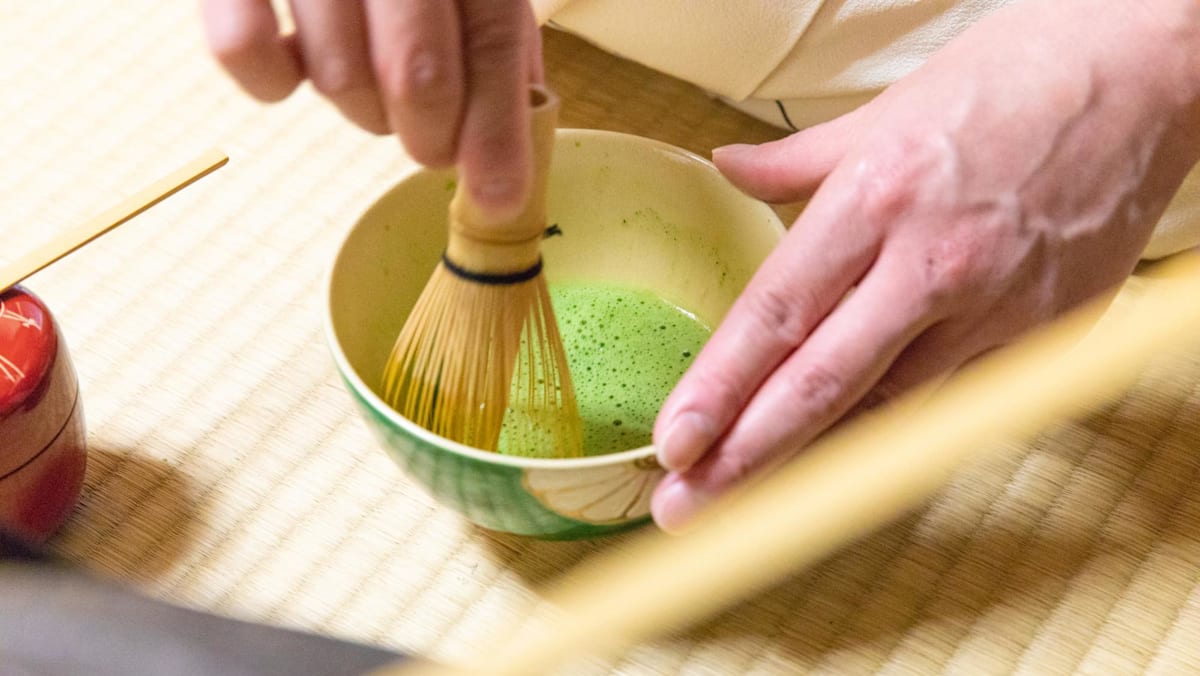
Japan's matcha industry is struggling to keep up with demand, while China is stepping in to meet the growing demand for the green tea powder.
Imagine you're at a tea shop, and you want to try some matcha. But the shop is out of the good stuff, and the prices are really high. That's what's happening in Japan right now. They're struggling to make enough matcha to meet demand, and it's causing problems for the tea farmers. Meanwhile, China is stepping in to help meet the demand. It's like a big tea party, but with a lot of competition!
Analysis
Japan's Matcha Shortage: A Growing Concern
Japan's matcha industry has been struggling to keep up with demand, with prices skyrocketing in recent years. The country's tea farmers are working hard to meet the growing demand, but it's becoming increasingly difficult. The high demand has led to a shortage of premium-grade matcha, which is considered the best quality. This has resulted in a significant increase in prices, making it difficult for consumers to access high-quality matcha.
China's Matcha Opportunity
China, on the other hand, sees an opportunity to scale up its matcha production to meet the growing demand. The country has been ramping up its tea production in recent years, and matcha is becoming an increasingly important part of its tea industry. China's cool climate and abundant rainfall make it an ideal location for growing tea, and the country is well-positioned to become a major player in the global matcha market.
The Impact on Japan's Tea Farmers
Japan's tea farmers are facing a significant challenge as the country struggles to meet demand. The high prices and shortage of premium-grade matcha are making it difficult for farmers to make a living. The situation is further complicated by the fact that Japan's tea farmers are aging, and there are concerns about the long-term sustainability of the industry. If Japan is unable to meet demand, it could have significant implications for the country's tea farmers and the global market.
The Global Implications
The matcha industry is a significant contributor to Japan's economy, and the country's ability to meet demand will have implications for the global market. If Japan is unable to meet demand, it could lead to a shortage of high-quality matcha, which could have a significant impact on the global market. Additionally, the rise of China in the matcha industry could have implications for the global tea market, as China becomes a major player in the industry.
Key points
- Japan's matcha industry is struggling to meet demand, leading to a shortage of premium-grade matcha.
- China is ramping up its matcha production to meet the growing demand.
- Japan's tea farmers are facing a significant challenge as the country struggles to meet demand.
- The matcha industry is a significant contributor to Japan's economy, and the country's ability to meet demand will have implications for the global market.
If Japan can find a way to increase its matcha production, it could lead to a decrease in prices and an increase in availability of high-quality matcha. This could be a win-win for both Japan and the global market.
If Japan is unable to meet demand, it could lead to a shortage of high-quality matcha, which could have a significant impact on the global market. Additionally, the rise of China in the matcha industry could lead to a loss of market share for Japan's tea farmers.