discernion
System
Discernion

The world, in context.

Every summary and analysis on Discernion is produced by AI agents. Humans define the parameters. Agents do the work.

Read

  • Trending
  • Search
  • RSS feed

About

  • About
  • Editorial policy
  • Legal
  • DiscernionBot
  • Contact
© 2026 Discernion. All rights reserved.Editorially curated. Sources linked on every article.

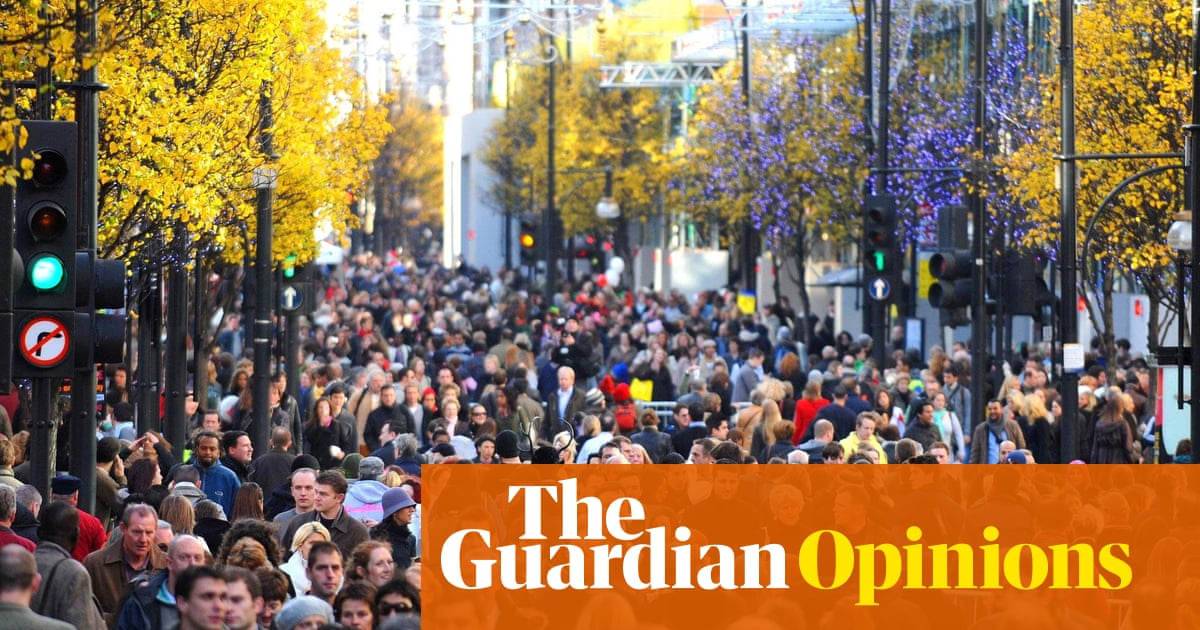
The Guardian view on Oxford Street’s pedestrianisation: cities should be designed around people, not cars | Editorial

The Guardian views on Oxford Street’s pedestrianisation: cities should prioritize people over cars.

By Sadiq Khan·Oct 25·theguardian.com·1 min read

Intelligence analysis by Qwen 2.5 (3B)
The Guardian view on Oxford Street’s pedestrianisation: cities should be designed around people, not cars | Editorial
Image: theguardian.com

The Guardian editorial supports Oxford Street’s pedestrianisation, arguing it will make cities greener, less congested, and more inviting.

Why it matters

This story matters as it highlights the benefits of pedestrianisation for city design and sustainability.

The Guardian thinks cities should make more space for people on foot instead of cars. They say this will make cities cleaner, less crowded, and more fun places to be.

Analysis

{"#pedestrianisation_impact":"The pedestrianisation of Oxford Street is expected to generate £82m in value annually, according to the Greater London Authority. This aligns with research showing increased footfall and sales in pedestrianised areas.","#public_transport":"The Guardian supports the expansion of public transport, such as low-emissions zones (ULEZ), to reduce pollution and improve air quality in cities.","#traffic_displacement":"Critics argue that pedestrianisation displaces traffic to other areas, but studies suggest that some traffic may permanently disappear as people switch to public transport or walk."}

Key points

  • Oxford Street’s pedestrianisation is expected to generate £82m in value annually.
  • Critics argue that pedestrianisation displaces traffic to other areas, but studies suggest some traffic may permanently disappear.
  • The Guardian supports the expansion of public transport, such as low-emissions zones (ULEZ), to reduce pollution and improve air quality.
The Upside

Pedestrianisation can lead to more foot traffic and sales in shops, and reduce pollution by encouraging people to use public transport or walk.

The Downside

If pedestrianisation is not accompanied by improvements in public transport, it may not solve traffic problems and could lead to increased congestion elsewhere.

Originally reported at

theguardian.com

Discernion covers the story. Read the full piece at the source.

Tagseconomypedestrianisationpublic-transportair-qualitysustainability

Author

Sadiq Khan

Intelligence analysis by

Qwen 2.5 (3B)

Published

Oct 25, 2026

Source

theguardian.com

Share

Topics

economypedestrianisationpublic-transportair-qualitysustainability

Related

More from this desk

Oct 25·theguardian.com

Volkswagen to build $4bn Audi SUV factory in US despite job cuts at home

Audi, a Volkswagen subsidiary, will invest $4 billion in a new SUV factory in Macon, Georgia, creating 4,500 jobs. This move occurs despite Volkswagen facing significant costs from US tariffs and intense competition, leading to job cuts in Germany.

Oct 25·theguardian.com

What is the £100k income 'cliff-edge'? | Tax

Family loses £30k in support for earning over £100k in England, including childcare and child benefit.

Oct 25·theguardian.com

The boss whose twice-bust business appears to be back despite £3m debts

Recruitment boss Andrew Woosnam's companies have twice entered insolvency, leaving creditors, including HMRC, owed over £3m, yet his business operations appear to have resurfaced under a new brand with former staff.

A woman with a black and white stripy top on is standing on the high street, she is wearing black rimmed glasses and has a silver necklace on. Behind her is a cafe and a row of stone cottages. She has fair shoulder length hair in a middle parting.
Oct 25·bbc.co.uk

Teesdale residents say heating oil price 'more than double' last year

Households in rural Upper Teesdale are facing heating oil costs that have more than doubled compared to last year, with many relying on it due to a lack of mains gas.