The Information Factory: Behind the Investigation into the Drone War in Mali
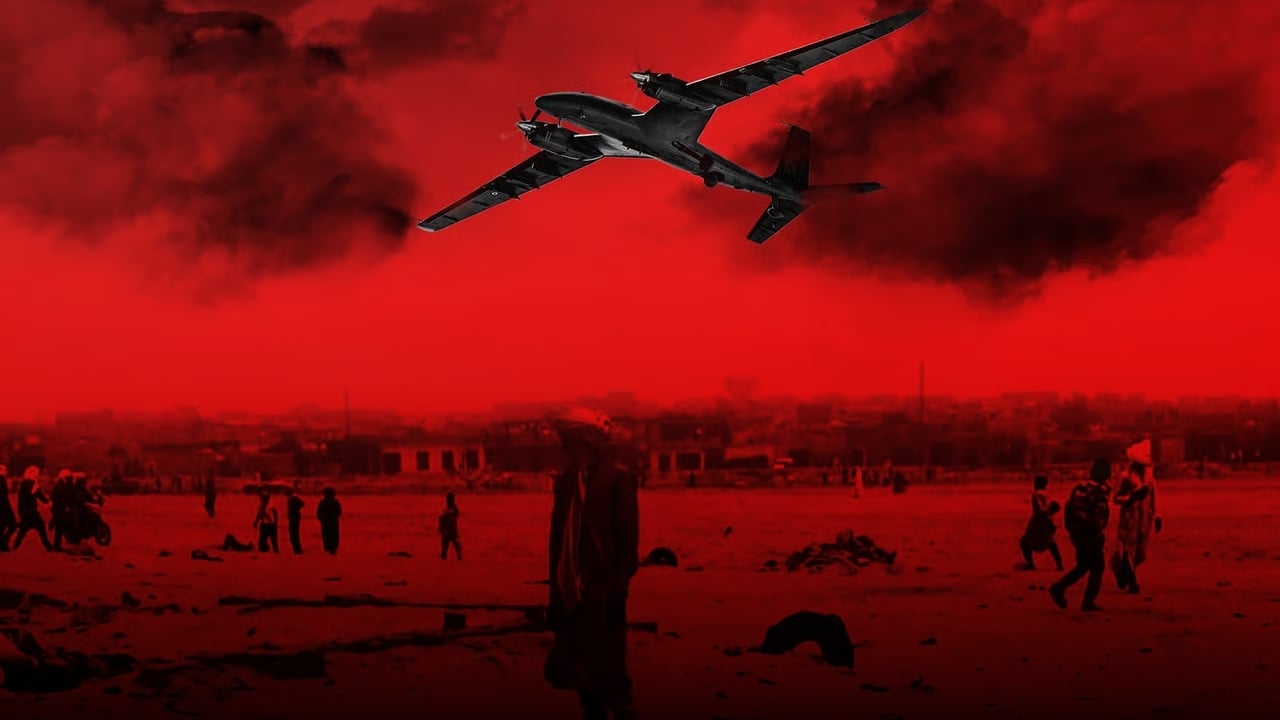
Jeune Afrique, in collaboration with Bellingcat and The Sentry, conducted a six-month investigation into drone strikes in Mali by the Malian army and its Russian partners, Africa Corps, revealing that at least a quarter of these strikes resulted in civilian casualties.
Intelligence analysis by Gemini 2.5 Flash
A detailed journalistic investigation uncovered the extensive use of drones by the Malian army and Russian-affiliated Africa Corps, documenting 60 strikes between September 2023 and September 2026. The findings highlight a significant number of civilian victims, attributed to poor intelligence, faulty targeting, and lax rules of engagement, while also noting the Malian army's use of d…
Imagine some grown-ups are playing a very serious game of 'tag' in Mali, but instead of running, they use flying robots called drones. Journalists, like detectives, looked very closely at these robots and found that even though the army says they're only tagging bad guys, a lot of innocent people, like kids and farmers, are getting hurt. It's like the robots aren't very good at telling who's who, and sometimes the army uses pictures of the robots to show off, even when people are sad.
Analysis
Africa Corps
The investigation by Jeune Afrique, Bellingcat, and The Sentry meticulously examined 60 drone strikes carried out by the Malian army and its Russian partners, Africa Corps, between September 2023 and September 2026. This extensive period allowed for a comprehensive analysis of the evolving nature of conflict in Mali, where modern aerial warfare is increasingly prevalent. The findings are particularly concerning as they indicate that at least a quarter of these documented strikes resulted in civilian casualties, underscoring a significant humanitarian impact.
The involvement of Africa Corps, a group associated with Russian interests, highlights the complex web of international actors influencing the Malian conflict. Their partnership with the Malian army in conducting these drone operations suggests a transfer of technology and operational tactics that have profoundly altered the battlefield dynamics. The high incidence of civilian harm raises serious questions about the targeting protocols and ethical considerations guiding these joint military actions, pointing to potential disregard for international humanitarian law.
Bellingcat
The collaborative effort with Bellingcat, renowned for its open-source intelligence investigations, was crucial in verifying the drone strikes. The methodology employed was rigorous, involving the geolocation of each strike, verification through satellite imagery, collection of on-the-ground testimonies, and analysis of both drone-filmed footage and ground-level witness images. This painstaking process allowed for the independent reconstitution of twelve specific strikes, providing concrete evidence of the operations.
This meticulous approach underscores the commitment to journalistic integrity and factual verification in a conflict zone often characterized by limited transparency. The partnership with The Sentry further strengthened the investigative capacity, enabling a deeper dive into the operational aspects and consequences of these aerial bombardments. The ability to independently verify a significant portion of the strikes lends considerable weight to the investigation's conclusions regarding civilian casualties and operational deficiencies.
Matteo Maillard
Matteo Maillard, a journalist at Jeune Afrique and lead investigator, emphasized how drones have fundamentally transformed the war in Mali, noting that the targets of this 'battle of the sky' are often civilians. He identified several contributing factors to the elevated number of collateral victims, including a lack of precise intelligence, a flawed target identification process, and overly permissive rules of engagement. This suggests systemic issues within the operational framework of the drone program.
Maillard also highlighted the complex command structures, suggesting scenarios where a Malian crew might pilot a drone with Turkish advisory support, firing on targets selected or approved within a Russian command structure. Beyond the military implications, drones have become a potent media weapon for the Malian army, with 'successful' strikes presented as visual proof of state power and technological prowess. This narrative, however, often comes at the expense of acknowledging severe humanitarian consequences, such as polluted fields, killed livestock, and the displacement of entire villages fearing nighttime attacks.
Key points
- Jeune Afrique, Bellingcat, and The Sentry investigated 60 drone strikes in Mali by the Malian army and Africa Corps between September 2023 and September 2026.
- At least a quarter of the documented drone strikes resulted in civilian casualties.
- Reasons for civilian harm include lack of precise intelligence, faulty target identification, and lax rules of engagement.
- Drones have transformed warfare in Mali and are also used by the Malian army as a media tool to project state power.
- The investigation involved meticulous methods like geolocation, satellite imagery, ground testimonies, and drone footage analysis, with 12 strikes independently reconstituted.
The detailed investigation by Jeune Afrique, Bellingcat, and The Sentry could bring international attention to the civilian impact of drone warfare in Mali. This increased scrutiny might pressure the Malian army and its partners to adopt more stringent targeting protocols and rules of engagement, potentially leading to a reduction in civilian casualties and greater accountability for military actions.
Despite the thorough investigation, the findings might be dismissed or ignored by the involved parties, leading to a continuation of drone strikes with high civilian casualties. The use of drones as a propaganda tool could persist, further eroding trust between the state and its citizens and potentially fueling instability and resentment in affected communities.


