The lesson from Canada’s collapsed trade talks with the US: negotiation may be futile
The collapse of trade talks between Canada and the US is a warning to nations worldwide that pursuing dialogue with the current US administration is futile. The US has prioritized its interests above global economic coordination, and Canada has rejected a deal due to last…
Intelligence analysis by Llama
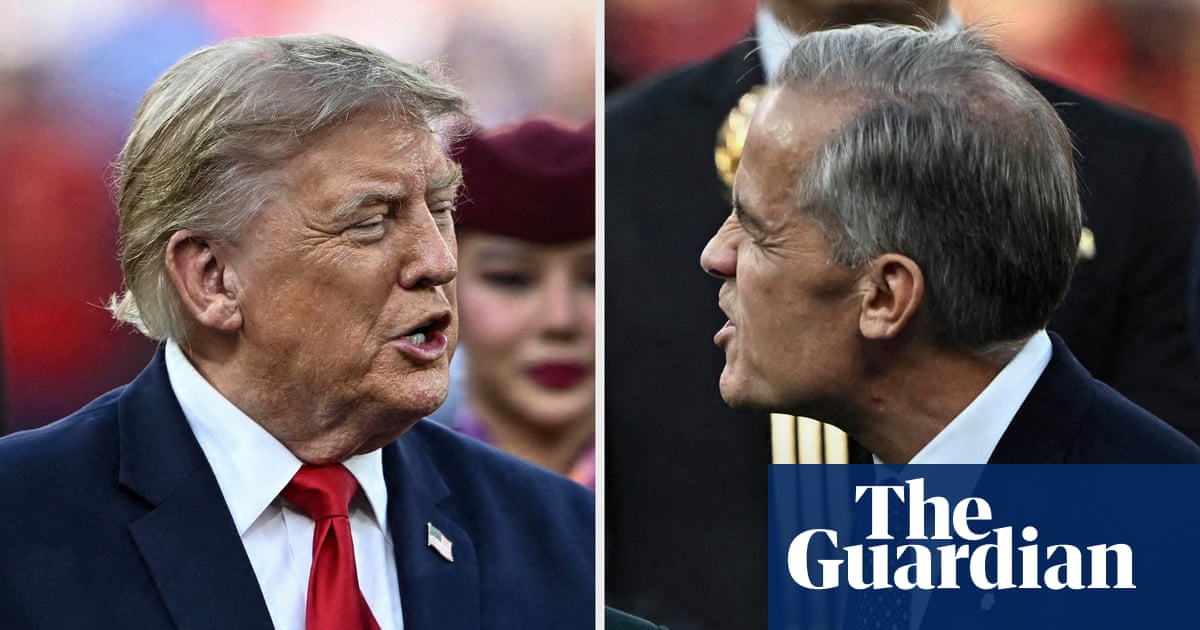
The collapse of trade talks between Canada and the US is a warning to nations worldwide that pursuing dialogue with the current US administration is futile. The US has prioritized its interests above global economic coordination, and Canada has rejected a deal due to last-minute US demands that would have undermined its sovereignty. The two countries are now in a deepening trade war a…
Imagine you're trying to negotiate a deal with someone who always wants more and more, even if it means hurting others. That's basically what's happening with the US and Canada right now. The US wants to make rules that benefit itself, even if it means hurting Canada's economy. It's like trying to have a conversation with someone who always wants to get their way, no matter what.
Analysis
The Futility of Negotiation with the US Administration
The collapse of trade talks between Canada and the US is a stark reminder that pursuing dialogue with the current US administration is a futile endeavor. The US has consistently prioritized its interests above global economic coordination, and Canada has been left with no choice but to reject a deal that would have undermined its sovereignty.
The breakdown of talks came as a shock, with Trump claiming that a three-day extension would be applied to the tariff deadline, as an agreement was all but signed. However, as details of the agreement began to leak to Canadian media, there was growing alarm that Carney and his negotiators were conceding too much in exchange for lower tariffs on steel, aluminium, and cars.
The premier of Manitoba, Wab Kinew, and his Nova Scotia counterpart, Tim Houston, confirmed this week that Carney had asked the provinces to return US alcohol to shelves in order to seal the trade deal. Kinew told reporters he believed Canada 'should fight' Trump instead, and that 'you can't get a good deal with a bad person'.
Fears of capitulating to Trump also emerged in a high-level briefing call held by Canada's ambassador to the US, Mark Wiseman, with the Canada-US trade council. Sources told the Canadian Broadcasting Corporation that Canada's former chief trade negotiator Steve Verheul had warned in the call that concessions now would only lead to further demands from the Americans down the road.
The Economic Impact of the Tariffs
The US tariffs on Canadian goods will have a significant economic impact on both countries. The tariffs will increase the cost of goods for Canadian consumers, and will also lead to job losses in the affected industries. The Canadian government has promised to match US tariffs 'dollar for dollar', which will only exacerbate the economic impact.
The Future of Trade Talks
The collapse of trade talks between Canada and the US is a warning to nations worldwide that pursuing dialogue with the current US administration is futile. The US has consistently prioritized its interests above global economic coordination, and Canada has been left with no choice but to reject a deal that would have undermined its sovereignty.
The two countries are now in a deepening trade war, and it is unclear when or if trade talks will resume. However, one thing is certain: the current US administration will continue to prioritize its interests above global economic coordination, and nations worldwide will need to adapt to this new reality.
Key points
- The collapse of trade talks between Canada and the US is a warning to nations worldwide that pursuing dialogue with the current US administration is futile.
- The US has prioritized its interests above global economic coordination, and Canada has rejected a deal due to last-minute US demands that would have undermined its sovereignty.
- The two countries are now in a deepening trade war after weeks of urgent talks fell apart.
- The Canadian government has promised to match US tariffs 'dollar for dollar', which may put pressure on the US to reconsider its stance.
- The economic impact of the tariffs may eventually lead to a change in the US administration's priorities.
Despite the collapse of trade talks, there is still hope for a resolution. The Canadian government has promised to match US tariffs 'dollar for dollar', which may put pressure on the US to reconsider its stance. Additionally, the economic impact of the tariffs may eventually lead to a change in the US administration's priorities.
The collapse of trade talks between Canada and the US is a significant setback for global trade and economic coordination. The US has consistently prioritized its interests above global economic coordination, and Canada has been left with no choice but to reject a deal that would have undermined its sovereignty. The two countries are now in a deepening trade war, and it is unclear when or if trade talks will resume.