The war that was meant to weaken Iran: what has actually changed?
A BBC Persian roundup of Western analyses arguing that the US-Israel war on Iran has produced near-opposite results to what was intended, with Iran emerging stronger and reshaping Middle East power dynamics.
Intelligence analysis by Llama
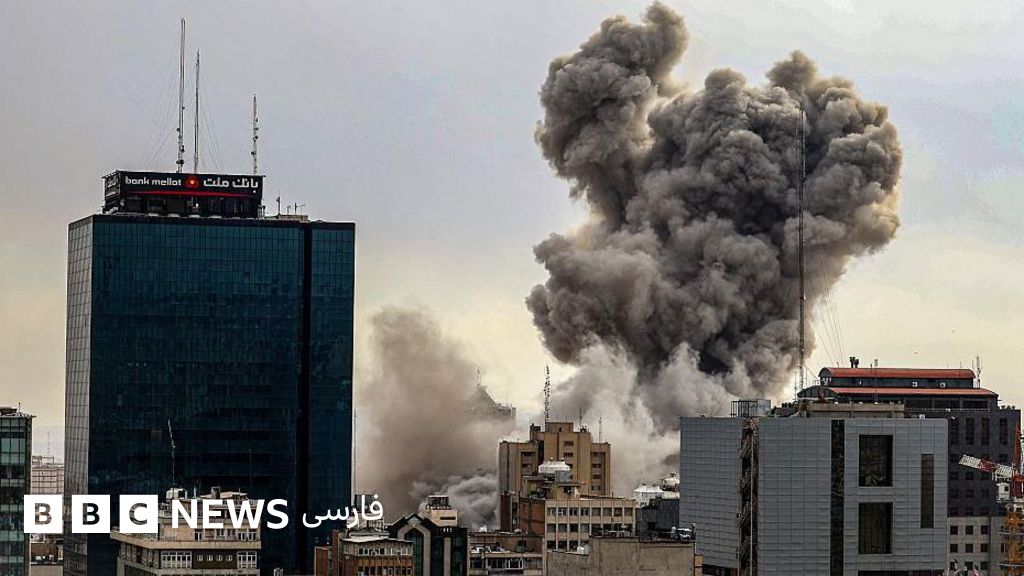
Western analysts, including Brookings' Robert Kagan writing in The Atlantic, argue the war intended to weaken Iran has instead shifted the regional balance in Tehran's favor, granted it leverage over Gulf energy infrastructure and the Strait of Hormuz, and forced Washington into a more cautious posture.
Imagine two kids in a fight where one was supposed to lose. Instead, the one everyone expected to get beaten suddenly figured out how to hit the buttons that control all the gas pumps in the neighborhood, and now the other kid is scared to keep fighting. That's what's happening with Iran: it didn't fall apart, and now it can cause big problems for everyone if the fight keeps going.
Analysis
Robert Kagan
Writing in The Atlantic, Brookings senior fellow Robert Kagan argues that the war has produced results almost the inverse of what Washington and Israel anticipated. Iran has endured two years of heavy sanctions, strikes on nuclear facilities, the killing of senior officials, and weeks of bombardment, yet its government remains intact and has, in Kagan's reading, actually altered the regional balance of power. The turning point, he contends, came when Iran demonstrated it could target critical oil and gas infrastructure in Gulf states, sharply raising the cost of continued fighting for the global economy. From that moment, Kagan writes, it became clear that Washington feared escalation more than Tehran did, with limited US missile stockpiles and interceptor supplies, alongside concerns about further damage to regional energy installations, effectively tying the Trump administration's hands.
Strait of Hormuz
Kagan identifies Iran's control over traffic through the Strait of Hormuz as perhaps the most strategically valuable asset to emerge from the conflict, in his view more valuable than a nuclear weapon. Beyond deterrence, he argues, it offers Tehran a permanent lever to pressure other states, generate revenue, and erode the effectiveness of US sanctions. The consequences, the Atlantic piece warns, will not stay confined to the Persian Gulf: Arab states may increasingly seek accommodation with Tehran rather than relying on American security guarantees, while European and Asian partners may begin to doubt Washington's ability to fight another major war. Kagan closes by reframing the global concern from what Iran might do with a nuclear weapon to what an Iran convinced it can stand up to Washington, raise the cost of escalation, and force American retrenchment will choose to do next.
Guardian
A New York Times report highlights a less-noticed consequence of the war: a rush by the United States and Gulf states to mass-produce cheap interceptors capable of defeating Iranian drones, a transformation of defense industry practices long defined by slow procurement and high cost. The Florida-based American startup Powros, per the report, opened a small factory in the UAE last month where workers assemble 3D-printed parts into interceptors designed to disable Iranian drones in flight. The interceptor, called the Guardian, costs about $5,000 and is based on a Ukrainian design that proved effective against Russian Shahed drones. Its parts snap together like Lego, though unlike Lockheed Martin's PAC-3 interceptors it cannot counter ballistic missiles. The economic logic is straightforward: early in the war the UAE was using multi-million-dollar interceptors to shoot down $40,000 drones, a ratio the NYT says experts consider unsustainable. Powros-affiliated factories currently produce roughly 3,000 interceptors per month, with the company aiming to scale to 15,000 per month by mid-2027 via a global network that includes India. The backdrop is unprecedented Iranian pressure on the Emirates: since the war began in February, more than 500 ballistic missiles and over 2,200 Iranian drones have been fired at Emirati targets, killing at least 15 people, disabling a refinery, and destroying two Amazon data centers.
Key points
- Brookings analyst Robert Kagan argues in The Atlantic that the war intended to weaken Iran has instead shifted the Middle East balance in Tehran's favor.
- Iran's ability to target Gulf oil and gas infrastructure and its control of the Strait of Hormuz now function as a permanent strategic lever, according to Kagan.
- The Wall Street Journal has highlighted fresh signs that senior Iranian officials are open to ending the war, per the BBC roundup.
- Gordon Sondland, former US ambassador to the EU, frames Trump's new sanctions as targeting third-country banks, refineries, and shippers rather than just Iranian entities, forcing allies to choose between trade with Iran and access to the American economy.
- A New York Times report details how Florida-based startup Powros is mass-producing $5,000 'Guardian' interceptors in the UAE, scaling from 3,000 to a planned 15,000 per month by mid-2027, including a new factory in India.
- Since the war began in February, Iran has fired more than 500 ballistic missiles and over 2,200 drones at UAE targets, killing at least 15, disabling a refinery, and destroying two Amazon data centers.
If the new diplomatic openings bear fruit, a negotiated end to the conflict could ease pressure on Gulf energy infrastructure, lower global oil prices, and allow Washington to refocus on other strategic priorities. Kagan's framing suggests a deal may now be possible precisely because both sides recognize the costs of further escalation.
If Iran concludes, as Kagan suggests, that it can stand up to Washington and force retrenchment, it may press its advantage by tightening its grip on the Strait of Hormuz and accelerating nuclear work, while Gulf states drift away from US security guarantees. The NYT's account of mass Iranian strikes on the UAE, with 500 ballistic missiles and over 2,200 drones, shows the war is already producing heavy costs that could deepen if diplomacy fails.