Think before you share: SAPS warns against AI police images
The South African Police Service (SAPS) is warning the public against using AI to create and share images of themselves in police uniforms or being arrested, citing potential for deception and criminal offenses.
Intelligence analysis by Gemini 2.5 Flash
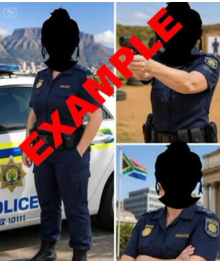
The South African Police Service (SAPS) in the Free State has issued a stern warning to the public regarding the creation and sharing of AI-generated images depicting individuals in police uniforms or being arrested. They emphasize the potential for these images to deceive, cause harm, and constitute criminal impersonation or unauthorized use of official insignia, urging responsible s…
Imagine someone uses a magic app to make a fake picture of them wearing a police uniform or getting arrested. The police in South Africa are saying this isn't a game because these fake pictures can trick people or make others think bad things happened, which is against the law and can cause big trouble. They want everyone to think carefully before sharing such images online.
Analysis
The proliferation of artificial intelligence (AI) tools capable of generating realistic images has introduced new challenges for law enforcement agencies worldwide, and the South African Police Service (SAPS) is no exception. Their recent warning specifically targets the creation and sharing of AI-generated photographs depicting individuals in SAPS uniforms or simulating arrests. This concern stems from the potential for such images to be mistaken for reality, leading to serious consequences including misleading the public, causing reputational harm, or even constituting criminal offenses.
South African Police Service Act 68 of 1995
The SAPS's warning is firmly rooted in existing legal frameworks designed to protect the integrity and authority of the police force. The South African Police Service Act 68 of 1995 explicitly prohibits individuals from falsely presenting themselves as members of the SAPS. Section 68 of this Act makes it a criminal offense to create the impression of being connected to the Service without authorization. Furthermore, Section 66 of the same Act regulates the unauthorized use of SAPS uniforms, badges, and insignia, underscoring the legal protections afforded to these symbols of state authority. The official SAPS badge, registered with the Bureau of Heraldry on October 31, 1995, is also legally protected, meaning it cannot be copied, altered, or used without explicit permission, even on personal social media profiles.
National Instruction 5 of 2017
The regulations extend beyond the general public to include SAPS members themselves, highlighting the seriousness with which the Service views its public image and official symbols. National Instruction 5 of 2017 specifically governs how SAPS members may use social media. This instruction places restrictions on the use of photographs of members in uniform and SAPS insignia on private social media accounts, requiring authorization for such displays. This internal regulation reinforces the message that the uniform and insignia are not mere costumes but represent authority and public trust, demanding responsible conduct from all, including those within the Service.
Lieutenant General Thabang Lesia
Lieutenant General Thabang Lesia, the Provincial Commissioner of the Police in the Free State, articulated the core message of the SAPS's warning. He emphasized that while AI can be used for entertainment and social media trends, a high degree of responsibility is required when police uniforms, insignia, or simulated arrests are involved. Lesia stressed that the SAPS uniform embodies authority and public trust and should never be trivialized or used to create false identities. His concluding remark, "The message is simple: Think before you post. What looks like harmless fun today could have serious consequences tomorrow," encapsulates the Service's concern about the long-term implications of such digital misuse.
Key points
- SAPS warns against using AI to create images of individuals in police uniforms or being arrested.
- Impersonating a police official and unauthorized use of SAPS uniforms or insignia are criminal offenses under the SAPS Act 68 of 1995.
- The SAPS emblem and badge are legally protected and require permission for use.
- Even SAPS members have restrictions on using uniforms and insignia on social media, as per National Instruction 5 of 2017.
- The police stress that the *use* and *intent* behind sharing AI images determine criminality, not just their creation.
The SAPS's proactive warning could educate the public about the legal risks associated with AI image misuse, potentially preventing widespread deception and maintaining public trust in law enforcement symbols. This early intervention might curb harmful trends before they escalate, fostering more responsible digital citizenship and digital literacy.
Despite the warning, the ease of creating AI images might lead to continued misuse, making it difficult for SAPS to enforce regulations effectively and potentially eroding public trust if fake images proliferate. The challenge of distinguishing AI-generated content from reality could also complicate investigations and legal proceedings, creating confusion.