‘This deal doesn’t help’: Europe slams Trump’s plan to buy Russian diesel
European governments have strongly rejected Donald Trump's proposal to import Russian diesel, reaffirming their commitment to isolating Moscow and supporting Ukraine amidst a looming winter.
Intelligence analysis by Gemini 2.5 Flash
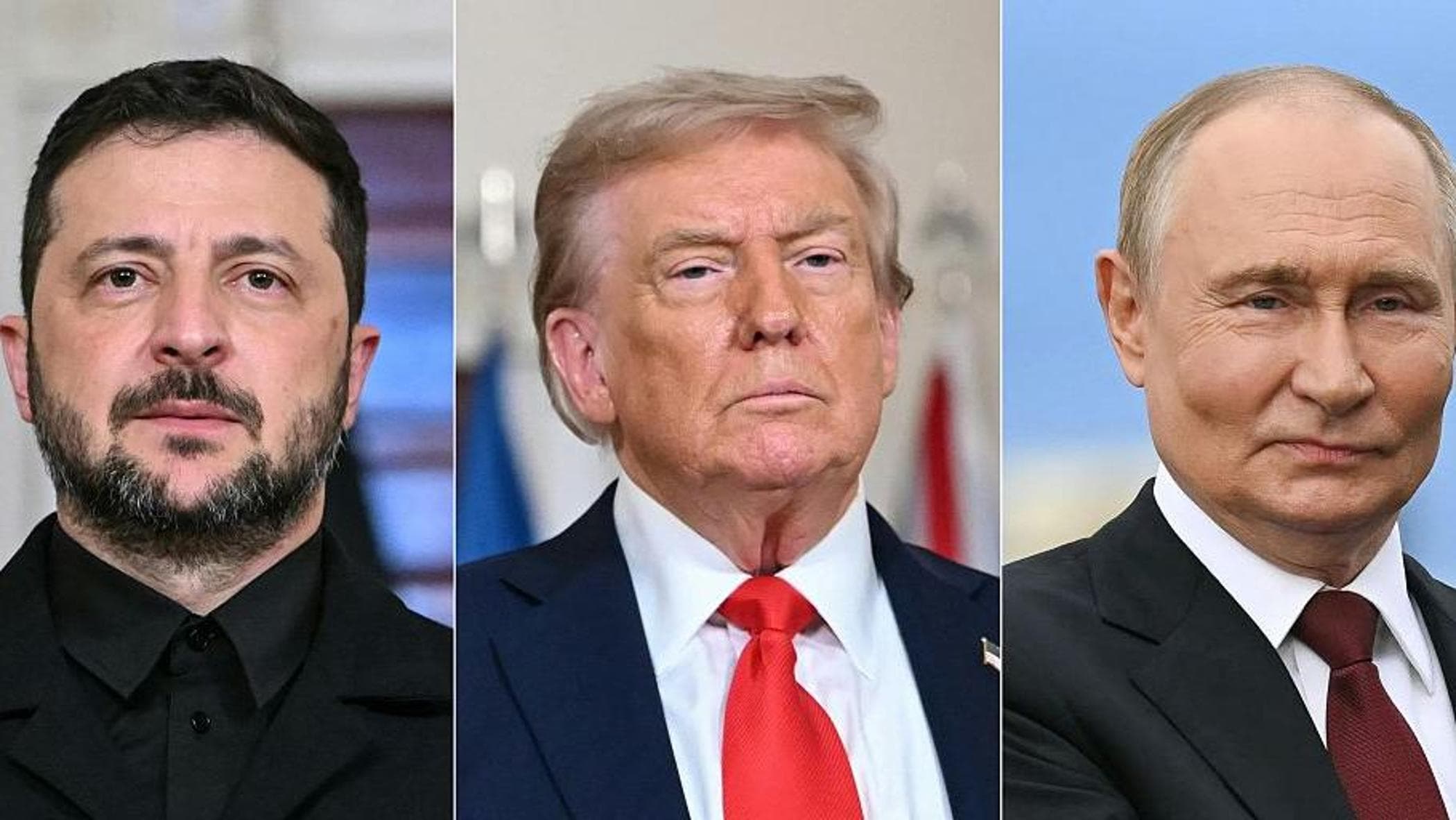
Former U.S. President Donald Trump's announcement to purchase 300,000 tons of Russian diesel, coupled with claims of an 'energy ceasefire' and a call for Ukrainian President Zelenskyy to step down, has drawn widespread condemnation from European leaders and the EU, who view the move as undermining transatlantic unity and funding Russia's war efforts.
Imagine two friends, Europe and Ukraine, are trying to stop a bully, Russia. Europe has decided not to buy anything from the bully to make them stop. But then, another big friend, America, says they might buy some diesel fuel from the bully. Europe is upset because they think this will make the bully stronger and won't help Ukraine, who is still being picked on. Ukraine's leader is also confused, saying they didn't know about any 'truce' and that America should buy from them instead.
Analysis
The recent proposal by Donald Trump to import Russian diesel has ignited a strong backlash across European capitals, underscoring deep divisions in how the transatlantic alliance approaches the ongoing conflict in Ukraine. European leaders, including foreign ministers from Lithuania, Ireland, and Germany, swiftly condemned the plan, emphasizing that any financial transaction with Russia directly funds its war machine. This unified European front highlights a commitment to maintaining economic pressure on Moscow and providing unwavering support to Kyiv, a strategy that stands in stark contrast to Trump's suggested 'energy ceasefire' and calls for Ukrainian leadership change.
Donald Trump's Proposal
Donald Trump's announcement, made weeks before U.S. midterm elections, included a plan to import 300,000 tons of Russian diesel. This move was framed by Trump as a way to address energy prices, a key concern for American voters. However, the proposal also came with controversial claims about an 'energy ceasefire' between Russia and Ukraine and a suggestion for Ukrainian President Volodymyr Zelenskyy to step down. These elements were met with skepticism and scorn by European officials, who questioned the timing and implications of such a deal, particularly given the ongoing conflict and Russia's continued aggression against Ukrainian infrastructure.
Volodymyr Zelenskyy's Reaction
Ukrainian President Volodymyr Zelenskyy expressed surprise and skepticism regarding Trump's announcement. He stated that Kyiv had not been informed about any 'energy ceasefire' and learned about it through the media. Zelenskyy also downplayed the potential impact of the proposed Russian diesel deliveries on global supplies, noting that 300,000 tons is insignificant compared to the global monthly consumption of approximately 120 million tons. He suggested that there might be 'different rationales' behind Trump's decision and proposed an alternative: a diesel deal with Ukraine, questioning why America wouldn't consider supporting its ally directly.
European Unity and Sanctions
The European Union's response has been characterized by a strong reaffirmation of its existing policy: increased pressure on Russia, sanctions, and robust support for Ukraine. Foreign ministers, including Lithuania's Kęstutis Budrys and Latvia's Baiba Braže, reiterated that isolating Russia is the only path to peace. German Minister of State for Europe Gunther Krichbaum explicitly stated that every dollar spent on Russian energy contributes to funding weapons used against Kyiv. The EU's top diplomat, Kaja Kallas, reminded Washington that Russia initiated the war and called for the U.S. to join Brussels and London in imposing harsh sanctions, emphasizing that more pressure on Russia is the only way to end the conflict. This collective stance underscores Europe's determination to maintain a united front against Russian aggression, even in the face of potentially divergent U.S. policy.
Key points
- European governments have strongly rebuked Donald Trump's plan to import 300,000 tons of Russian diesel.
- European leaders reaffirmed their commitment to isolating Moscow through sanctions and providing unwavering support to Ukraine.
- Ukrainian President Zelenskyy denied knowledge of an 'energy ceasefire' mentioned by Trump and suggested alternative deals with Ukraine.
- EU foreign ministers emphasized that buying Russian energy funds weapons used against Kyiv and undermines transatlantic unity.
- Kyiv is bracing for a 'tragically critical' fifth wartime winter, with significant financial needs expected to be discussed at an upcoming European Council meeting.
Despite Trump's proposal, the strong and unified rebuke from European leaders demonstrates a continued commitment to supporting Ukraine and maintaining pressure on Russia. This collective stance could reinforce transatlantic unity on core security issues, even if political leadership changes, ensuring sustained aid for Kyiv.
Donald Trump's proposal risks creating significant cracks in the transatlantic alliance's unified front against Russia, potentially emboldening Moscow and undermining the effectiveness of existing sanctions. Such a move could also complicate Ukraine's war efforts by signaling a weakening of international resolve and support.