Tracy Schuchart: Bitcoin Trading “Like a Risk Asset” as Fed Hikes Loom
Tracy Shuchart argues that Bitcoin is currently trading like a risk asset, influenced by tightening liquidity, rising yields, and a stronger dollar, despite its long-term monetary scarcity thesis.
Intelligence analysis by Gemini 2.5 Flash
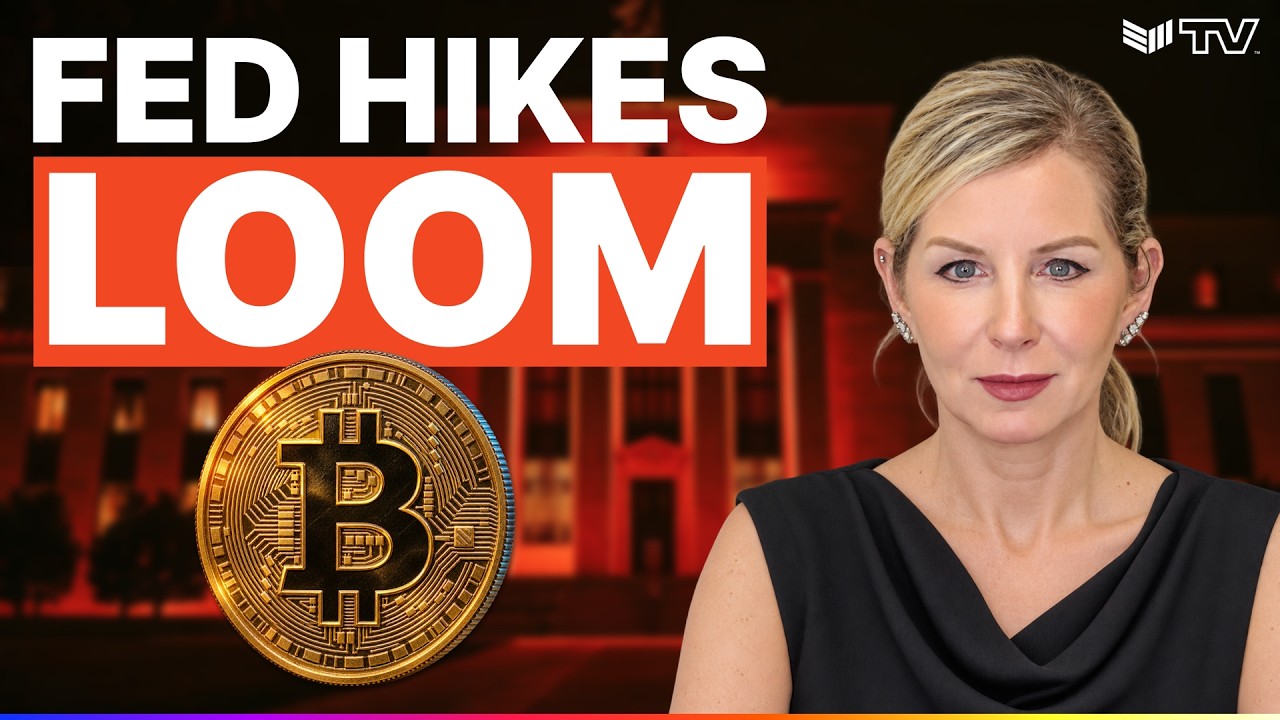
Bitcoin expert Tracy Shuchart highlights a crucial distinction for investors: while Bitcoin's long-term value proposition rests on its monetary scarcity and continued adoption, its present market behavior mirrors that of a risk asset. This short-term correlation with broader market conditions, particularly looming Federal Reserve interest rate hikes, means it's not acting as a safe ha…
Imagine Bitcoin is like a special, rare toy that everyone thinks will be super valuable one day because there are only a few of them. But right now, when grown-ups are worried about money and the cost of things, they treat this special toy just like any other fun, but risky, toy. So, if other risky toys lose value, Bitcoin might too, even though everyone still believes it'll be worth a lot in the future. It's like a temporary mood swing for the market.
Analysis
Tracy Shuchart's Analysis
Tracy Shuchart, a prominent voice in financial markets, offers a nuanced perspective on Bitcoin's current trading dynamics. She emphasizes that while the fundamental long-term argument for Bitcoin, rooted in its inherent monetary scarcity, remains robust and unchanged, its day-to-day price action is heavily influenced by prevailing macroeconomic conditions. This distinction is vital for investors to understand, as it separates the speculative short-term movements from the underlying value proposition.
Shuchart specifically points to tightening liquidity, rising bond yields, and a strengthening U.S. dollar as key factors driving Bitcoin's behavior. In this environment, Bitcoin is observed to behave much more like a 'risk asset' rather than a 'safe haven.' This means it tends to move in tandem with other speculative investments, such as technology stocks, rather than acting as a hedge against economic uncertainty or inflation, which is often a core part of its long-term narrative.
Monetary Scarcity
The long-term thesis for Bitcoin, according to Shuchart, is firmly anchored in its monetary scarcity. With a finite supply of 21 million coins, Bitcoin is designed to be a deflationary asset, contrasting sharply with fiat currencies that can be printed at will. This scarcity is considered its most compelling argument for sustained value appreciation over extended periods, attracting investors who view it as a store of value similar to digital gold.
Despite the recent price declines and its current correlation with risk assets, Shuchart notes that Bitcoin transaction volumes have remained strong. This resilience in network activity, even amidst price volatility, suggests continued underlying utility and adoption. She anticipates that this trend of increasing adoption will persist, reinforcing the long-term argument for Bitcoin's role in the global financial system, irrespective of short-term market fluctuations.
Anthropic IPO
The broader market context, particularly the performance of other high-growth sectors, also plays a role in Bitcoin's current trading environment. Shuchart highlights the impact of significant events like the Anthropic IPO, suggesting it has been 'sucking the air from the market.' This refers to the phenomenon where a highly anticipated initial public offering or a surge in a particular sector can divert investor capital and attention away from other assets, including cryptocurrencies.
Such shifts in market sentiment and capital allocation can create headwinds for assets like Bitcoin, even if their fundamental long-term outlook remains positive. The discussion around when AI stocks might 'detach from Anthropic' further underscores the interconnectedness of various market segments and how investor focus on one area can influence liquidity and price action across others. This macro-level competition for capital contributes to Bitcoin's current classification as a risk asset, sensitive to broader market dynamics.
Key points
- Tracy Shuchart states Bitcoin is currently trading like a risk asset due to tightening liquidity, rising yields, and a stronger dollar.
- Investors need to differentiate Bitcoin's short-term trading behavior from its long-term monetary scarcity thesis.
- Despite price falls, Bitcoin transaction volumes have remained strong, indicating continued adoption.
- Looming Fed interest rate hikes are a significant factor influencing Bitcoin's current market dynamics.
- The Anthropic IPO is cited as an example of broader market events that can impact liquidity and investor sentiment across assets.
Despite current market pressures, Bitcoin's fundamental long-term argument of monetary scarcity remains intact, with strong transaction activity indicating continued adoption. This suggests that once macroeconomic headwinds subside, Bitcoin could decouple from traditional risk assets and resume its upward trajectory based on its unique value proposition.
If the Federal Reserve continues with aggressive interest rate hikes and global liquidity tightens further, Bitcoin could remain correlated with traditional risk assets. This scenario would prolong its volatility and prevent it from acting as a safe haven, potentially leading to further price declines in the short to medium term.