Trump Blames America First
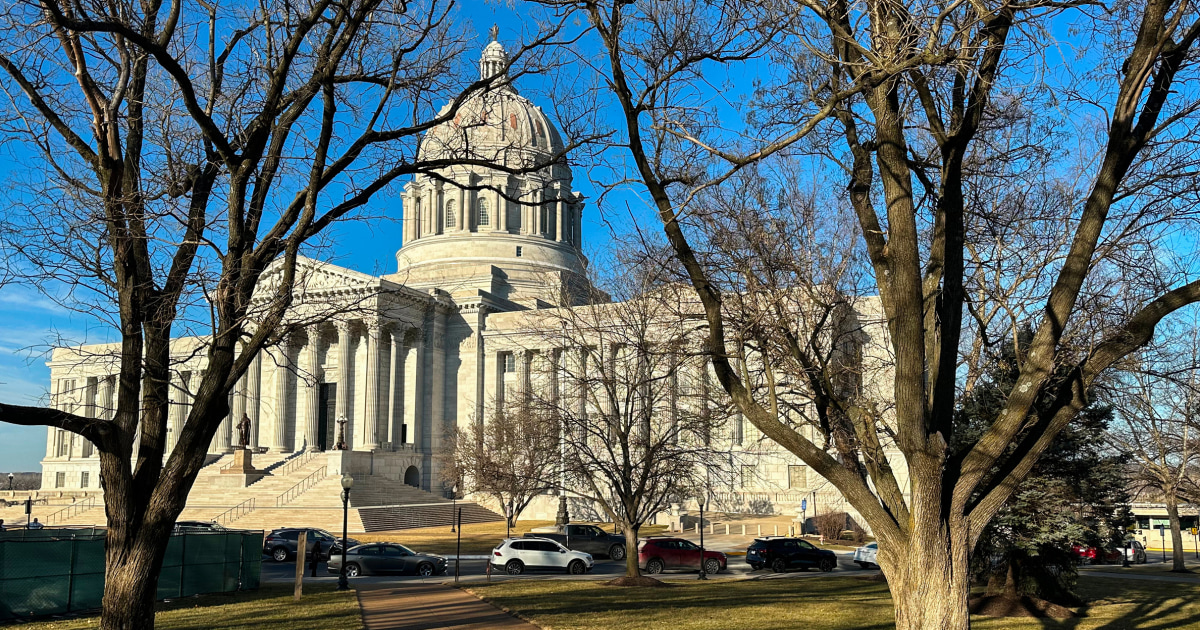
President Trump has responded to a potential cyberattack on US water-supply systems by blaming Minnesota, despite the FBI's preliminary assessment pointing to Iranian-linked hackers.
Intelligence analysis by Llama
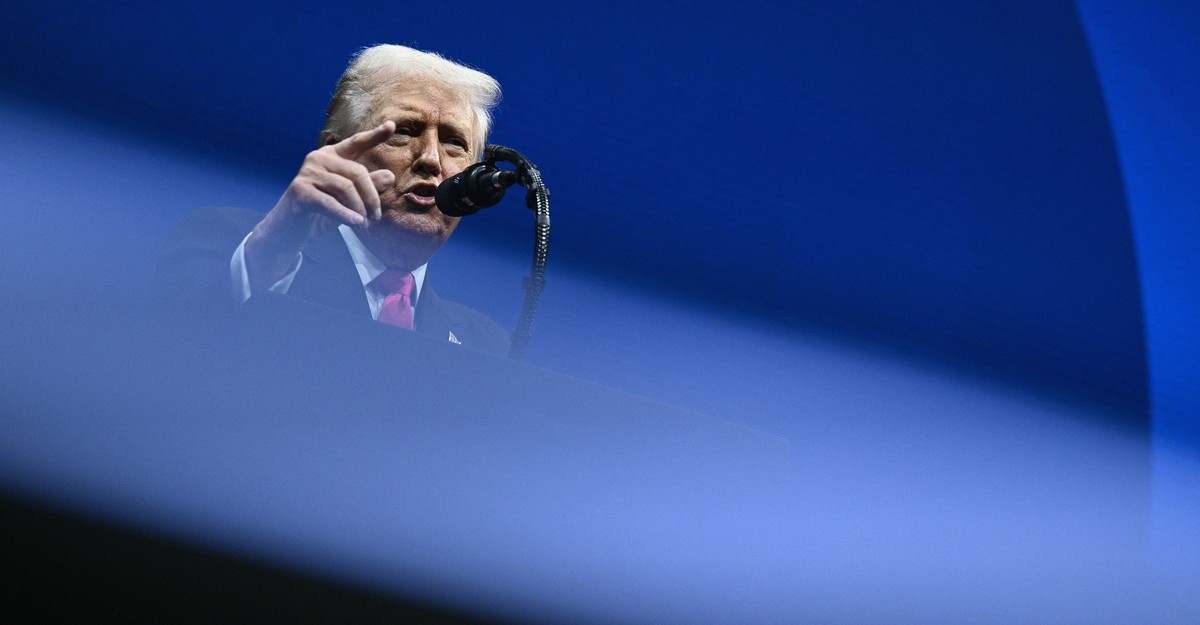
President Trump has blamed Minnesota for a potential cyberattack on US water-supply systems, despite the FBI's preliminary assessment pointing to Iranian-linked hackers. This response has been met with confusion and criticism, as it appears to contradict Trump's 'America First' doctrine.
Imagine someone tried to hack into the water supply systems of several states in the US. The FBI thinks it might have been done by people connected to Iran. But instead of saying 'we need to be careful,' President Trump said it was probably done by people from Minnesota. This is confusing and doesn't make sense, because it's like blaming the people who live in your own state for a problem that might be caused by someone else.
Analysis
A $60B Vote of Confidence
The recent cyberattack on US water-supply systems has raised concerns about the vulnerability of critical infrastructure to foreign interference. The FBI's preliminary assessment suggests that Iranian-linked hackers may be responsible for the attack, which would be a significant escalation of tensions between the US and Iran. However, President Trump's response to the attack has been peculiar, as he has sought to blame Minnesota for the incident. This response has been met with confusion and criticism, as it appears to contradict Trump's 'America First' doctrine.
The incoherence of Trump's foreign policy has been a hallmark of his presidency, and this incident is no exception. Trump has insisted that the US has won the war with Iran, despite the fact that the conflict is ongoing and has caused significant damage to the US and its allies. He has also claimed that Iran is isolated, scared, and barely functioning, despite the fact that the regime appears to be making strategic calculations about how to maximally unsettle Trump without delivering much damage to or garnering global sympathy for the US.
The fact that even Saudi Arabia, a longtime US partner in the Persian Gulf and a regional rival of Iran, is expressing discontent with Trump's policies suggests that Iran may have little to gain from engineering serious destruction on American soil. Because the Strait of Hormuz is largely under Iranian control and the American midterm elections are looming, Iran has time on its side. Yet instead of confronting the reality of this assault, Trump has decided, absurdly, to accuse Minnesota of somehow masterminding everything. 'America First' has become 'Blame America First.'
Iranian strategists may have intended to needle and mock the Trump administration. But perhaps even they were surprised that Trump would respond to an attack on American infrastructure by blaming his fellow Americans.
Key points
- President Trump has blamed Minnesota for a potential cyberattack on US water-supply systems.
- The FBI's preliminary assessment suggests that Iranian-linked hackers may be responsible for the attack.
- The incoherence of Trump's foreign policy has been a hallmark of his presidency.
- Iran may have little to gain from engineering serious destruction on American soil.
- The conflict may continue to escalate due to the fact that Iran has time on its side and the American midterm elections are looming.
If the US and Iran can find a way to negotiate a deal, it could lead to a reduction in tensions and a decrease in the risk of further cyberattacks. Additionally, the fact that even Saudi Arabia is expressing discontent with Trump's policies suggests that there may be a growing recognition of the need for a more nuanced approach to foreign policy.
The fact that Iran has time on its side and the American midterm elections are looming suggests that the conflict may continue to escalate. Additionally, the fact that Trump has responded to the attack by blaming Minnesota rather than taking responsibility for the situation suggests that he may not be taking the threat seriously enough.